
Aurora
Top Wisdom Teeth Surgeon
- IV Sedation Certified
- Board certified Specialist
- High Technology & Equipment
- Pain-free & Fast recovery Methods
- Performed more than 20,000 wisdom teeth procedures.
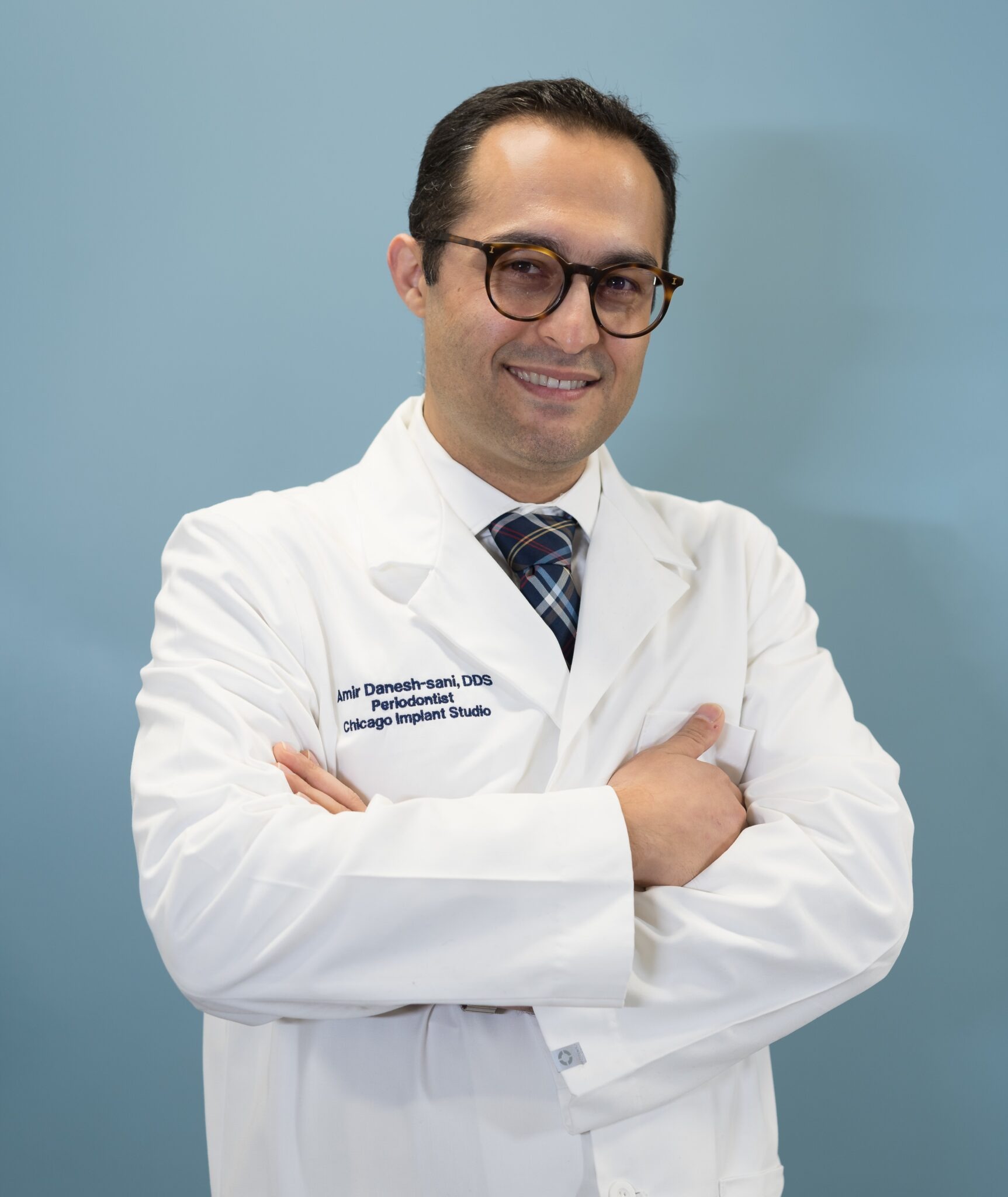
Dr. Amir Danesh
Which best describes your wisdom tooth situation right now?
Class 1 have 1 wisdom tooth
Class 2 have 2 wisdom tooth
Class 3 have 3 wisdom tooth
Class 4 have 4 wisdom tooth
Why Choose Dr. Danesh?
1– Board Certified, Chicago’s Top-Rated, Specialist.
2– We make the whole process Pain-free & non-invasive by having sedation options and using advanced 3D & digital technology.
3– Performed more than 20000 wisdom teeth procedures.
4– 1 Office, 1 Team, 1 All Inclusive Price (No Hidden Fees): We keep the entire process under one roof.
5– Published 2 books and more than 25 scentific papers in prestigious dental implant international journals.
Reserve Your Spot for Free Consultation with board certified specialist (Including 3D CT SCAN X-ray)
ALL 4 WISDOM TEETH
EXTRACTION WITH
SEDATION $90/MONTH
($0 DOWN)

The whole team is very organized. The sedation part went smoothly, and I barely remember anything and recovery was way easier than I expected.
Ahmed F
Dr. Danesh did my wisdom teeth removal painlessly and smoothly. I was worried about pain afterward, but they walked me through exactly what to expect and how to take my pain meds to manage it, which made recovery much easier. The team was professional and kind
Christopher G
I had a really positive experience with Dr. Danesh and his team at the Aurora location for my wisdom teeth removal. Everyone was welcoming and on top of things.
Frank S
What Is Wisdom Tooth Extraction?
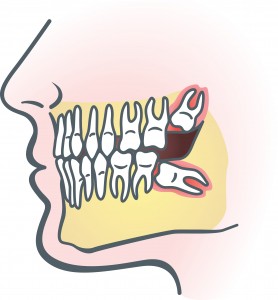
Wisdom tooth removal is a common procedure to remove one or more back molars (third molars) that are impacted, infected, painful, or likely to cause problems for the surrounding teeth and gums. The procedure is performed with effective local anesthesia and, if needed, sedation, so patients stay comfortable and have no pain during treatment. If you choose to be sedated, you don’t even remember the procedure. Most visits take about 30–60 minutes depending on how many teeth are removed and how complex they are, and you go home the same day with clear aftercare instructions. In our office, discomfort is carefully managed with prescribed strong pain medication and antibiotics to help control pain and reduce infection risk during healing.

What Are the Benefits of Wisdom Teeth Removal?
- Helps prevent future problems like infection, decay, and crowding from hard-to-clean wisdom teeth
- Relieves pain, swelling, and pressure caused by impacted or inflamed wisdom teeth
- Reduces the risk of gum inflammation and recurring flare-ups around partially erupted teeth
- Protects nearby teeth by lowering the chance of damage, cavities, or bone loss next to the wisdom tooth
- Supports a healthier, more comfortable smile by removing a common source of irritation and infection
Frequently Asked Questions
Your Aurora Oral Surgeon Dr. Danesh Answering Common Wisdom Teeth Questions.
Will I have pain during my wisdom tooth extraction, or afterward?
Is sedation safe for wisdom tooth removal?
Will I remember the wisdom tooth extraction if I’m sedated?
Most patients remember little to nothing about the procedure, especially with IV sedation. In some cases, depending on the level of sedation, how long the appointment takes, and individual safety/health factors, you may have brief or partial memories—but patients are typically very relaxed and comfortable throughout. This is a big reason sedation is a popular option for people with dental anxiety or a strong gag reflex.
What is a dry socket, and how likely is it after wisdom tooth removal?
What makes your office different from other places that remove wisdom teeth?
Solutions & Cost
- Are You A Candidate?
- Dental Implant Cost
- Dental Implant Insurance & Financing
- All on 4 Dental Implants
- Pricing
- Snap in Denture
- Same Day Teeth Implants
- Zirconia (non-metal) Implants
Learn More
- Your Dental Implant Specialist
- Before & Afters
- Frequently Asked Questions
- Blog: All you need to know
- about dental implants
Our Locations
Aurora Office
- 2460 S Eola Rd, Aurora, IL 60503
- (331) 257-7999
- [email protected]
- Find Us On Google Maps