
In This Article
Introduction:
This is David and I am a dental implant educator at Chicago I implant Studio. In this article I will answer one of the common questions I get from patients at the consultation appointment with our implant specialist about- Can I get dental implants if I am on drugs?
Dental implants have become a popular and effective solution for individuals with missing teeth, offering improved oral health and a natural-looking smile. However, for those who are on medication, it’s natural to have concerns about the compatibility of dental implants with their drug regimen. In this article, we will address the common question: “Can I get dental implants if I am on medication?” and shed light on the possibilities and considerations involved.
Understanding Dental Implants:
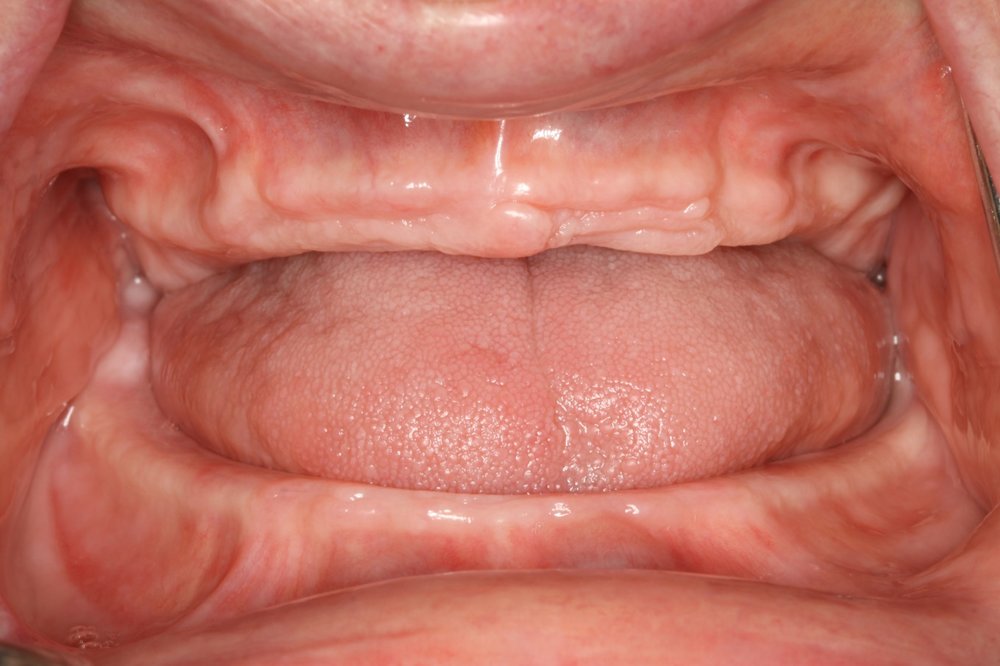
Dental implants are titanium posts surgically placed into the jawbone to act as artificial tooth roots. They provide a stable foundation for prosthetic teeth, offering durability and functionality similar to natural teeth. Implants are typically recommended for individuals with good overall health and sufficient bone density in the jaw to support the implants.
Consulting with Your Dentist:
If you are on medication and considering dental implants, the first step is to consult with your dentist or oral surgeon. They will assess your medical history, including the medications you are taking, and determine the feasibility of the implant procedure. It is essential to provide complete and accurate information about your drug regimen to ensure the dentist can make an informed decision.
Types of Medications:
The impact of medication on dental implant eligibility can vary depending on the type and purpose of the drug. Here are some common categories and their considerations:
- Blood Thinners: Anticoagulant medications are often prescribed to individuals with cardiovascular conditions or those at risk of blood clots. While these drugs can increase bleeding during surgery, dental implant procedures are still possible with careful management. Your dentist will work closely with your physician to develop a plan that minimizes risks and ensures a successful outcome.
- Bisphosphonates: Bisphosphonates are drugs commonly used to treat osteoporosis and other bone-related conditions. In some cases, long-term use of these medications can affect bone healing and integration of dental implants. Your dentist will evaluate your specific situation and may recommend alternative treatment options or adjust the timing of the implant procedure to optimize outcomes.
- Immunosuppressants: Patients on immunosuppressant medications, such as those who have undergone organ transplants or are managing autoimmune disorders, may have compromised immune systems. This can affect the healing process after dental implant surgery. Your dentist will coordinate with your healthcare team to ensure the procedure is performed under optimal conditions, with close monitoring and appropriate precautions.
- Other Medications: There are various other medications that individuals may take for different health conditions. It is crucial to disclose all your medications to your dentist so they can assess their potential impact on the implant procedure. Your dentist will consider factors such as drug interactions, side effects, and the overall stability of your health before determining the best course of action.
Conclusion:
While being on medication may introduce additional considerations, dental implants are still possible for many individuals. By consulting with your dentist and providing accurate information about your drug regimen, you can explore the possibilities and find the best approach for your specific situation. Your dentist will work closely with you and, if necessary, collaborate with other healthcare providers to ensure a safe and successful dental implant procedure.
Remember, open communication with your dental team is key. They have the expertise to assess the impact of medications on your dental implant journey and can guide you through the process, ensuring your oral health goals are achieved. Don’t let medication discourage you from exploring the benefits of dental implants—schedule a consultation with your dentist today to discuss your options.
If you are looking for state-of-the-art single and multiple tooth to full jaw All-on-4 dental implants, schedule a no-obligation free consultation with Chicago Implant Studio dental implant experts. Schedule a free consultation online today or call us at (331) 257-7999.