
Introduction:
This is David and I am a dental implant educator at Chicago I implant Studio. In this article I will answer one of the common questions I get from patients at the consultation appointment with our implant specialist about- can I get dental implants if I have allergies to metal? Patients exploring long‑term tooth replacement can learn more about permanent dental implants in Aurora and available treatment options.
Dental implants have become a popular and effective solution for replacing missing teeth and restoring oral functionality. However, if you have allergies to metal, you may be concerned about whether dental implants are a viable option for you. In this article, we will explore the possibility of getting dental implants despite metal allergies and discuss alternative options that can provide a safe and successful tooth replacement.
Understanding Dental Implants:
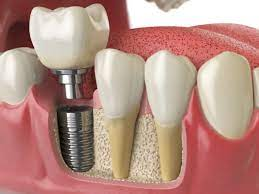
Dental implants are prosthetic tooth roots made of titanium or titanium alloy, known for their exceptional durability and biocompatibility. The implant is surgically placed into the jawbone, providing a stable foundation for attaching a replacement tooth or dental prosthesis. While titanium is generally well-tolerated by the body, metal allergies can present a challenge for some individuals.
Metal Allergies and Dental Implants:
- Identifying Metal Allergies: Before considering dental implants, it is crucial to determine if you have allergies to metal. Some common symptoms of metal allergies include skin rashes, itching, redness, swelling, or a metallic taste in the mouth. If you suspect a metal allergy, consult with an allergist or dermatologist who can conduct patch testing or other diagnostic methods to confirm the allergy.
- Titanium Allergy Concerns: While titanium allergies are rare, they can occur. If you are diagnosed with a titanium allergy, it is essential to discuss alternative options with your dentist or oral surgeon. In such cases, traditional dental implants made of titanium may not be suitable, as they can cause adverse reactions and compromise the success of the implant. For patients researching their options, If you are researching modern implant solutions, visit our guide to Oswego dental implant treatment to understand the treatment process.
Alternative Options for Metal Allergy Patients:
- Zirconia Dental Implants: Zirconia dental implants provide an excellent alternative for individuals with metal allergies. Zirconia is a ceramic material known for its biocompatibility and tooth-like appearance. These implants offer strength and aesthetic appeal, making them a viable option for those who cannot tolerate metal implants. However, it’s important to note that zirconia implants may require additional care during placement due to differences in their mechanical properties compared to titanium implants.
- Removable Dental Prosthetics: For individuals with severe metal allergies or complex dental conditions, removable dental prosthetics, such as dentures or partial dentures, can be considered. These prosthetics are typically made of acrylic or other non-metallic materials and can provide a functional and esthetic solution for replacing missing teeth. Although they are not as permanent as dental implants, they can offer a viable alternative for patients with metal allergies.
Consultation with Dental Professionals:
If you have allergies to metal and are considering dental implants, it is crucial to consult with a qualified dentist or oral surgeon. They will evaluate your specific case, discuss your concerns, and recommend the most suitable treatment options based on your individual needs and medical history. Their expertise will ensure that you receive the best possible dental care while considering your metal allergy. For those evaluating implant treatment options, To better understand procedures and recovery expectations, visit our page on Snap-In Dentures guide.
Conclusion:
Having metal allergies doesn’t necessarily mean that dental implants are entirely off the table. While traditional titanium implants may not be suitable for individuals with metal allergies, alternative options such as zirconia dental implants or removable dental prosthetics can provide safe and effective tooth replacement solutions. The key lies in consulting with dental professionals who can guide you toward the most appropriate treatment option based on your unique circumstances. With their expertise, you can still achieve a confident smile and restored oral function despite metal allergies.
Meet the Best Dental Implant Surgeon at Chicago Implant Studio
Chicago Implant Studio is a reputable dental implant clinic in Aurora, Illinois. Find out how dental implants can improve your life and overall health. We offer an international warranty on dental implants for a lifetime. Schedule a free consultation online today or call us at (331) 257-7999.
For patients who have experienced skin reactions to jewelry or irritation from certain metals, the idea of placing a metal-based implant in the body can feel concerning. This hesitation is especially common among individuals with known sensitivities who want to avoid unexpected complications. They may delay treatment or search for alternatives, unsure whether their allergy history will interfere with the success of a dental implant. In many cases, the concern is not just about safety, but also about long-term comfort and peace of mind.
From a clinical standpoint, not all metal sensitivities translate into implant-related complications, as dental implants are typically made from highly biocompatible materials designed to integrate safely with bone. However, for patients with confirmed or suspected allergies, additional diagnostic steps such as allergy testing or material sensitivity assessments may be recommended. Alternative materials like zirconia implants offer a metal-free option and are increasingly used in specific cases. Dentists also consider factors such as immune response, oral environment, and previous reactions when selecting the most suitable implant type and ensuring optimal healing conditions.
When deciding on candidacy, patients should weigh both their medical history and their comfort level with different material options. Open communication with the dental provider is essential to explore available choices and understand the risks and benefits of each approach. Individuals who prioritize a holistic or metal-free solution may opt for alternative materials, while others may proceed with traditional implants after proper evaluation. Ultimately, the decision should be guided by thorough testing, professional recommendations, and the patient’s confidence in the chosen treatment plan.