

Introduction:
This is David and I am a dental implant educator at Chicago I implant Studio. In this article I will answer one of the common questions I get from patients at the consultation appointment with our implant specialist about – Can I get dental implants if I have bone loss? Patients exploring long‑term tooth replacement can learn more about full mouth dental implants in Aurora and available treatment options.
Dental implants have revolutionized the field of restorative dentistry, providing a permanent solution for individuals with missing teeth. However, one common concern among patients is whether dental implants are feasible in cases of bone loss. In this article, we will delve into the relationship between dental implants and bone loss, exploring the possibilities and alternative options available to restore your smile and oral function.
Understanding Bone Loss and Its Impact:
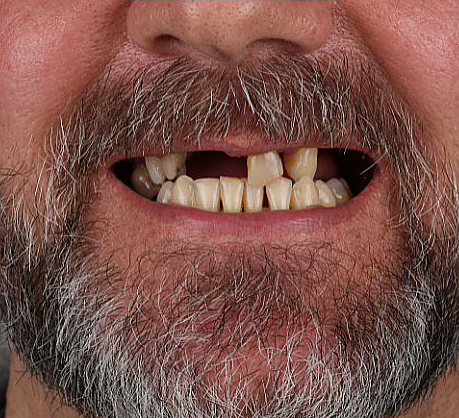
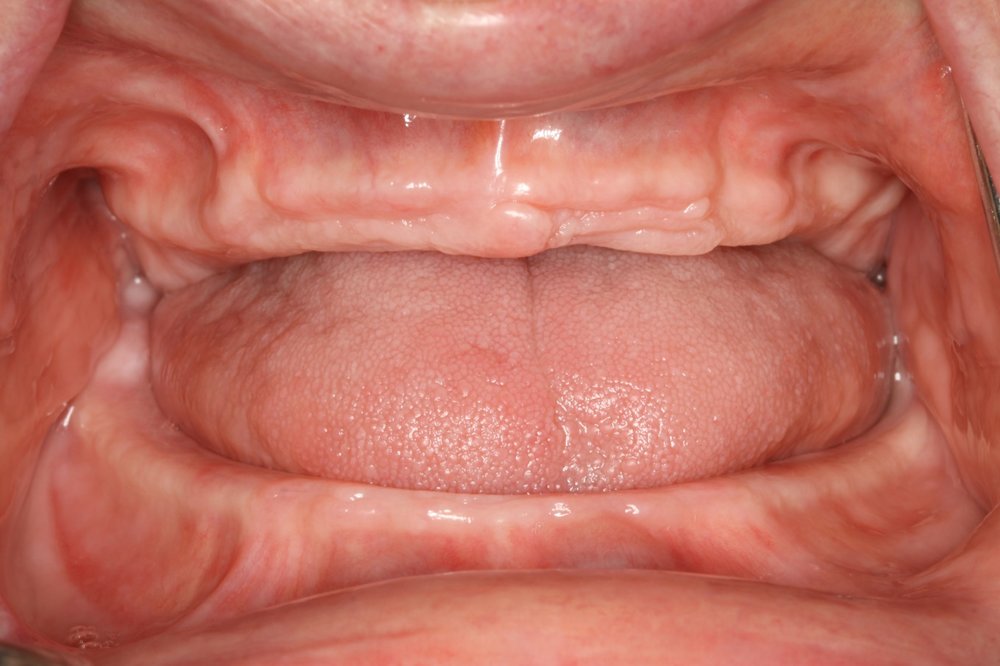
Bone loss in the jaw can occur due to various factors, including tooth extraction, gum disease, or long-term denture use. When teeth are lost or extracted, the underlying jawbone can gradually diminish in volume and density, which poses challenges for traditional implant placement. Adequate bone support is essential for successful implant integration and long-term stability.
The Role of Bone Grafting:
In cases where bone loss has occurred, a viable option to consider is bone grafting. This procedure involves adding bone material to the deficient area, stimulating new bone growth and creating a suitable foundation for dental implants bone loss. During a bone grafting procedure, bone graft material, which can be synthetic, from a donor, or from the patient’s own body, is placed in the targeted area. Over time, the grafted bone integrates with the existing bone, providing the necessary support for implant placement. For patients researching their options, Those interested in restoring missing teeth can review our information on dental implants in Oswego IL for a better understanding of treatment.
Alternative Options for Dental Implants:
- All-on-4 Dental Implants: For individuals with significant bone loss, All-on-4 dental implants offer an effective alternative. This technique utilizes strategically placed implants that maximize the available bone support. By angling the implants and taking advantage of the denser areas of the jawbone, All-on-4 implants can often eliminate the need for extensive bone grafting. This approach provides a secure foundation for a full arch of prosthetic teeth, restoring both function and aesthetics.
- Zygomatic Implants: Zygomatic implants are another viable option for individuals with severe bone loss in the upper jaw. Instead of being anchored in the jawbone, these implants are anchored in the zygomatic (cheek) bone. By utilizing this longer and more stable bone structure, zygomatic implants bypass the need for extensive bone grafting, offering a solution even in challenging cases of bone loss.
Consultation with an Implant Specialist:
If you are concerned about bone loss and its impact on dental implant placement, it is essential to consult with a qualified implant specialist. They will conduct a comprehensive examination and evaluate the condition of your jawbone through imaging techniques. Based on their assessment, they can recommend the most suitable treatment approach tailored to your specific needs. For those evaluating implant treatment options, For a deeper understanding of treatment steps and benefits, visit our guide to modern Snap-In Dentures solutions.
Conclusion:
Bone loss does not necessarily disqualify you from receiving dental implants. With advancements in implant dentistry and techniques such as bone grafting, All-on-4 implants, and zygomatic implants, viable solutions exist for individuals with compromised jawbone structure. Consulting with an experienced implant specialist is crucial in determining the most appropriate course of action for your specific situation.
Remember, each case is unique, and treatment options may vary. By seeking professional guidance and exploring alternative approaches, you can regain a confident smile and enjoy the functional benefits of dental implants bone loss, even in the presence of bone loss. Take the first step toward restoring your oral health by scheduling a consultation with an implant specialist today.
If you are looking for state-of-the-art single and multiple tooth to full jaw All-on-4 dental implants bone loss, schedule a no-obligation free consultation with Chicago Implant Studio dental implant experts. Schedule a free consultation online today or call us at (331) 257-7999.
Tooth loss that has been left untreated for months or years often leads to gradual bone shrinkage, which can make patients feel discouraged about their options. Many assume that once bone is lost, dental implants are no longer possible, especially if they have been wearing dentures or avoiding treatment for a long time. This concern is common among older adults or individuals who have experienced trauma or advanced gum disease. The uncertainty usually comes from not knowing how much bone is needed or whether their current condition can support a stable restoration.
From a clinical standpoint, bone loss does not automatically eliminate the possibility of implants, but it does change the treatment approach. Modern dentistry offers several techniques to rebuild or work around reduced bone volume, including bone grafting, sinus lifts, or the use of shorter or angled implants. The quality of the remaining bone is just as important as the quantity, as dense bone can sometimes provide sufficient support even in smaller amounts. Advanced imaging and digital planning allow clinicians to assess the structure precisely and design a solution that maximizes stability while minimizing invasive procedures.
When determining candidacy, patients should focus on their long-term goals and willingness to undergo preparatory treatments if needed. Some may prefer a staged approach that rebuilds bone gradually, while others might qualify for alternative implant methods that reduce treatment time. Consistency in oral care and follow-up visits also plays a role in maintaining the reconstructed bone and implant health. Ultimately, even with bone loss, many patients can still achieve a successful outcome by choosing a plan tailored to their specific anatomy and expectations.