
Introduction:
This is David and I am a dental implant educator at Chicago Implant Studio. In this article I will go over one of the common topics that get answered by our board certified implant specialist for the patients Debunking Common Misconceptions. If you are researching missing tooth solutions, visit our guide to dental implants in Aurora IL to understand the full process.
Understanding Dental Implants:
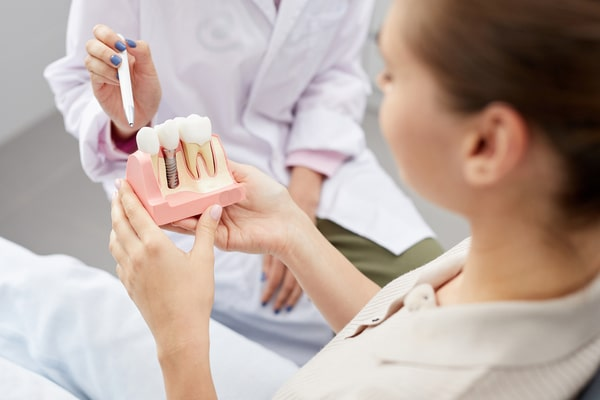
Dental implants are titanium posts surgically placed into the jawbone, acting as artificial tooth roots. They serve as a sturdy foundation for attaching prosthetic teeth, such as crowns, bridges, or dentures. Unlike natural teeth, which consist of enamel, dental implants have a different composition that renders them impervious to decay.
The Composition of Dental Implants:
The titanium material used in Can You Get Tooth Decay on an Implant? Debunking Common Misconceptions boasts exceptional durability and biocompatibility. This means that the implant integrates with the surrounding bone, creating a stable and long-lasting structure. Unlike natural teeth, which have enamel susceptible to decay, the implant’s surface is smooth and resistant to bacterial attacks. If you are comparing restorative options, Patients seeking reliable solutions for missing teeth frequently visit our page on implant treatment in Batavia IL.
The Role of Oral Hygiene:
While dental implants themselves are not prone to decay, it is essential to understand that oral hygiene practices surrounding the implant are crucial for maintaining overall oral health. The surrounding gum tissues, known as the peri-implant tissues, can be susceptible to infection and inflammation if proper oral care is neglected.
Preventing Complications:
- Regular Dental Check-ups: Regular dental check-ups are vital for the ongoing maintenance of dental implants. During these appointments, your dentist will examine the implant site, assess the health of the gums, and ensure that the implant is functioning optimally.
- Good Oral Hygiene Practices: Maintaining excellent oral hygiene is crucial for the long-term success of dental implants. Brushing at least twice a day with a soft-bristle toothbrush, flossing daily, and using antimicrobial mouthwashes can help prevent bacterial plaque buildup around the implant and reduce the risk of gum disease.
- Professional Cleanings: Professional dental cleanings are recommended at regular intervals to remove any plaque or tartar buildup that may have accumulated around the implant. This thorough cleaning ensures the implant site remains free from harmful bacteria.
- Awareness of Potential Issues: While decay does not occur on dental implants themselves, it is still important to be vigilant about potential issues that may arise. Peri-implantitis, a condition characterized by inflammation and infection of the peri-implant tissues, can occur if oral hygiene is neglected. Promptly addressing any signs of redness, swelling, or discomfort around the implant is crucial to prevent complications. When considering long‑term tooth replacement, If you want to understand implant procedures and candidacy, review our information on Same Day Teeth Implants for missing teeth.
Conclusion:
Contrary to natural teeth, dental implants do not experience Can You Get Tooth Decay on an Implant? Debunking Common Misconceptions due to their unique composition and material. However, maintaining proper oral hygiene and regular dental visits are essential for the long-term success of implants. By following good oral care practices and promptly addressing any concerns, you can enjoy the benefits of dental implants for years to come. If you have further questions or concerns about dental implant care, consult with your implant dentist, who can provide personalized guidance and ensure the health and longevity of your implant-supported smile.
Meet the Best Dental Implant Surgeon at Chicago Implant Studio
Chicago Implant Studio is a reputable dental implant clinic in Aurora, Illinois. Find out how dental implants can improve your life and overall health. We offer an international warranty on dental implants for a lifetime. Schedule a free consultation online today or call us at (331) 257-7999.
After receiving a dental implant, many patients assume they are completely free from the risk of dental problems that affect natural teeth. This belief often leads to a more relaxed approach toward daily oral care, especially since implants are made from materials that cannot decay. However, confusion arises when patients begin to notice gum irritation, bleeding, or discomfort around the implant area, leaving them unsure whether something similar to tooth decay is happening.
Clinically, while an implant itself cannot develop cavities, the surrounding tissues remain vulnerable to bacterial buildup. Plaque accumulation can lead to conditions such as peri-implant mucositis or peri-implantitis, which affect the gums and supporting bone. These issues can progress silently if not addressed early, potentially compromising the stability of the implant. Factors like poor oral hygiene, smoking, or uncontrolled systemic conditions can increase the likelihood of these complications. Regular professional cleanings and proper at-home care are essential to maintain a healthy environment around the implant.
When it comes to long-term success, patient awareness plays a critical role. Understanding that implants require the same—if not greater—attention as natural teeth helps individuals make better daily habits and follow-up decisions. Candidates for implants should be prepared to commit to consistent oral hygiene routines and routine dental visits. By recognizing the difference between decay and implant-related complications, patients can take proactive steps to protect their investment and ensure lasting function and comfort.