
Introduction:
This is David and I am a dental implant educator at Chicago Implant Studio. I noticed that our dental implant patients are always curious about and want to know more about “Dental implant bone grafting consultation”. For a deeper explanation of the implant procedure and restoration options, visit our guide to permanent dental implants in Aurora.
Why Bone Grafting Matters:
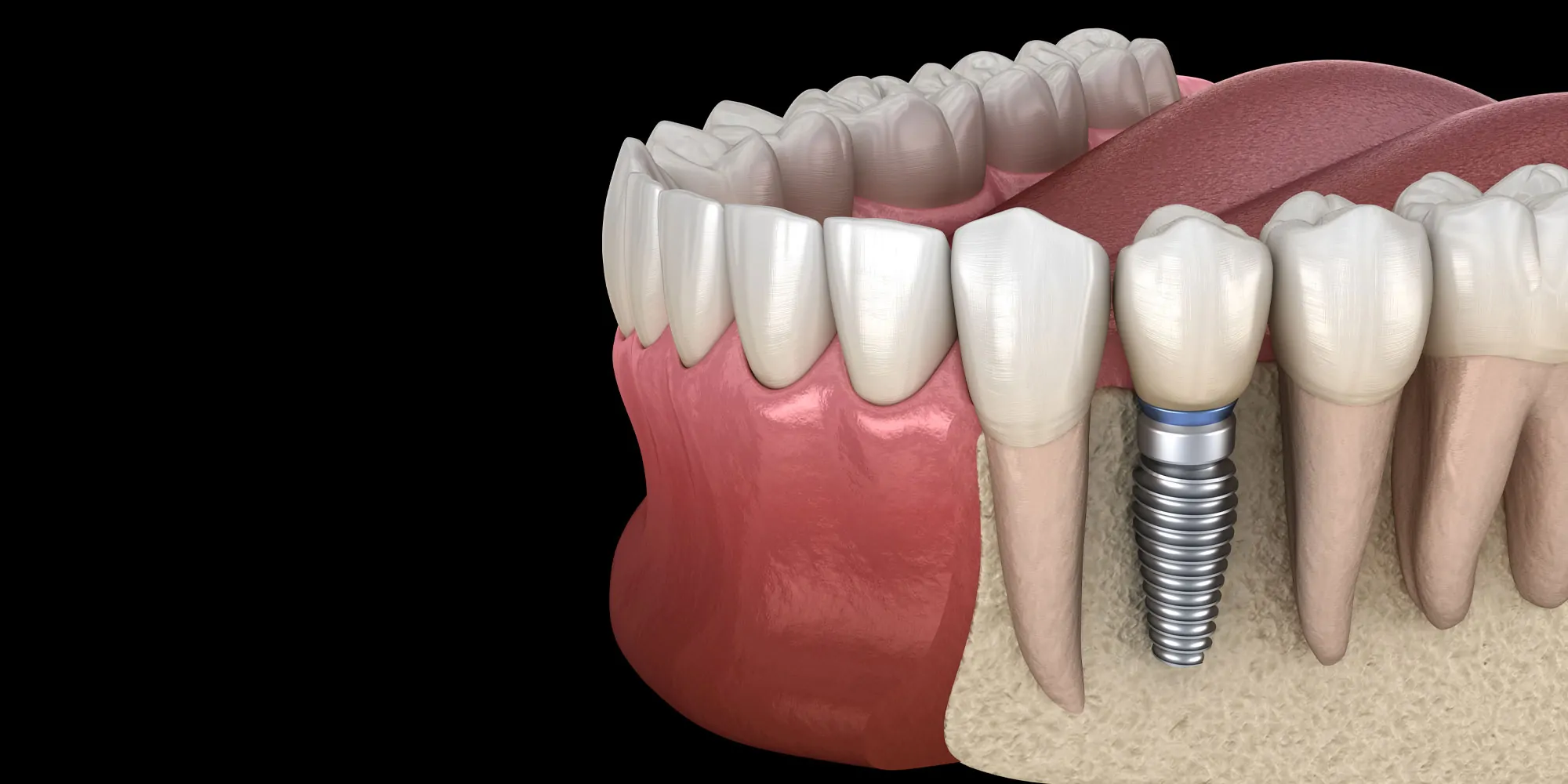
Bone grafting is a procedure that enhances the jawbone’s structure, making it more suitable for dental implant placement. During this process, a qualified oral surgeon or periodontist carefully adds bone material to deficient areas of the jaw, stimulating new bone growth and creating a solid foundation for implant stability. This procedure ensures that your dental implants have the necessary support to withstand daily chewing forces and promote long-term success.
- For patients researching their options, If you want to learn more about candidacy, recovery, and outcomes, see our guide to implant treatment in Yorkville IL.
The Dental Implant Bone Grafting Consultation Process:
- Initial Assessment: During your dental implant bone grafting consultation, the dental professional will evaluate your oral health and assess the condition of your jawbone. They will review your medical history, perform a comprehensive examination, and potentially utilize advanced imaging techniques such as X-rays or CT scans to analyze your bone density and structure.
- Treatment Planning: Based on the assessment results, the dental specialist will develop a customized treatment plan tailored to your specific needs. They will explain the bone grafting procedure, its benefits, and discuss any alternative options, if applicable. This is also an opportunity for you to ask questions and address any concerns you may have.
- Pre-Procedure Preparations: If you decide to proceed with bone grafting, the dental team will guide you through the necessary preparations before the surgery. This may include fasting requirements, medication adjustments, and pre-operative instructions to ensure optimal results and minimize any potential risks.
- Bone Grafting Procedure: The bone grafting procedure itself involves the careful placement of bone graft material in the targeted areas of your jawbone. The material can be obtained from your own body (autogenous graft), a donor source (allograft), or synthetic materials (alloplastic grafts). Your dental professional will determine the most appropriate option based on your specific case.
- Post-Operative Care and Recovery: After the bone grafting procedure, you will receive instructions on post-operative care. This may include guidelines for pain management, oral hygiene, dietary restrictions, and follow-up appointments. It’s crucial to follow these instructions diligently to facilitate proper healing and prepare for the subsequent dental implant placement. For those evaluating implant treatment options, If you want to understand implant procedures and candidacy, review our information on All-on-4 Dental Implants guide.
Conclusion:
A dental implant bone grafting consultation is a vital step toward achieving a successful dental implant outcome. Through this consultation, your dental professional will assess your jawbone’s condition, discuss treatment options, and create a personalized plan to ensure a solid foundation for your dental implants. By addressing bone deficiencies, bone grafting promotes long-term implant stability and enhances the aesthetic and functional aspects of your smile.
If you’re considering dental implants and have concerns about your jawbone, don’t hesitate to schedule a dental implant bone grafting consultation with a qualified oral surgeon or periodontist. Take the first step towards restoring your smile and enjoying the benefits of a confident, healthy, and functional set of teeth.
Remember, consult with a dental professional to determine the best course of action for your specific situation.
For patients exploring dental implants, the consultation for bone grafting often becomes the moment where uncertainty turns into clarity. Many arrive unsure whether they even need a graft, especially if they have been living with missing teeth without obvious issues. Others may feel anxious about being told they require additional procedures, particularly if they are concerned about cost, time, or discomfort. This initial visit is not just about diagnosis—it’s also about helping patients understand the “why” behind the recommended approach.
Clinically, the consultation process is designed to gather detailed insights that go beyond what a standard dental exam can reveal. Advanced imaging allows the provider to evaluate bone structure in three dimensions, identifying areas that may not support implants without reinforcement. It’s also an opportunity to assess risk factors such as bone resorption patterns, bite forces, and any underlying conditions that could influence healing. Based on these findings, a customized plan is developed that outlines whether grafting is needed, what technique may be used, and how it integrates into the overall implant timeline.
When it comes to making a decision, patients should view the consultation as a planning session rather than a commitment to immediate treatment. This is the time to weigh options, understand alternatives, and consider how different approaches align with personal priorities. Some patients may choose to proceed with grafting to ensure optimal long-term results, while others may explore less invasive solutions depending on their case. A thorough and transparent consultation helps define candidacy clearly, allowing patients to move forward with confidence and realistic expectations.
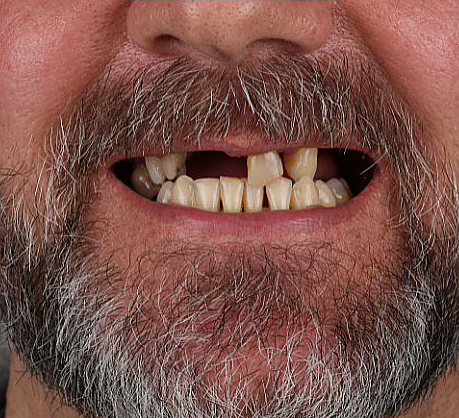
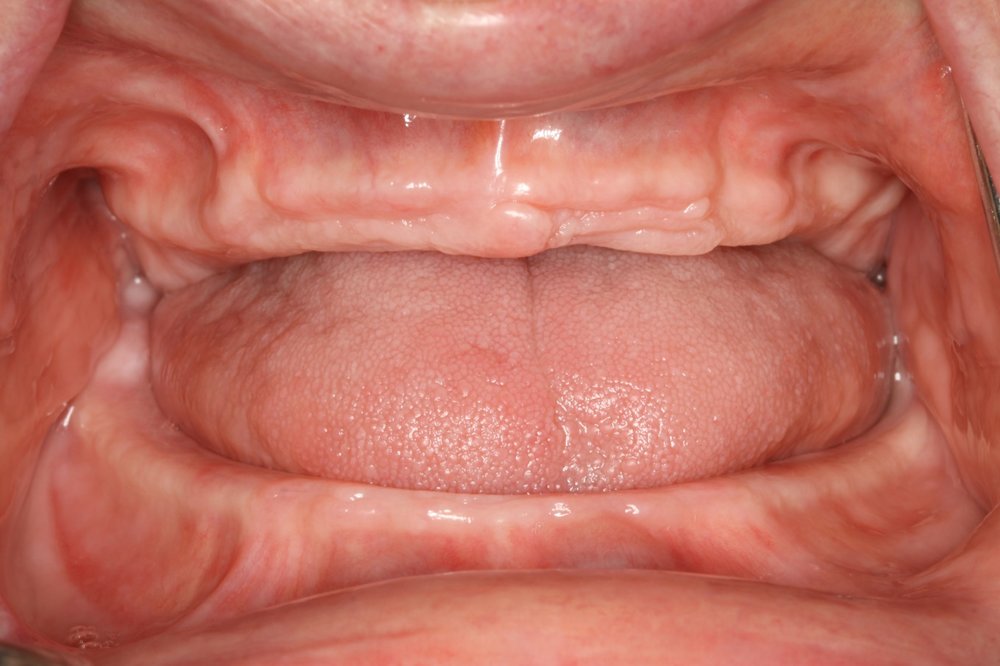
Many patients considering dental implants discover they may not have enough jawbone to properly support them. This situation often arises after tooth loss, long-term denture use, or untreated gum issues, which can gradually weaken the bone structure. As a result, individuals may feel discouraged, thinking implants are no longer an option. However, modern dentistry offers solutions that can rebuild this foundation, allowing patients to move forward with confidence and restore both function and appearance.
Bone grafting plays a critical role in preparing the jaw for successful implant placement. The procedure involves adding specialized grafting material to areas where bone density is insufficient, encouraging natural regeneration over time. What many patients don’t realize is that bone grafting is not a one-size-fits-all treatment—different techniques and materials are selected based on the severity of bone loss and overall oral health. Additionally, healing timelines can vary, and careful planning ensures that the graft integrates properly before moving to the implant phase, improving long-term stability and success rates.
When deciding whether bone grafting is the right step, several factors come into play, including overall health, lifestyle habits, and the condition of surrounding teeth and gums. A thorough consultation helps determine candidacy and sets realistic expectations about the treatment journey. Patients who are committed to maintaining good oral hygiene and following professional guidance often achieve excellent outcomes. Understanding the process in advance empowers individuals to make informed decisions and view bone grafting not as an obstacle, but as a valuable step toward achieving a strong, lasting dental implant result.