Introduction:
This is David and I am a dental implant educator at Chicago Implant Studio. I noticed that our dental implant patients are always curious about and want to know more about “Dental implant bone grafting healing process”. You can learn about candidacy, treatment planning, and recovery by visiting our page on tooth implants in Aurora IL.
Section 1: What is Dental Implant Bone Grafting?
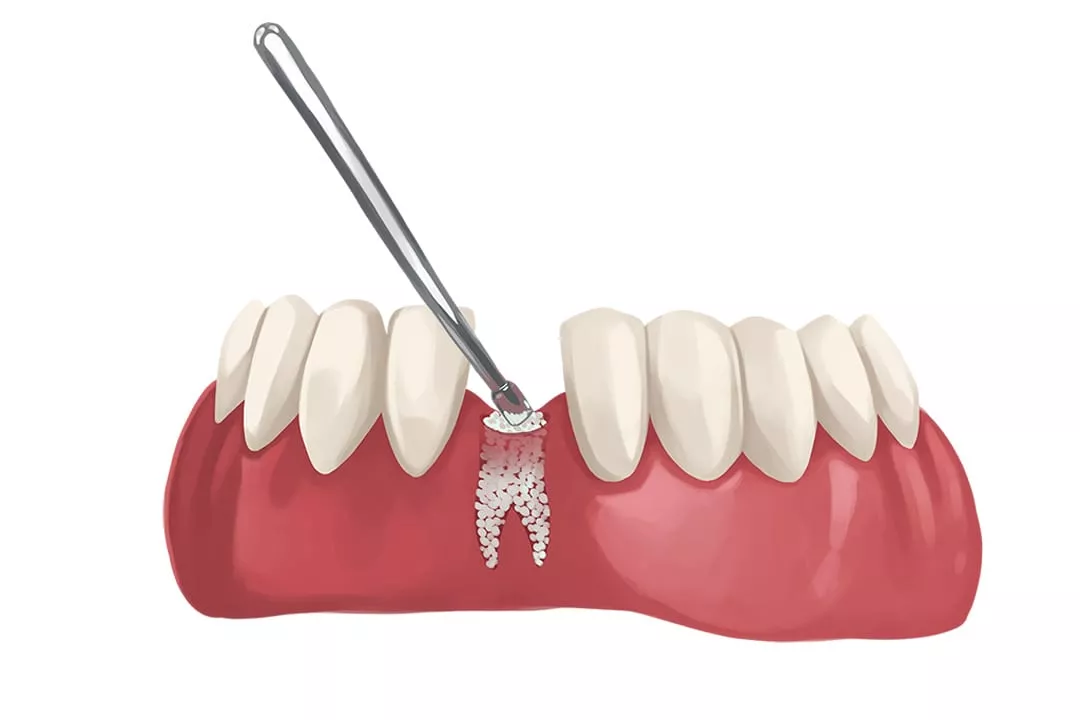
Dental implant bone grafting healing process is a procedure performed to augment or regenerate bone in the jaw, creating a suitable environment for dental implant placement. This technique is commonly used when a patient lacks sufficient bone density or volume in the jawbone.
Section 2: The Healing Process Explained
2.1 Initial Healing Phase: After the dental implant bone graft surgery, the initial healing phase begins. During this period, which typically lasts around two weeks, it is crucial to follow your dentist’s post-operative instructions diligently. Expect some swelling, bruising, and discomfort, which can be managed with prescribed pain medication and ice packs.
2.2 Osseointegration: The next phase is osseointegration, where the grafted bone fuses with the existing jawbone, providing a solid foundation for the dental implant. This process takes several months, during which the bone gradually regenerates and integrates with the grafting material. It is vital to maintain good oral hygiene and attend regular check-ups to monitor the healing progress.
2.3 Final Healing and Restoration: Once osseointegration is complete, the final healing phase begins. At this stage, the dental implant is placed into the regenerated bone. Following the implant placement, the surrounding tissues need time to heal and adapt. Over the next few months, the implant becomes fully integrated with the bone, allowing for a stable and functional restoration. For patients researching their options, If you are researching modern implant solutions, visit our guide to dental implant solutions in Yorkville to understand the treatment process.
Section 3: Tips for Promoting Dental implant bone grafting healing process Healing
3.1 Oral Hygiene: Maintaining excellent oral hygiene is crucial throughout the healing process. Follow your dentist’s recommendations for brushing, flossing, and using any prescribed antimicrobial mouthwash. Proper oral care helps prevent infection and ensures a healthy healing environment.
3.2 Balanced Diet: Adopt a balanced diet rich in essential nutrients like vitamins A, C, and D, as well as protein and minerals. These nutrients play a vital role in promoting bone regeneration and overall healing. Your dentist may suggest specific dietary modifications tailored to your needs.
3.3 Avoid Tobacco and Alcohol: Smoking and excessive alcohol consumption can hinder the healing process and increase the risk of complications. It is highly recommended to abstain from these habits during the bone grafting healing period.
3.4 Follow-Up Appointments: Regularly scheduled follow-up appointments with your dentist are crucial. These visits allow your dentist to monitor your progress, address any concerns, and make any necessary adjustments to ensure optimal healing and successful dental implant placement.
Conclusion:
Understanding the dental implant bone grafting healing process is vital for patients embarking on their dental implant journey. The initial healing phase, osseointegration, and final healing stages collectively contribute to the long-term success of dental implant placement. By following proper oral hygiene practices, adopting a balanced diet, and attending regular check-ups, patients can maximize their chances of a smooth and successful recovery. If you are learning about modern dental solutions, Patients researching treatment options often review benefits of All-on-4 Dental Implants to better understand how implant procedures work.
Remember, each patient’s healing process may vary slightly, so it is crucial to consult with your dentist who will provide personalized guidance and support throughout your dental implant journey. With proper care and patience, you’ll be on your way to a confident smile and restored dental function.
Meet the Best Dental Implant Surgeon at Chicago Implant Studio
Chicago Implant Studio is a reputable dental implant clinic in Aurora, Illinois. Find out how dental implants can improve your life and overall health. We offer an international warranty on dental implants for a lifetime. Schedule a free consultation online today or call us at (331) 257-7999.
For many patients, the healing phase after a bone graft can feel like the most uncertain part of the dental implant journey. Once the procedure is complete, there’s often a waiting period where progress isn’t immediately visible, leading some to question whether everything is healing as expected. This is particularly common among individuals who are eager to move forward with implants and are unsure how their body is responding beneath the surface.
Clinically, the healing process after bone grafting is a gradual and highly coordinated biological response. The body begins by stabilizing the graft material, followed by the formation of new blood vessels that supply essential nutrients to the area. Over time, this allows new bone cells to develop and replace or integrate with the graft. The speed and quality of this process can vary depending on factors such as the type of graft used, the patient’s overall health, and how well post-operative care instructions are followed. Controlled healing conditions are essential to ensure that the graft remains undisturbed during this critical phase.
When evaluating readiness for the next step, patients should understand that successful healing is not just about time, but also about quality. Regular follow-ups help assess whether the bone has reached the necessary density to support an implant. Some individuals may heal faster, while others require additional time to achieve optimal results. By staying consistent with aftercare and maintaining realistic expectations, patients can make well-informed decisions about when to proceed, ensuring a stronger and more reliable outcome for their implant treatment.