
Introduction:
This is David and I am a dental implant educator at Chicago Implant Studio. I noticed that our dental implant patients are always curious about and want to know more about “Dental implant bone grafting timeline”. Individuals looking for permanent tooth replacement often explore our page about permanent dental implants in Aurora.
Initial Consultation and Assessment:
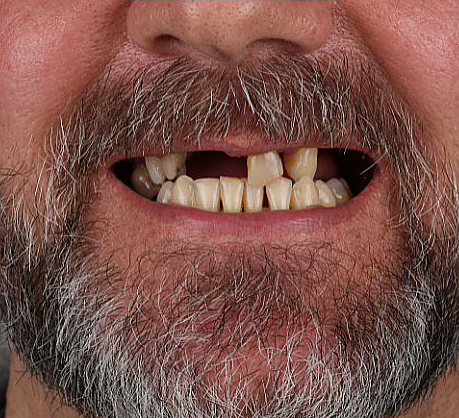
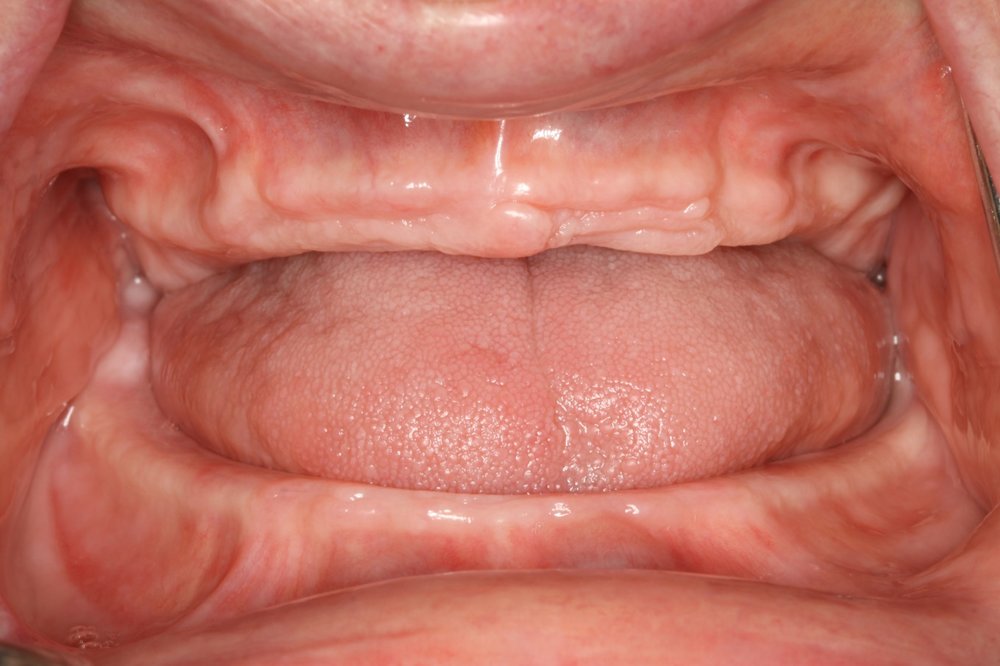
The Dental implant bone grafting timeline journey begins with an initial consultation with your oral surgeon or implant dentist. During this visit, your oral health and the condition of your jawbone will be evaluated. X-rays, scans, and possibly a cone-beam computed tomography (CBCT) scan will be performed to assess bone volume, density, and quality. This evaluation will determine whether bone grafting is necessary before proceeding with dental implant placement.
Preparatory Phase:
If a Dental implant bone grafting timeline is required, the next step is the preparatory phase. Your dental professional will create a customized treatment plan tailored to your specific needs. This plan will outline the type of bone grafting procedure recommended, such as autografts, allografts, xenografts, or synthetic bone graft materials. When considering long-term tooth replacement, Those interested in restoring missing teeth can review our information on permanent dental implants in Yorkville for a better understanding of treatment.
Bone Grafting Procedure:
The bone grafting procedure typically takes place before the dental implant placement. It involves the following steps:
- Anesthesia: Local or general anesthesia will be administered to ensure your comfort throughout the procedure.
- Incision and Exposure: Your oral surgeon will make a small incision in the gum tissue to access the jawbone.
- Graft Placement: The bone graft material will be carefully positioned and secured in the deficient area of the jawbone. This graft serves as a scaffold for new bone growth.
- Tissue Closure: The incision will be sutured, and the area will be protected with gauze or a dressing.
Healing and Osseointegration:
After the Dental implant bone grafting timeline procedure, the healing process begins. It typically takes several months for the graft to integrate with the existing bone and create a stable foundation for dental implant placement. During this time, it is important to maintain good oral hygiene practices and follow your dentist’s post-operative instructions. When comparing dental implant procedures, For a deeper understanding of treatment steps and benefits, visit our guide to learn about All-on-4 Dental Implants.
Dental Implant Placement:
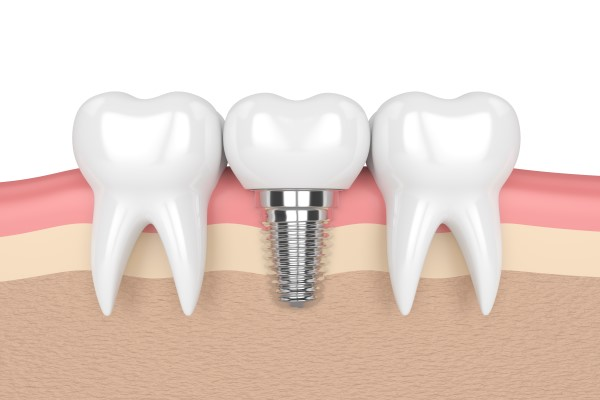
Once the graft has successfully integrated, the dental implant placement can take place. This involves surgically implanting a titanium post into the jawbone, which will serve as the artificial root for the replacement tooth or teeth.
Restoration and Finalization:
After a period of healing, during which the implant fuses with the bone (osseointegration), the final restoration phase begins. Your dentist will attach an abutment to the implant, which acts as a connector between the implant and the prosthetic tooth or crown. Finally, a custom-made dental crown will be placed, restoring the function and aesthetics of your smile.
Conclusion:
Understanding the timeline of dental implant bone grafting is essential for individuals considering dental implants. The process involves careful evaluation, bone grafting, healing, and ultimately, dental implant placement. Although the timeline may vary depending on individual factors, the end result is a strong and durable foundation for your dental implants, providing you with a natural-looking smile and improved oral function.
If you’re considering dental implant bone grafting, consult with a qualified oral surgeon or implant dentist who can guide you through each step of the process and ensure a successful outcome. Remember, a healthy and well-prepared jawbone is vital for the long-term success of your dental implants.
Meet the Best Dental Implant Surgeon at Chicago Implant Studio
Chicago Implant Studio is a reputable dental implant clinic in Aurora, Illinois. Find out how dental implants can improve your life and overall health. We offer an international warranty on dental implants for a lifetime. Schedule a free consultation online today or call us at (331) 257-7999.
After learning that dental implants cannot be placed immediately, many patients become focused on understanding how long the bone grafting timeline will actually take. This waiting period can feel frustrating, especially for individuals who are eager to restore missing teeth and return to normal chewing and appearance. People often enter treatment expecting a quick solution, but the reality of staged healing introduces a more structured, longer-term process that requires patience and planning around daily life.
From a clinical perspective, the bone grafting timeline is influenced by how the body rebuilds and remodels bone tissue over time. Initial stabilization happens relatively quickly, but true integration of the graft material occurs in phases as new bone gradually replaces or fuses with the scaffold. This biological process cannot be rushed because bone maturity determines implant stability. Imaging and periodic assessments are typically used to monitor density changes and ensure that the grafted area is progressing as expected before moving to the implant stage.
When considering the overall timeline, patients should focus on whether their situation requires a shorter or extended healing period rather than expecting a fixed duration for everyone. Factors such as the size of the graft, location in the jaw, and individual healing capacity all influence timing. Some patients may be eligible for implant placement sooner, while others benefit from a longer consolidation phase to strengthen outcomes. Understanding this variability helps patients set realistic expectations and make informed choices about when to proceed, ensuring that the final implant has the best possible foundation for long-term success.