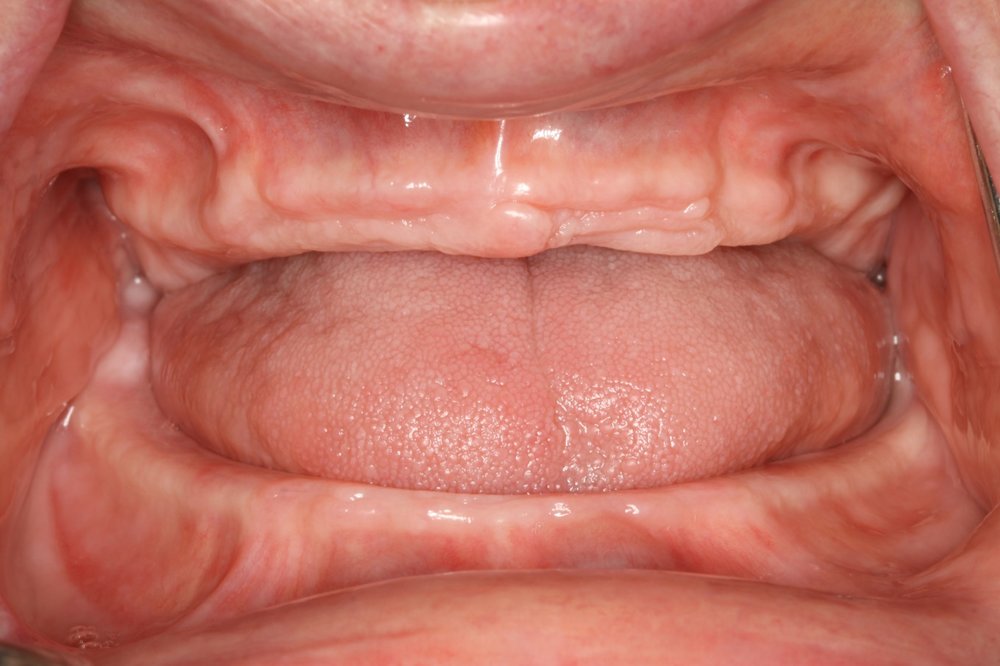

Next Step
Let's schedule your complimentary consultation

In This Article
Are you a resident of Illinois, IL, and considering dental implants to restore your smile and improve your dental health? At Chicago Implant Studio, we focus entirely on providing high-quality dental implant procedures, ensuring every patient receives the best care possible. Our office, led by board-certified specialists, is at the forefront of dental medicine, offering advanced solutions like implant-supported restorations, zygomatic dental implants, and comprehensive implant processes that include everything from tooth extraction to the final implant restoration.
Whether you’re dealing with bone loss or gum disease or need a complete set of new teeth, our team is dedicated to ensuring the implant is placed precisely, integrating seamlessly with your jawbone to function like natural teeth. As members of the American Dental Association and the American Board of Oral and Maxillofacial Surgery, our commitment to excellence is backed by rigorous training and advanced education in general dentistry.
Choosing the right dental implant dentist is crucial. At Chicago Implant Studio, we pride ourselves on being one of the few dental centers near Illinois, IL, specializing exclusively in dental implants. Our restorative procedures are designed to address multiple missing teeth or single implants with the utmost care, ensuring that the entire procedure is as comfortable as possible, including options for sedation and management of periodontal concerns.
Dental Implants Are the Best Tooth Replacement Option
Dental implants have revolutionized dentistry, offering a permanent solution for missing teeth. For residents of Illinois, IL, this means access to a modern treatment that can restore not only your teeth but also your quality of life. Let’s start by understanding dental implants and why they have become so popular.
What is a Dental Implant?
A dental implant is a titanium post surgically placed into the jawbone beneath the gum line. This post is a substitute for a tooth root, providing a strong foundation for a replacement tooth or bridge. Unlike dentures, dental implants are permanent and function just like natural teeth.
With osseointegration, the implant becomes a permanent part of your jaw, providing a stable foundation for dental crowns that function like natural teeth. We understand that dental implants are a significant investment in your oral health, so we encourage you to call today to learn more about how dental implants can be the ideal solution for restoring your smile with permanent teeth. We look forward to meeting you and helping you achieve the smile you deserve!
Different Parts of a Dental Implant
Dental implants typically consist of three parts:
- Implant: A screw-like post that acts as a root.
- Abutment: A connector is placed on top of the implant to hold and support the crown.
- Crown: The visible part of the tooth made to match your natural teeth.
- Figure 1. Dental Implant Parts (Dental Implant vs Natural Tooth)

Why Choose Dental Implants?
Dental implants are popular because they offer a durable, natural-looking solution for missing teeth. They help preserve jawbone structure, prevent remaining teeth from shifting, and improve oral health.
Choosing Top Dental Implant Specialist in Illinois IL
Selecting the right provider is crucial for successful dental implant treatment. There are numerous general dentists in Illinois IL, but finding one who specializes in implant dentistry and a board-certified specialist ensures you receive the best care. Dr. Danesh, our dental implant specialist near Illinois, IL, is a board-certified periodontist and implant surgeon with advanced training in minimally invasive surgical methods and implant dentistry. He has contributed to the publication of 2 books and published more than 20 scientific papers in prestigious oral surgery and implant dentistry journals. To learn more about Dr. Danesh, Click here.

What to Look For in an Implant Dentist
When searching for an implant dentist in Illinois, consider the following:
- Experience and Qualifications: A board-certified and experienced dental implant specialist with specialized training in implant dentistry. A few days of continuing education courses won’t qualify a dentist to be a qualified implant specialist. Make sure to search for an implant specialist near Illinois, IL (board-certified specialist preferably).
- Technology and Techniques: A provider who uses the latest technology. You can see our state of art dental implant office and advanced devices here.
- Patient Reviews and Testimonials: Feedback from previous patients. Chicago Implant Studio has changed the lives of thousands of patients thanks to this affordable, life-changing procedure. Mona came to us wanting to replace her severely compromised teeth with fixed full-mouth dental implants. Watch her story in this short video below. You can also find more before-and-after dental implant results in patients and their testimonials here.
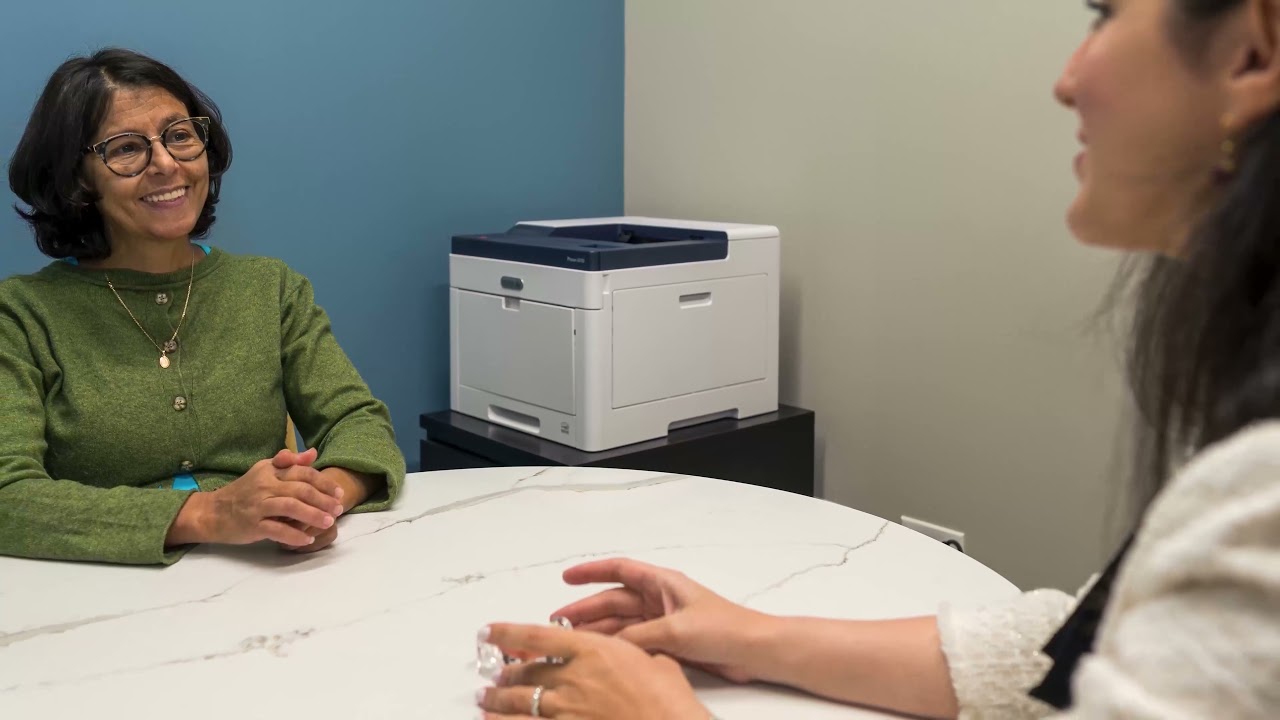
Mona’s Story- Full Mouth Dental Implants patient
Personalize Quality Care
Look for an implant dentist who prioritizes patient comfort and provides comprehensive consultations. Personalized treatment plans tailored to your specific needs are essential for successful outcomes. It is important to make an informed decision when choosing your dental implant clinic, as it may greatly impact your quality of care and overall experience.
At Chicago Implant Studio, we don’t adhere to one or a limited treatment philosophy. We present you with all the available dental implant options and help you make an informed decision about your dental implant procedure.

Figure 2. At Chicago Implant Studio, we prioritize patient comfort and provide personalized dental implant care
Dental Implants Cost Illinois IL
While it’s not easy to provide an exact figure for the dental implant cost with no x-rays and without visiting the patient clinically, in our dental implant clinic near Illinois, IL, this payment can be done with affordable monthly payment plans as listed below:
Single Tooth Dental Implant Cost $95/Month (0% Finance / $0 Down)
Full Mouth Dental Implant Cost $395/month (0% Finance / $0 Down)
We Accept All Medical & Dental insurance (except Medicaid)
Getting a Quote
You can always schedule a free consultation online or call us at (331) 257-7999 to find out more about teeth replacement with dental implants and how much exactly dental implants cost in your case.
Factors Influencing Implant Cost in Illinois, IL
The cost of dental implants in Illinois, IL, can vary significantly based on several factors. One major consideration is the complexity of the implant procedure itself. For instance, the total cost may increase if you require bone grafting or sinus lifts due to insufficient bone density or volume as these procedures add to the overall treatment time and materials needed. Similarly, the number of implants needed will directly impact the final price; multiple implants or extensive restoration work will naturally raise costs.
Another important aspect influencing the cost is the type of materials used for the implant. Titanium is the most common material for dental implants as it is exceptionally durable and biocompatible. However, ceramic implants are gaining popularity for patients seeking a metal-free option. While ceramic implants may be aesthetically preferable for some, they can come at a higher cost than traditional titanium implants.
In addition to these factors, the experience and reputation of the dental implant specialist can also play a role in determining the cost. Highly skilled board-certified specialists with a track record of successful procedures and advanced training may charge higher fees due to their expertise but can provide patients with a higher level of care and better outcomes.
Insurance coverage can also affect your out-of-pocket expenses. While many dental insurance plans offer some coverage for dental implants, it varies widely among providers. It’s essential to check with your insurance company to understand your benefits and determine what portion of the cost will be covered.
When choosing an implant dentist, it’s essential to weigh these factors against the potential benefits of receiving treatment from a highly qualified expert. This ensures that the chosen provider aligns with your budget and meets your quality care expectations.
Benefits of Dental Implants
Dental implants offer several advantages over traditional tooth replacement options, making them a preferred choice for many patients in Illinois.
Improved Appearance
Dental implants look and feel like your own teeth. Because they are designed to fuse with bone, they become permanent and provide a natural appearance.
Enhanced Comfort
Since implants are integrated into the jawbone, they eliminate the discomfort and inconvenience of removable dentures and function just like natural teeth.
Better Oral Health
Dental implants do not require reducing other teeth, as a tooth-supported bridge does. This means more of your teeth are left intact, improving long-term oral health.
Comparing Dental Implants to Other Solutions
When it comes to replacing missing teeth, you have several options. Here’s how dental implants compare to other solutions.
Implants vs. Dentures
Unlike dentures, dental implants are permanent and do not require removal. They offer better stability and function, making them feel like natural teeth.
Implants vs. Bridges
Dental bridges require altering and shaving adjacent teeth, whereas implants do not. Implants also provide better long-term results and help preserve jawbone health.
Making the Right Choice
Choosing the right solution depends on your specific needs and circumstances. Consult with your dentist to determine the best option for you.
The Dental Implant Procedure
Understanding the dental implant procedure can help alleviate any concerns you might have. Here’s a step-by-step guide to what to expect.
Initial Consultation
Your first step involves a thorough consultation with your implant dentist. They will evaluate your dental and medical history, take X-rays, and develop a treatment plan tailored to your needs.
Surgical Placement
The implant is surgically placed into the jawbone, typically under local anesthesia. After placement, the implant needs time to heal and integrate with the bone, which usually takes a few months.
Placement of the Abutment and Crown
Once the implant fuses with the bone, the abutment is placed on top, followed by a custom-made crown designed to match your natural teeth.
Advanced Techniques and Technologies
Dental implant technology has evolved significantly, providing better outcomes for patients. There are many dental offices in Illinois, IL, but only very few use high-tech implant equipment. It is important to choose a dental specialty office that focuses on dental implants only to ensure the use of high-tech devices. Let’s explore some advanced techniques in our specialty dental implant office, Chicago Implant Studio.
3D Imaging and Planning
3D imaging allows for precise implant placement planning, ensuring optimal results. This technology reduces the risk of complications and improves the overall success rate.

Figure 3. 3D CT scan x-ray imaging allows for precise planning of the dental implant placement
Minimally Invasive Procedures
Modern techniques have made dental implant procedures less invasive, reducing recovery time and discomfort. Many dentists in Illinois, IL, utilize these methods to enhance patient experience.
Guided Implant Surgery
Guided surgery uses digital tools to plan and execute the placement of implants with high precision. This method ensures accurate positioning, leading to better function and aesthetics.
Common Misconceptions About Dental Implants
Despite their popularity, there are still many misconceptions surrounding dental implants. Let’s debunk some common myths.
Myth 1: Dental Implants Are Painful
The procedure is usually performed under local anesthesia, and patients report minimal discomfort. Prescribed medications manage post-surgical pain.
Myth 2: Implants Are Too Expensive
While the initial cost may be higher than that of other options, dental implants’ longevity and minimal maintenance make them a cost-effective solution in the long run.
Myth 3: Implants Require Special Care
Implants require the same care as natural teeth, including regular brushing, flossing, and dental check-ups.
Financing and Insurance Options
Many people are concerned about the cost of dental implants. However, several financing and insurance options can make the procedure more affordable. You can always schedule a free consultation online or call us at (331) 257-7999 to find out more about teeth replacement with dental implants and how much they cost in your case.
Understanding Costs
Costs can vary based on the number of implants needed, the type of implant, and any additional procedures. It’s essential to discuss all costs upfront with your implant dentist.
Financing Plans
Our dental implant center near Illinois offers financing plans that allow you to spread the cost of your treatment over time. Look for interest-free options or low-interest plans. These payment options allow patients to spread the cost of their treatment over several months or even years, making it easier to manage expenses. Our implant office partnered with third-party financing companies specializing in dental implant procedures, offering low or no-interest plans based on credit approval. You can find more about one of our third-party financing companies here.
Before committing to a financing plan, it’s essential to assess the terms and conditions, including interest rates, payment schedules, and potential fees. Patients should also inquire if the dental office has in-house financing options, which may provide more flexibility than traditional credit options.
Additionally, many insurance providers have started to offer coverage for dental implants. While every policy is different, checking with your insurance company to understand what portion of the implant procedure might be covered is beneficial. Some plans cover a part of the cost associated with the abutment or the crown, even if the implant is not fully covered.
By exploring all available financing and insurance options, patients can better understand the cost implications and the financial support available for obtaining dental implants.

Insurance Coverage
Check with your insurance provider to see if dental implants are covered under your plan. Some policies may cover a portion of the cost.
When considering dental implants, understanding insurance coverage is crucial as it can significantly affect out-of-pocket expenses. While many dental insurance plans traditionally do not cover implants due to their classification as prosthetic devices, some may provide partial coverage for the surgical placement or any necessary pre-treatment, such as bone grafting. It’s essential to review your policy details carefully, as some plans have specific clauses that may include implants as part of a comprehensive treatment plan for restoring oral health.
Additionally, third-party payment plans or healthcare credit options can supplement insurance coverage, making the cost more manageable. To ensure you maximize your benefits, consult with your dental office’s insurance coordinator, who can assist in verifying your coverage and submitting the necessary claims. By doing so, you can better navigate the financial aspects of your dental implant procedure and make informed decisions about your oral health.
Lifestyle and Maintenance Tips After Dental Implants
Maintaining your dental implants is essential for their longevity. Here are some tips to keep them in top condition.
Daily Oral Hygiene
Brush and floss your implants just like your natural teeth. Use a soft-bristle toothbrush and non-abrasive toothpaste to avoid damaging the implants.
In addition to brushing and flossing, consider using an antibacterial mouthwash to help reduce plaque buildup around your implants. Investing in interdental brushes or soft picks is also beneficial, which can effectively clean between your teeth and implants, ensuring no food particles are trapped. Regular dental check-ups are crucial; your dentist can monitor the health of your implants and address any concerns promptly. Moreover, maintaining a balanced diet rich in vitamins and minerals supports oral health, further protecting your investment in dental implants. By adhering to these practices, you can enjoy a healthy, beautiful smile for years.
Regular Dental Check-Ups
Visit your dentist regularly for professional cleanings and check-ups. They can detect any potential issues early and provide necessary treatments. Regular dental check-ups are also crucial, allowing your dentist to monitor the health of your implants and surrounding gums. Additionally, consider using an antibacterial mouthwash to reduce plaque buildup and maintain oral hygiene.
Avoiding Tobacco Products
One of the most significant factors affecting the success of dental implants is smoking or using tobacco products. Tobacco can hinder blood flow and slow down the healing process, increasing the risk of implant failure. If you currently smoke, consider seeking support to quit before and after your procedure. Even reducing your consumption can lead to better healing outcomes and the long-term success of your dental implants.

Figure 4. Tobacco can hinder the dental implant healing process
Maintaining a Healthy Diet
A balanced diet rich in vitamins and minerals plays a vital role in your dental implants’ healing process and ongoing health. Foods high in calcium and vitamin D, like dairy products, leafy greens, and fish, will strengthen your jawbone and help sustain your implants. Additionally, staying hydrated and limiting sugary foods can enhance oral health by supporting saliva production, which naturally protects your teeth and gums.
Managing Teeth Grinding
If you have a habit of grinding your teeth, known as bruxism, addressing this issue is essential, especially after getting dental implants. Grinding can put excessive pressure on implants and other dental work, potentially leading to damage or failure. Consult with your dentist about possible solutions, such as a custom-fitted mouthguard, to protect your implants during sleep and reduce strain on your jaw.
By following these lifestyle and maintenance tips, you can ensure that your dental implants remain in excellent condition, providing you with a confident smile and functional bite for years.
Conclusion
Dental implants offer a reliable and lasting solution for missing teeth, providing numerous benefits over traditional options. By choosing the right dental implant specialist in Illinois, IL, and understanding the process, you can transform your smile and enhance your quality of life.
Ready to take the next step? You can always schedule a free consultation online or call us at (331) 257-7999 to find out more about teeth replacement with dental implants and how much exactly dental implants cost in your case.
Why are dental implants becoming increasingly popular across Illinois?
Illinois is home to a diverse population, from professionals in downtown Chicago to farming families in rural counties. Across these communities, dental health is essential for both confidence and function.
Traditional dentures and bridges often fail to meet long-term needs. Dentures may slip during meals or conversations, and bridges require grinding down healthy teeth. Dental implants, by contrast, are a permanent solution that looks and feels natural. They prevent jawbone loss, restore chewing ability, and provide the confidence to smile.
For Illinois residents in every corner of the state, implants represent a modern, life-changing approach to tooth replacement.
Illinois (pronounced “IL-ih-NOY”) sits in the American Midwest. It touches Lake Michigan on the northeast, the Mississippi River along the west, and the Wabash and Ohio Rivers to the south. Among the 50 states, Illinois ranks 5th in GDP, 6th in population, and about 25th in land area. Springfield is the capital, while Chicago—in the northeast—is the largest city.
For thousands of years, Indigenous peoples lived in what is now Illinois. The first sustained European presence came with the French in the 1600s, who settled near the Mississippi and Illinois rivers as part of New France’s “Illinois Country.” After the American Revolution and U.S. independence in 1783, waves of settlers moved in from Kentucky and the Ohio Valley. Illinois entered the Union in 1818. Canals, railroads, and innovations like John Deere’s self-scouring steel plow transformed the tallgrass prairie into extraordinarily productive farmland and helped make Illinois a national transportation crossroads. Industrial expansion by 1900—especially in the north—and coal mining downstate drew immigrants from across Europe and, later, African Americans during the Great Migration. Today, the Chicago region (often called Chicagoland) is home to roughly two-thirds of the state’s residents.
Overview of the State of Illinois
Illinois, known as the “Prairie State,” is a significant and diverse state located in the Midwestern region of the United States. It is the 25th largest state by area and the 6th most populous, with over 12 million residents as of recent estimates. Illinois has a rich history, a dynamic economy, and a wide variety of cultural, educational, and recreational opportunities that make it a unique and influential state in the nation. From the bustling metropolitan life of Chicago in the northeast to the agricultural plains and small towns of central and southern Illinois, the state offers a balance of urban development, natural beauty, and cultural heritage.
Geography and Climate
Illinois is geographically diverse, spanning approximately 57,914 square miles. The state is bordered by Wisconsin to the north, Iowa and Missouri to the west, Kentucky to the southeast, and Indiana to the east, with Lake Michigan forming part of its northeastern border. Its terrain varies from flat prairies in central Illinois to rolling hills in the southern region. The Illinois River and numerous smaller rivers, lakes, and streams provide vital waterways for transportation, agriculture, and recreation.
The climate in Illinois is classified as humid continental, characterized by cold winters and hot, humid summers. Chicago and the northern parts of the state experience heavy snowfall in winter and cooler temperatures due to proximity to Lake Michigan, while southern Illinois enjoys milder winters. Seasonal changes are marked by vibrant autumn foliage, spring blossoms, and long summer days, providing opportunities for outdoor activities and tourism throughout the year.
Historical Significance
Illinois has a deep and diverse historical background. The state became the 21st state of the United States on December 3, 1818. Its history includes Native American heritage, early European settlement, and significant roles in agriculture, transportation, and industry. Illinois played a pivotal part in the nation’s development, particularly during the 19th and 20th centuries, with Chicago becoming a major hub for railroads, commerce, and industry.
The state is also closely linked to notable historical figures, including Abraham Lincoln, the 16th President of the United States, who began his political career in Illinois. Sites such as the Lincoln Home National Historic Site in Springfield and the Abraham Lincoln Presidential Library attract history enthusiasts from around the country. Additionally, Illinois has a rich cultural history, with communities representing German, Irish, Italian, Polish, African American, and Latino heritage contributing to its vibrant diversity.
Economy and Industry
Illinois has one of the most diverse and robust economies in the United States. The state’s economy is driven by multiple sectors, including manufacturing, agriculture, transportation, technology, and finance. Chicago, the largest city in Illinois and the third-largest in the U.S., serves as a global financial hub, with major banks, stock exchanges, and corporate headquarters headquartered in the city. The city also has a thriving technology and innovation sector, particularly in information technology, biotech, and research.
Agriculture remains a significant part of Illinois’ economy, particularly in central and southern regions. The state is one of the nation’s leading producers of corn, soybeans, and pork. The fertile prairies, modern farming techniques, and strong supply chains contribute to Illinois’ status as a key agricultural state. Manufacturing industries, including machinery, food processing, and chemicals, are also vital contributors to the state’s economic strength.
Education and Research
Illinois is home to numerous prestigious educational institutions. The University of Illinois system, including Urbana-Champaign, Chicago, and Springfield campuses, offers world-class programs in engineering, business, medicine, law, and the arts. Other prominent universities include Northwestern University in Evanston, known for research and professional programs, and the University of Chicago, renowned for economics, law, and social sciences.
In addition to higher education, Illinois has a robust system of community colleges, vocational schools, and technical institutions that provide practical education and workforce development. Research centers, laboratories, and innovation hubs throughout the state contribute to advancements in medicine, technology, and industry. This strong educational infrastructure attracts students and professionals from across the nation and around the world.
Healthcare System
Illinois has a comprehensive healthcare system with major hospitals, medical centers, and healthcare networks spread throughout the state. Chicago, in particular, has some of the nation’s top hospitals, including Northwestern Memorial Hospital, Rush University Medical Center, and University of Chicago Medical Center. These institutions provide cutting-edge medical care, research, and education, serving not only local residents but also patients nationwide. Rural and suburban regions benefit from regional hospitals, clinics, and primary care networks that ensure residents have access to essential healthcare services. Public health programs and initiatives also work to address issues such as chronic disease, mental health, and preventive care, contributing to the overall health and well-being of Illinois residents.
Culture, Recreation, and Tourism
Illinois offers a rich cultural scene and numerous recreational opportunities. Chicago is known for its world-class museums, theaters, music venues, and restaurants, attracting millions of visitors each year. Sites such as Millennium Park, Navy Pier, the Art Institute of Chicago, and Willis Tower highlight the city’s cultural and architectural significance.
Outside the city, Illinois boasts state parks, nature preserves, and scenic landscapes that provide opportunities for hiking, boating, fishing, and camping. Historic towns, local festivals, and cultural events celebrate the state’s heritage and community spirit. From the Lincoln sites in Springfield to wineries and river tours in southern Illinois, the state offers attractions that cater to a wide range of interests.
Population and Demographics
Illinois is one of the nation’s most populous states, with a diverse and multicultural population. The largest concentration of residents is in the Chicago metropolitan area, while smaller cities and rural regions maintain more traditional Midwestern communities. The state’s demographic diversity contributes to a vibrant cultural and social environment, influencing cuisine, arts, business, and community life throughout Illinois.
Conclusion
Illinois is a state of contrasts and opportunities, combining urban sophistication, rural charm, historical significance, and economic strength. From the bustling streets and business hubs of Chicago to the farmlands and scenic towns of central and southern Illinois, the state offers residents and visitors a dynamic and enriching experience. With a strong economy, world-class education, a comprehensive healthcare system, and a rich cultural heritage, Illinois remains a vital and influential state within the United States. Its continued growth, diversity, and innovation ensure that it will play a central role in shaping the Midwest and the nation for years to come.