
Introduction:
This is David and I am a dental implant educator at Chicago I implant Studio. In this article I will answer one of the common questions I get from patients at the consultation appointment with our implant specialist dental implants- how to fight dental implants with gum disease and receding gums? Individuals looking for permanent tooth replacement often explore our page about implant treatment in Aurora IL.
Dental implants are a popular and effective solution for replacing missing teeth, offering durability and a natural-looking smile. However, individuals with gum disease or receding gums may wonder if they can still benefit from dental implant treatment. In this article, we will explore the relationship between dental implants with gum disease, as well as the considerations for individuals with receding gums, providing insights to help you make informed decisions about your oral health.
The Impact of Gum Disease on Dental Implants:
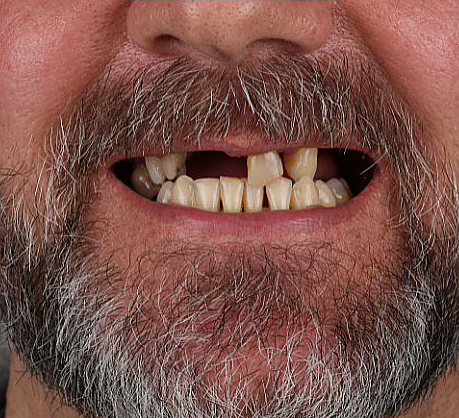
Gum disease, also known as periodontal disease, is a common condition characterized by inflammation and infection of the gum tissues. If left untreated, gum disease can lead to gum recession, bone loss, and tooth loss. When considering dental implants with gum disease, it is crucial to address any existing gum disease before proceeding with the implant procedure. Treating gum disease ensures a healthy foundation for the implants, maximizing their long-term success.
Treating Gum Disease before Dental Implant Placement:
Prior to dental implant surgery, your dentist will thoroughly evaluate your oral health, including the condition of your gums. If gum disease is present, a comprehensive periodontal treatment plan will be developed to address the infection and inflammation. This may involve professional deep cleaning (scaling and root planing) to remove plaque and tartar buildup, as well as other periodontal therapies. By treating gum disease, you can improve the chances of successful dental implant integration. Many people looking for permanent solutions find that Those interested in restoring missing teeth can review our information on dental implants in Oswego IL for a better understanding of treatment.
Considerations for Individuals with Receding Gums:
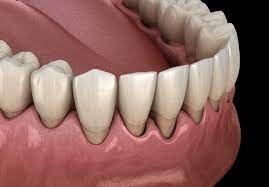
Receding gums, also known as gingival recession, occur when the gum tissue pulls away from the tooth, exposing the tooth root. This can be caused by gum disease, aggressive brushing, or other factors. Individuals with receding gums may have concerns about the stability and aesthetics of dental implants with gum disease. In such cases, your dentist will assess the severity of gum recession and develop a customized treatment plan. This may involve gum grafting procedures to restore gum tissue and create a stable foundation for the dental implant.
Maintenance and Prevention:
After dental implant placement, proper maintenance and preventive measures become even more critical for individuals with a history of gum disease or receding gums. Regular dental visits, diligent oral hygiene practices (including brushing, flossing, and using antimicrobial mouthwash), and a healthy lifestyle can help prevent further gum recession and implant complications. Your dentist will provide specific instructions on post-implant care to ensure the longevity of your dental implants. For those evaluating implant treatment options, Patients researching treatment options often review Snap-In Dentures to better understand how implant procedures work.
Seeking Professional Advice:
Every case is unique, and it is essential to consult with a qualified dental professional to assess your specific situation. They will evaluate the condition of your gums, provide a thorough examination of your oral health, and determine the most suitable treatment plan for dental implant placement. By seeking professional advice, you can address any underlying gum issues and achieve optimal results with your dental implants.
Conclusion:
While gum disease and receding gums can present challenges for dental implant treatment, they do not necessarily exclude you from enjoying the benefits of dental implants with gum disease. Through proper diagnosis, treatment of gum disease, and customized treatment plans, dental professionals can help individuals with these conditions achieve successful outcomes with dental implants. Remember, maintaining good oral hygiene practices and regular dental visits are vital for preserving the health of your gums and the longevity of your dental implants. Consult with a qualified dental professional to explore your options and embark on a journey towards a confident and healthy smile.
If you are looking for state-of-the-art single and multiple tooth to full jaw All-on-4 dental implants, schedule a no-obligation free consultation with Chicago Implant Studio dental implant experts. Schedule a free consultation online today or call us at (331) 257-7999.
Many individuals considering dental implants are already dealing with challenges like bleeding gums, gum recession, or a history of periodontal disease. These conditions often lead to uncertainty, as patients worry whether their oral health issues automatically disqualify them from receiving implants. In reality, the situation is more nuanced. Some patients may have stabilized gum conditions but still experience reduced gum volume or bone loss, which can affect both the appearance and support of a future implant. This creates a need for careful planning rather than immediate treatment.
Clinically, successful implant placement in patients with gum disease or recession depends on rebuilding a healthy foundation before proceeding. Dentists may recommend periodontal therapy to control infection, followed by regenerative procedures such as bone grafting or soft tissue grafting to restore lost structures. The thickness and quality of gum tissue play a crucial role in protecting the implant from bacterial exposure and mechanical stress. In some cases, modifying implant positioning or using specific implant designs can improve long-term outcomes, especially where gum levels are uneven or fragile.
When evaluating candidacy, patients should understand that timing and commitment to oral care are just as important as the procedure itself. Those willing to follow a structured treatment plan, including managing gum health and attending regular maintenance visits, often have better success rates. Lifestyle factors such as smoking or inconsistent hygiene can significantly impact healing and long-term stability. Ultimately, dental implants are still a viable option for many patients with prior gum issues, but achieving the right conditions first is essential for a predictable and lasting result.