
Next Step
Let's schedule your complimentary consultation

In This Article
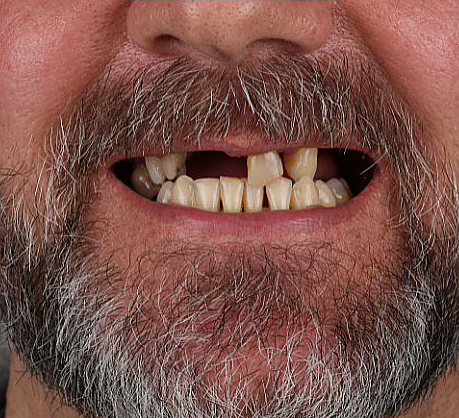
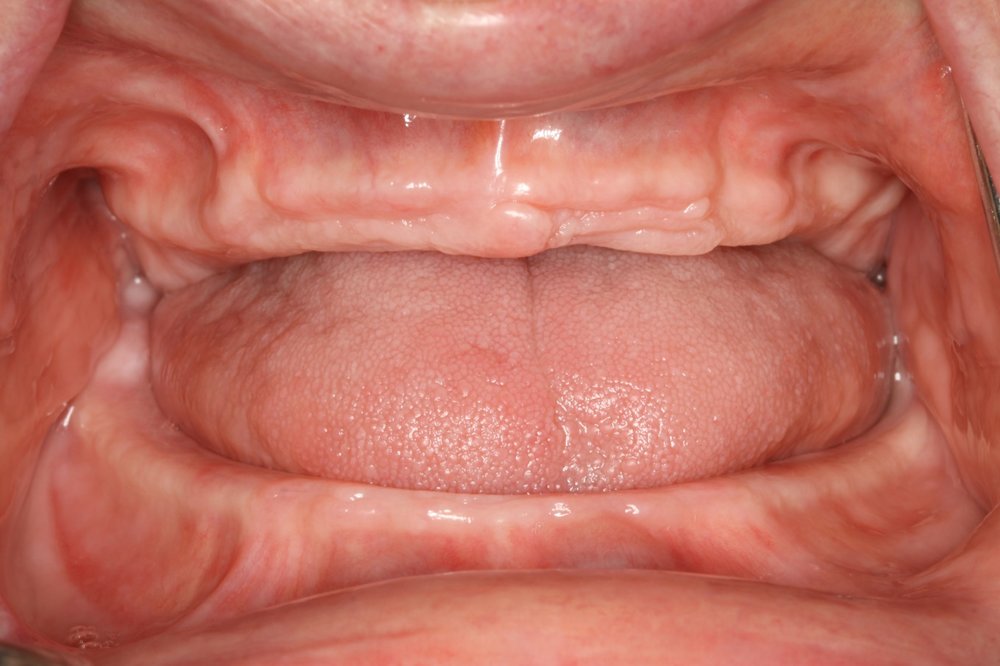
At Chicago Implant Studio, where every great smile begins with healthy teeth, we understand the challenges of missing teeth. If you’re missing multiple teeth or even an entire set, a full mouth dental implant can be a life-changing solution. As a specialized dental care provider in Illinois, IL, we focus exclusively on full mouth dental implant surgery, offering a permanent solution that functions like natural teeth. Our board-certified specialists use advanced techniques, such as all-on-4 dental implants, which require only four implants to support a full arch of teeth, eliminating the need for multiple individual implants. Many patients achieve their smile goals with implant-supported restorations, restoring missing teeth with results that look and feel like natural teeth.
Full-mouth dental implants are an investment in your health, offering a long-lasting solution for those struggling with missing and failing teeth. At our Schaumburg and Chicago locations, we are dedicated to full-mouth rehabilitation, replacing missing teeth and restoring function with types of dental implants tailored to your needs.
What are Full Mouth Dental Implants?
Full mouth dental implants, often called full arch implants, are an innovative solution for individuals suffering from significant tooth loss or those requiring extensive dental restoration. This procedure involves strategically placing dental implants into the jawbone, which serve as stable anchors for a complete set of replacement teeth. Unlike traditional dentures that rely on the gums for support, full mouth implants offer a permanent, secure, and functional alternative, drastically improving the quality of life for recipients.
The procedure begins with a thorough consultation to assess the patient’s oral health and determine implant suitability. Advanced imaging techniques, such as 3D scans, are typically employed to evaluate bone density and structure, ensuring optimal implant placement. After determining the treatment plan, the dentist will typically place four to six implants in the upper or lower jaw. These implants will fuse with the bone over time in an osseointegration process, providing a strong foundation for the artificial teeth.
One of the major advantages of full-mouth dental implants is their ability to restore aesthetics and functionality. Patients experience improved chewing abilities, reduced discomfort compared to traditional dentures, and the confidence that comes with a natural-looking smile. The implants are designed to closely mimic the appearance and function of natural teeth, allowing individuals to enjoy foods they may have avoided due to their dental issues.
Additionally, full mouth dental implants can help prevent bone loss in the jaw, a common consequence of missing teeth. When teeth are lost, the jawbone can deteriorate, leading to further dental issues and changes in facial structure. The implants stimulate the jawbone, promoting its health and preserving facial aesthetics.
Maintenance of full-mouth implants is relatively straightforward. Similar to natural teeth, they require regular brushing, flossing, and dental check-ups. With proper care, the longevity of these implants can often extend over decades, making them a worthwhile investment for those seeking a lasting solution to tooth loss.
It’s also worth noting that the recovery time for full mouth dental implants varies among individuals. While some may experience discomfort during the healing process, advancements in techniques and materials have significantly reduced recovery times compared to previous methods.
In summary, full mouth dental implants offer a comprehensive solution for individuals struggling with severe tooth loss, providing both functional benefits and aesthetic enhancements. If you’re in Illinois, IL, and looking to revitalize your smile, exploring full mouth dental implants may be the key to achieving the confident, comfortable life you desire.

Figure 1. Full Mouth Dental Implant Parts
Top Full Mouth Dental Implant Specialist in Illinois, IL
It is crucial to select the right professional for your full-mouth dental implants. Look for a specialist with years of experience and a good reputation.
Selecting the right specialist is crucial for a successful outcome; but how do you choose the best one? Look for a dentist with extensive experience in full mouth dental implant dentistry. Check their credentials and read patient reviews to gauge their reputation.
A top specialist will offer a personalized consultation. During this session, they will assess your dental health and discuss your treatment goals. They should also explain the procedure, ensuring you understand every step. Don’t hesitate to ask questions about their experience, success rates, and the technologies they use.
In Illinois, IL, there are numerous general dentists, but finding one who specializes in full-mouth dental implant dentistry and a board-certified specialist ensures you receive the best care. Dr. Danesh, our full-mouth dental implants specialist near Illinois, IL, is a board-certified periodontist and full-mouth implant surgeon with advanced training in minimally-invasive surgical methods and implant dentistry. He has contributed to the publication of 2 books and published more than 20 scientific papers in prestigious oral surgery and implant dentistry journals. To learn more about Dr. Danesh, Click here.

What to Look For in a Full Mouth Dental Implant Dentist
When searching for a full mouth implant dentist in Illinois, consider the following:
- Technology and Techniques: We are a provider who uses the latest technology. You can see our state-of-the-art full-mouth dental implants office and advanced devices here.
- Experience and Qualifications: A board-certified and experienced full-mouth dental implants specialist with specialized training in implant dentistry. A few days of continuing education courses won’t qualify a dentist to be a qualified full-mouth implant specialist. Make sure to search for an implant specialist near Illinois, Illinois (preferably a board-certified specialist).
- Patient Reviews and Testimonials: Feedback from previous patients. Chicago Implant Studio has changed the lives of thousands of patients thanks to this affordable, life-changing procedure. Mona came to us wanting to replace her severely compromised teeth with fixed full-mouth dental implants. Watch her story in this short video below. You can also find more before-and-after full-mouth dental implant results in patients and their testimonials here.
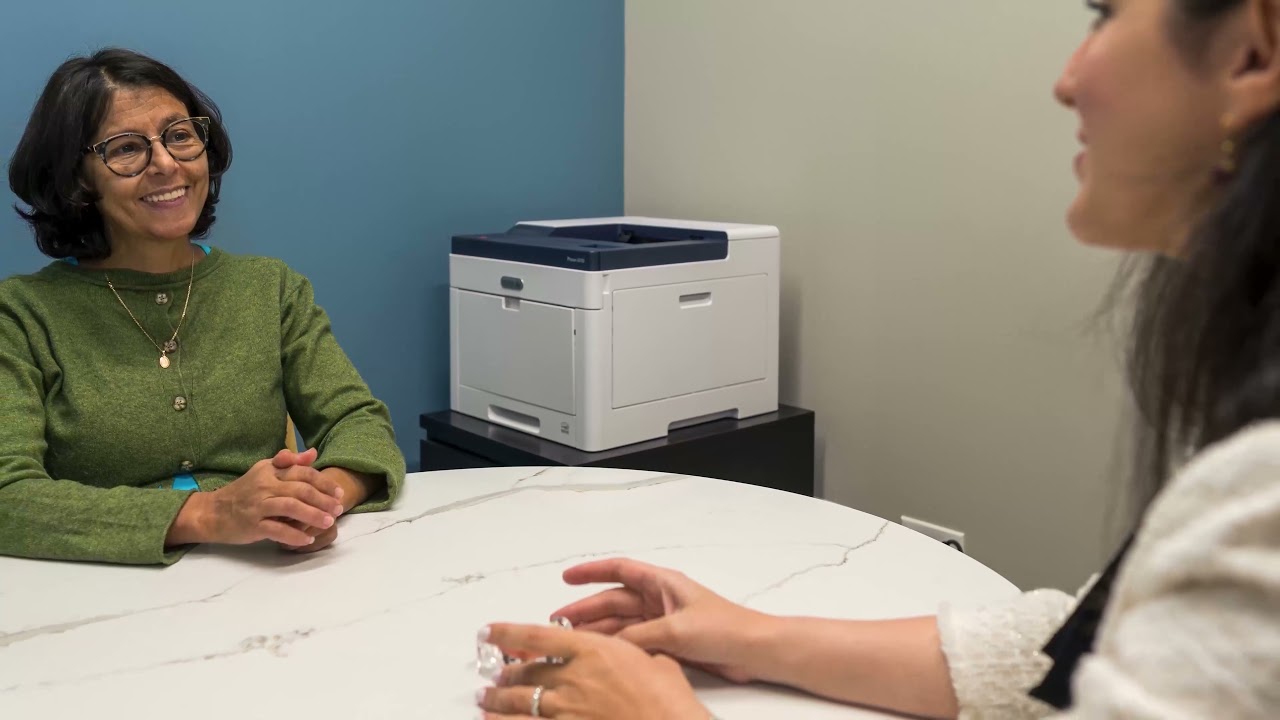
Mona’s Story- Full Mouth dental implants patient
Personalize Quality Care
Look for an implant dentist who prioritizes patient comfort and provides comprehensive consultations. Personalized treatment plans tailored to your specific needs are essential for successful outcomes. It is important to make an informed decision when choosing your full-mouth dental implants clinic, as it may have a major impact on your quality of care and overall experience.
At Chicago Implant Studio, we don’t stick to one or limited treatment philosophy. We present you with all the available full-mouth dental implant options and help you make an informed decision about your procedure.

Figure 2. At Chicago Implant Studio, we prioritize patient comfort and provide personalized full-mouth dental implants care
The full mouth dental implant process includes tooth extraction if necessary, implant placement, and the use of implant posts to support your new teeth. With options for replacing missing teeth like the full arch of teeth supported by four implants, you can avoid the discomfort of removable dentures and enjoy a full, functional smile. Schedule a consultation with us today to explore your treatment options and determine the best solution for your dental needs. Third-party financing companies are available to help make this life-changing procedure accessible to everyone.
Full Mouth Dental Implants Cost in Illinois, IL
Understanding the cost involved can help you make an informed decision. The price of full mouth dental implants can vary widely depending on several factors.
Factors such as the complexity of your case, the materials used, and the expertise of the implant specialist all play a role in determining the final cost. Getting a detailed quote upfront is crucial to avoid any surprises later on.
While it’s not easy to provide an exact figure for the full mouth dental implant cost with no x-rays and without visiting the patient clinically, in our dental implant clinic near Illinois, IL, this payment can be done with affordable monthly payment plans as listed below:
Single Tooth Dental Implant Cost $95/Month (0% Finance / $0 Down)
Full Mouth Dental Implant Cost $395/month (0% Finance / $0 Down)
We Accept All Medical & Dental insurance (except Medicaid)
Getting a Quote
You can always schedule a free consultation online or call us at (331) 257-7999 to find out more about teeth replacement with full mouth dental implants and how much exactly dental implants cost in your case.
The Full Mouth Dental Implants Procedure
The full-mouth dental implant procedure is a multi-step process designed to provide patients with lasting and functional replacements for their missing teeth. It begins with an initial consultation, during which the dentist conducts a comprehensive assessment of the patient’s oral health, including digital imaging like X-rays or 3D scans. These diagnostic tools help determine bone density and the proper positioning of the implants.
Once the assessment is complete, the treatment plan is developed, considering the patient’s unique needs and preferences. The next step typically involves the surgical placement of the implants, which usually requires a local anesthetic to ensure comfort. Depending on the case, the dentist places four to six titanium implants strategically into the jawbone. This process can be completed in a single appointment; in some cases, patients can receive a temporary set of teeth immediately.
After the implants are placed, the osseointegration process begins, where the titanium implants fuse with the jawbone over several months. This is crucial for providing a strong and stable foundation for the final prosthetic teeth. Once healing is complete, an abutment, a connector, is attached to each implant, and impressions are taken to fabricate the custom dentures.
Finally, the permanent replacement teeth are securely fitted onto the abutments, restoring the patient’s smile’s aesthetics and function. With proper care, full-mouth dental implants can last for many years, greatly enhancing the quality of life for those with significant tooth loss.
Advanced Techniques and Technologies
Modern implant dentistry has seen incredible advancements. With technologies like 3D imaging and guided surgery, outcomes are more predictable than ever.
These advancements reduce the risk of complications and make the procedure quicker and more comfortable. For the best results, always choose an implant center that uses the latest techniques.

Figure 3. 3D CT scan x-ray imaging allows for precise planning of full mouth dental implant placement
Comparing Full Mouth Dental Implants to Other Solutions
You might look at dentures or bridges when considering solutions for missing teeth. However, full-mouth dental implants offer several advantages.
Unlike dentures, implants are permanent and won’t slip or make clicking noises. They also help maintain jawbone density, preventing facial sagging often seen with dentures.
Benefits of Full Mouth Dental Implants
There are numerous benefits to choosing full mouth dental implants over other tooth replacement options. Here are a few:
- Natural Appearance: Implants look and feel like natural teeth, boosting confidence.
- Durability: With proper care, dental implants can last a lifetime.
- Improved Oral Health: Implants don’t require altering nearby teeth, which helps preserve your natural tooth structure.
Common Misconceptions About Full Mouth Dental Implants
Several myths surrounding full mouth dental implants may deter people from considering them. Let’s debunk a few:
- Painful Procedure: The procedure is generally performed under anesthesia, minimizing discomfort.
- High Failure Rate: Dental implants have a high success rate, especially when done by experienced specialists.
- Too Expensive: While the initial cost is higher, the long-term benefits often outweigh the expense.
Financing and Insurance Options
Paying for full mouth dental implants can be daunting, but various financing options are available. Many dental implant centers offer payment plans that spread the cost over time.
Check if your insurance covers any part of the procedure. Some plans might partially cover the cost, which can significantly reduce out-of-pocket expenses.
In Chicago implant studio near Illinois IL, we offer financing plans. These plans allow you to spread the cost over several months or years, making it easier to manage. Discuss these options with your specialist to find a plan that suits your financial situation. The cost of dental implants can be a concern for many. However, several financing and insurance options can make the procedure more affordable. You can always schedule a free consultation online or call us at (331) 257-7999 to find out more about teeth replacement with dental implants and how much exactly dental implants cost in your case.
Lifestyle and Maintenance Tips After Full Mouth Dental Implants
After getting your implants, maintaining your new smile is essential. Regular dental checkups and good oral hygiene are crucial.
Avoid hard foods that could damage your implants. Use a non-abrasive toothpaste and brush gently to keep your implants clean and free from plaque buildup.
Conclusion
Full mouth dental implants are a revolutionary solution for those looking to restore their smile. This procedure provides stability, preserves jawbone health, and enhances quality of life. By choosing a top full mouth implant specialist and understanding the costs, benefits, and maintenance involved, you can make an informed decision.
Ready to transform your smile? You can always schedule a free consultation online or call us at (331) 257-7999 to find out more about teeth replacement with full mouth dental implants and how much exactly full mouth dental implants cost in your case.
How does Illinois’ healthcare network support implant patients?
Illinois is home to some of the best medical institutions in the country, including Northwestern Medicine, University of Chicago Medical Center, Rush University Medical Center, and University of Illinois Hospital. These world-class hospitals provide preoperative medical clearance for complex implant cases.
In addition, regional hospitals—from Rockford to Springfield to Peoria—play a role in helping patients prepare for surgery. Local dentists handle preventive care and referrals, while implant specialists across the suburbs use cone-beam CT scans and guided surgery tools to plan treatments with precision.
This layered healthcare network ensures that Illinois residents—whether urban or rural—receive comprehensive support.
Illinois hosts two UNESCO World Heritage Sites: Cahokia Mounds (near Collinsville) and part of the Frank Lloyd Wright architecture inscription. The state’s research and cultural footprint includes the University of Chicago, University of Illinois, and Northwestern University. Three U.S. presidents—Abraham Lincoln, Ulysses S. Grant, and Barack Obama—were elected while living in Illinois; Ronald Reagan was born and raised here. The official slogan, “Land of Lincoln,” reflects the state’s deep connection to the 16th president.
Economically, Illinois is remarkably diverse: global finance and services in Chicago; industry and logistics in the north and center; and energy, agriculture, timber, and petroleum resources downstate. Geography and location make Illinois a transport linchpin—the Port of Chicago links the Great Lakes and Atlantic via the St. Lawrence Seaway, and to the Gulf of Mexico via the Illinois Waterway and Mississippi River. Chicago has been the nation’s primary rail hub since the 19th century, and O’Hare International Airport remains among the world’s busiest. Because it mirrors so much of the country, Illinois is often viewed as a microcosm of the United States—hence the old test-market line, “Will it play in Peoria?”
Healthcare System in the State of Illinois
The State of Illinois, located in the Midwest, has a comprehensive and multifaceted healthcare system that serves a diverse population of over 12 million residents. Illinois’ healthcare system is a combination of public and private providers, hospitals, clinics, specialized care centers, research institutions, and health insurance networks, designed to meet the medical needs of urban, suburban, and rural communities. With major medical centers in metropolitan areas like Chicago, a robust network of regional hospitals, and access to community-based health services, Illinois provides residents with a wide range of healthcare options.
Major Hospitals and Medical Centers
Illinois is home to some of the most renowned hospitals in the United States, particularly in the Chicago metropolitan area. Hospitals such as Northwestern Memorial Hospital, Rush University Medical Center, University of Chicago Medical Center, and Lurie Children’s Hospital provide cutting-edge medical care, advanced surgical procedures, and specialty treatment programs. These facilities are recognized nationally for their excellence in areas like cardiology, oncology, neurology, and pediatrics. They also serve as teaching hospitals, training medical students, residents, and healthcare professionals while conducting groundbreaking medical research.
Outside Chicago, regional hospitals in cities such as Springfield, Peoria, Rockford, Aurora, and Champaign provide vital healthcare services to residents of smaller cities and rural communities. These hospitals often offer emergency care, general surgery, maternity services, and primary care while partnering with larger urban hospitals for advanced treatment referrals. The presence of these facilities ensures that even residents in less densely populated areas have access to essential medical services.
Primary Care and Community Health Services
Primary care physicians play a central role in Illinois’ healthcare system. They provide preventive care, routine check-ups, management of chronic conditions, and referrals to specialists. Illinois emphasizes the importance of community-based care, with clinics and health centers located throughout the state to serve local populations. Federally Qualified Health Centers (FQHCs) and community clinics provide services to underserved populations, including low-income families, uninsured residents, and immigrants. These centers offer primary care, dental services, mental health counseling, and vaccination programs, improving healthcare accessibility across the state.
Specialized Care and Medical Research
Illinois has a strong focus on specialized care and medical research. Major medical centers conduct research in fields such as cancer, cardiovascular disease, neurology, infectious diseases, and genetics. Hospitals such as Rush University Medical Center and the University of Chicago Medical Center collaborate with research institutions, universities, and pharmaceutical companies to develop innovative treatments, clinical trials, and advanced therapies. This integration of research and clinical care allows patients in Illinois to access cutting-edge treatment options, often years before they become widely available elsewhere.
Specialty care is widely available across the state, including cardiology, oncology, orthopedics, neurology, pediatrics, and maternal health services. Illinois also has centers of excellence for trauma care, burn treatment, and transplant programs. Urban centers provide highly specialized services, while regional hospitals often collaborate with these larger centers to ensure that patients in all parts of the state receive appropriate care.
Public Health Initiatives
Illinois’ healthcare system is supported by extensive public health programs managed by the Illinois Department of Public Health (IDPH). The IDPH oversees programs in disease prevention, immunization, maternal and child health, chronic disease management, and emergency preparedness. Public health campaigns address issues such as obesity, diabetes, smoking cessation, vaccination, and mental health awareness. Illinois also participates in nationwide health initiatives and collaborates with federal agencies to address epidemics, pandemics, and health crises.
Community outreach is a critical component of public health in Illinois. Programs target vulnerable populations, rural communities, and minority groups to reduce health disparities. Health education initiatives, mobile clinics, and preventive care programs are implemented to ensure that all residents have access to essential healthcare services, regardless of socioeconomic status.
Health Insurance and Access to Care
Illinois residents have access to a variety of health insurance options, including employer-sponsored plans, private insurance, and public programs such as Medicaid and Medicare. The state has expanded Medicaid under the Affordable Care Act, increasing access to healthcare for low-income individuals and families. Illinois also operates a state-based health insurance marketplace, Get Covered Illinois, which provides resources and enrollment assistance for residents seeking affordable coverage.
Insurance coverage improves access to both routine and specialized care, ensuring that residents can receive preventive services, diagnostic tests, treatment for chronic conditions, and emergency care. However, disparities still exist in access to care, particularly in rural areas, where transportation and healthcare provider shortages can pose challenges. The state continues to invest in expanding access to underserved communities through telemedicine, mobile clinics, and regional healthcare networks.
Emergency Medical Services and Disaster Preparedness
Illinois maintains an extensive emergency medical services (EMS) network to respond to accidents, medical emergencies, and natural disasters. EMS providers work closely with hospitals, public health agencies, and local government authorities to ensure timely response and effective care. Disaster preparedness programs, coordinated by the IDPH, include pandemic response, emergency planning for extreme weather, and public health communications to protect residents during crises.
Mental Health and Specialized Programs
Mental health services are a critical component of Illinois’ healthcare system. The state provides psychiatric care, counseling, substance abuse treatment, and crisis intervention through hospitals, community mental health centers, and nonprofit organizations. Programs addressing behavioral health, addiction treatment, and suicide prevention have expanded in recent years, reflecting the state’s commitment to comprehensive health services.
Conclusion
The healthcare system in Illinois is extensive, diverse, and multifaceted, serving a population that ranges from urban residents in Chicago to small-town and rural communities. With world-class hospitals, specialized care centers, community clinics, public health programs, and emergency services, Illinois provides comprehensive care across all areas of health. Emphasis on research, innovation, and accessibility ensures that residents receive modern, high-quality medical services. While challenges remain in terms of rural access and health disparities, Illinois continues to invest in improving healthcare infrastructure, workforce development, and public health initiatives, making it a state committed to the well-being of all its residents.