
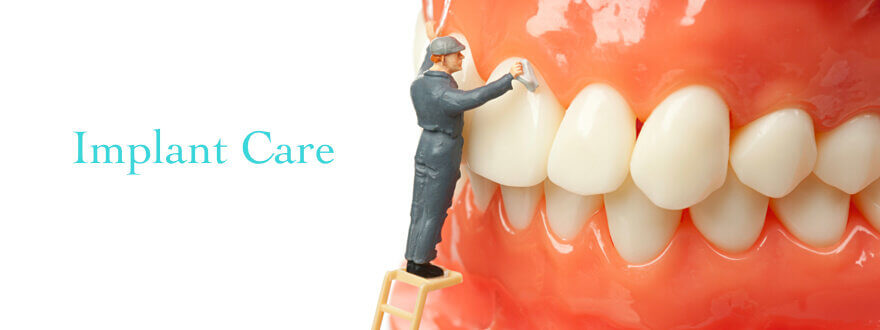
Introduction:
This is David and I am a dental implant educator at Chicago Implant Studio. One of the things that our patients are curious about at their dental implant consultation session is “How to care for dental implants”. Individuals looking for permanent tooth replacement often explore our page about dental implant solutions in Aurora.
Dental implants have become a popular and effective solution for replacing missing teeth. To ensure the longevity and optimal function of dental implants, it is crucial to provide them with proper care and maintenance. In this article, we will discuss essential tips on how to care for dental implants, enabling you to enjoy a healthy and beautiful smile for years to come.
Follow Good Oral Hygiene Practices:
Maintaining excellent oral hygiene is paramount for the health of your dental implants. Brush your teeth at least twice a day using a soft-bristle toothbrush and a non-abrasive toothpaste. Pay close attention to the areas around the implants, gently brushing in a circular motion. Additionally, floss daily, using a floss threader or interdental brushes to clean between the implants and surrounding teeth.
Use Implant-Friendly Oral Care Products:
When caring for dental implants, it is essential to choose oral care for dental implants products specifically designed for implants. Opt for a low-abrasive toothpaste that won’t scratch the implant surfaces. Consider using an antimicrobial mouthwash to reduce the risk of infection and maintain a healthy oral environment. Your dentist or dental hygienist can recommend suitable products to support the longevity of your dental implants. For patients researching their options, Patients seeking reliable solutions for missing teeth frequently visit our page on tooth implants in Plainfield.
Attend Regular Dental Check-ups:
Regular dental check-ups are crucial for monitoring the health of your dental implants. Schedule routine visits with your dentist, typically every six months, or as recommended by your oral healthcare professional. During these visits, your dentist will assess the condition of your implants, perform a thorough cleaning, and address any concerns or complications promptly.
Maintain a Balanced Diet:
A well-balanced diet plays a significant role in the overall health of your dental implants. Ensure your meals include a variety of nutrient-rich foods, such as fruits, vegetables, lean proteins, and dairy products. Avoid excessive consumption of sugary and acidic foods and beverages, as they can contribute to gum disease and potential implant complications. Optimal nutrition supports the healing process and helps maintain healthy gum tissues surrounding the implants. When considering long‑term tooth replacement, If you are exploring tooth replacement solutions, our guide to All-on-4 Dental Implants for missing teeth explains the available treatment options.
Avoid Harmful Habits:
Certain habits can have a detrimental impact on your dental implants. Avoid smoking or using tobacco products, as they can impede the healing process and increase the risk of implant failure. Additionally, refrain from biting on hard objects like ice, pens, or fingernails, as this can exert excessive force on the implants and potentially lead to damage.
Protect Your Implants During Physical Activities:
If you participate in contact sports or activities with a risk of facial trauma, it is crucial to protect your dental implants. Wear a mouthguard or custom-made sports guard to shield your implants and natural teeth from potential injury. This precautionary measure can help preserve the integrity and stability of your dental implants.
Conclusion:
Proper care for dental implants and maintenance are vital for the long-term success of dental implants. By following good oral hygiene practices, using implant-friendly oral care products, attending regular dental check-ups, maintaining a balanced diet, avoiding harmful habits, and protecting your implants during physical activities, you can ensure the health and longevity of your dental implants. Remember, consistent care for dental implants and attention will help you enjoy a confident smile and the full functional benefits of your dental implants for years to come.
Schedule a Free Consultation Today
From single and multiple tooth to full jaw All-on-4 dental implants, Chicago Implant Studio helps patients of all ages enjoy eating, gain their confidence, and smile again. Find out how dental implants can improve your life and overall health. Schedule a free consultation online today or call us at (331) 257-7999.
After getting dental implants, many patients assume the hardest part is over, but daily care quickly becomes the next important phase. In the first few weeks, even simple routines like brushing can feel unfamiliar because patients worry about applying too much pressure around the implant area. Some also become overly cautious, avoiding proper cleaning altogether, which can unintentionally lead to plaque buildup and gum irritation around the restoration.
From a clinical perspective, implant care is less about aggressive cleaning and more about maintaining a balanced oral environment. The surrounding gum tissue plays a crucial role in protecting the implant, so gentle but consistent plaque control is essential. Soft-bristled brushes, angled cleaning techniques, and careful interdental cleaning help prevent bacterial accumulation without disturbing healing tissues. Another often overlooked factor is saliva flow, which naturally helps control bacteria—staying hydrated and maintaining overall oral moisture supports long-term implant stability. Regular professional maintenance is also important because specialized tools are used to clean implant surfaces without scratching or weakening them.
When deciding how strictly to follow implant care routines, patients should think about long-term preservation rather than short-term convenience. Those who commit to consistent hygiene habits and routine dental visits are far more likely to maintain implant success over many years. Patients with a history of gum sensitivity or inconsistent brushing habits may need additional guidance or reminder-based care systems to stay on track. Choosing to prioritize daily maintenance is not just about protecting the implant—it is about ensuring long-term oral health, comfort, and confidence in everyday function.