
In This Article
Introduction
This is David and I am a dental implant educator at Chicago I implant Studio. In this article I will answer one of the common questions I get from patients at the consultation appointment with our implant specialist – How to increase your bone density for dental implants?
Bone density is a crucial factor for the successful placement of dental implants. Whether you’re planning to undergo this procedure or have already made the decision, understanding how to increase your bone density can significantly impact the outcome. In this article, we’ll explore practical steps to enhance your bone strength, optimize your oral health, and ensure the success of your dental implants.
Understanding the Importance of Bone Density in Dental Implants
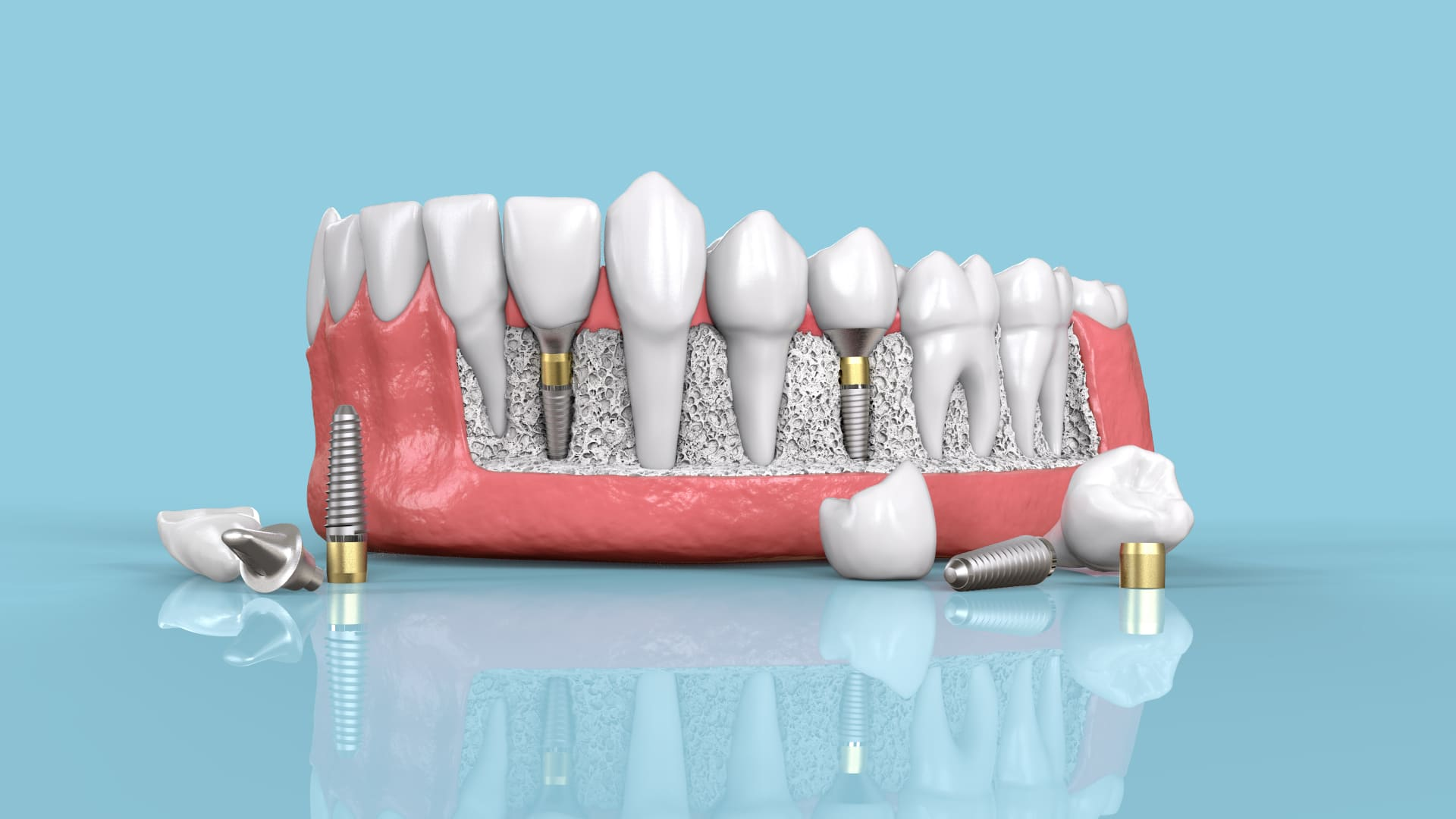
Before we delve into the details of enhancing bone density, let’s first understand its role in dental implants. Dental implants are small titanium posts that are surgically placed into the jawbone where teeth are missing. For these implants to be successful, they need a strong and healthy bone structure for support. Higher bone density provides a more stable base for the implant, improving its stability, functionality, and longevity.
Natural Ways to Increase Bone Density
Balanced Diet
Firstly, consider your diet. Consuming a balanced diet rich in calcium, vitamin D, and phosphorus can help increase bone density for dental implants. Foods like dairy products, leafy greens, fatty fish, and whole grains are packed with these essential nutrients. Remember, your body needs vitamin D to absorb calcium, so ensure you get enough sunlight, or consider a supplement if needed.
Regular Exercise
Physical activity, particularly weight-bearing and resistance exercises, has been proven to promote bone health. Activities like walking, jogging, weightlifting, and yoga can stimulate bone formation, improving density and strength.
Quit Smoking
Smoking hinders the body’s ability to absorb calcium, leading to lower bone density. If you’re a smoker and considering dental implants, it’s high time to quit. Not only will this improve your bone health, but it will also positively impact your overall wellness.
Medical Interventions for Increasing bone density for dental implants
In some cases, you may need medical interventions to improve bone density, particularly if you have experienced bone loss.
Bone Grafting
In bone grafting, a piece of bone is taken from another part of your body, or a special bone grafting material is used, and transplanted into your jawbone. Over time, the graft creates enough new, strong bone to support a dental implant.
Medication
Your dentist might prescribe medications to prevent or slow bone loss. Bisphosphonates are commonly used drugs that slow the rate of bone loss and may also increase bone density for dental implants.
Conclusion
Maintaining and enhancing your bone density is a multifaceted process involving lifestyle changes, diet modifications, and in some cases, medical interventions. It’s an essential step to ensure the success of your dental implants. Remember, your journey to a healthy smile begins with a strong foundation.
Optimizing your bone health not only improves the chances of successful dental implantation but also contributes to your overall health. As always, consult with your dental health professional to find out what works best for your specific situation.
Our all-inclusive pricing for implants is very competitive compared to all reliable implant centers in Chicago. We understand the challenges faced to pay for premium quality dental implant care and for the same reason we provide zero percent or minimal interest rates financing to make the process affordable. Schedule a free consultation online today or call us at (331) 257-7999.