
This is David and I am a dental implant educator at Chicago Implant Studio. I noticed that our dental implant patients are always curious about and want to know more about “Implant-supported dentures success rate”. Many people considering implant treatment review our page on Aurora dental implants to see available procedures and outcomes.
Understanding Implant-Supported Dentures:
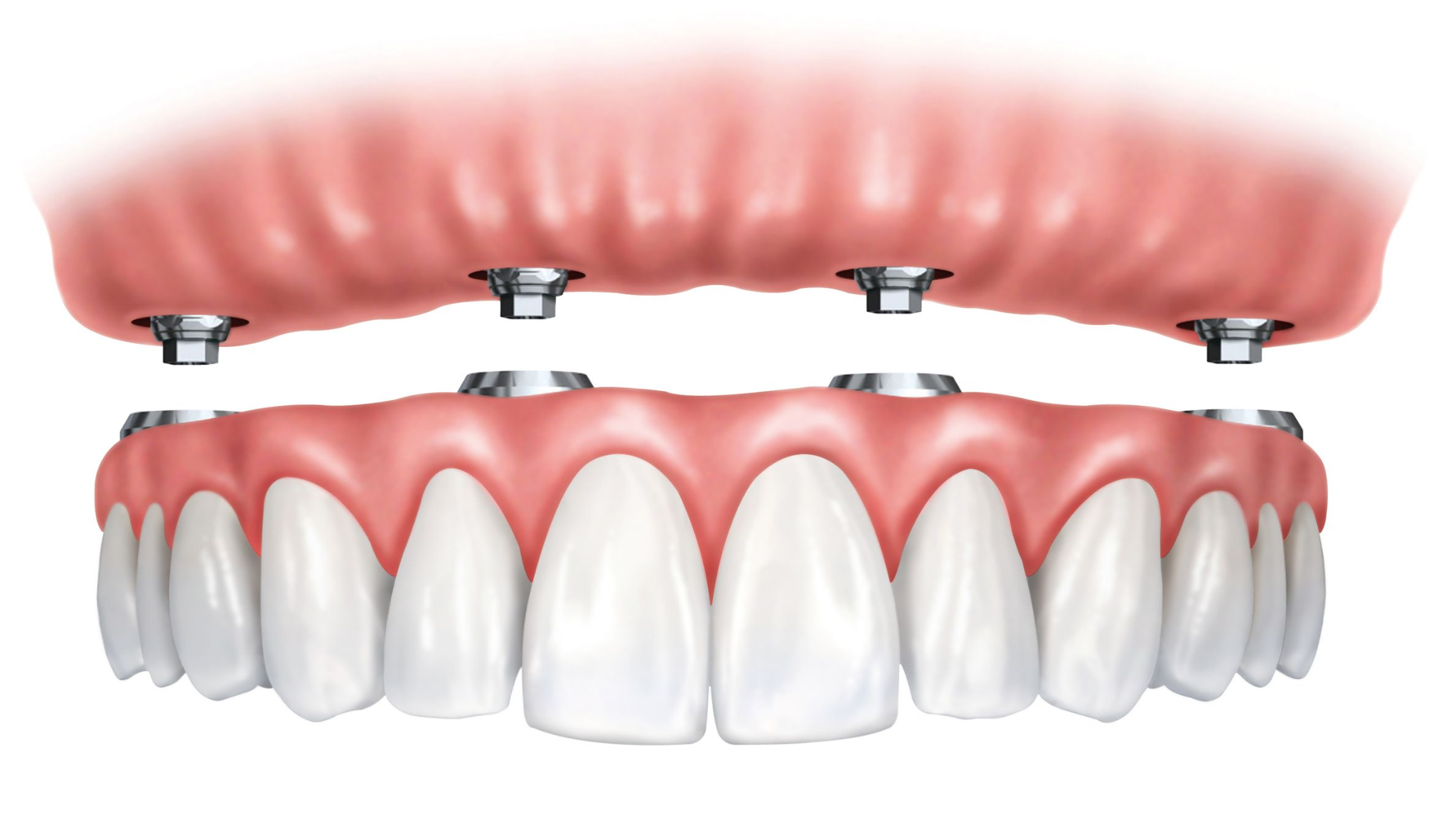
Implant-supported dentures success rate also known as overdentures, are dental prostheses that combine the stability of dental implants with the convenience of removable dentures. Unlike traditional dentures, which rely on adhesive or suction for support, implant-supported dentures are firmly anchored to dental implants inserted into the jawbone. This secure connection provides a range of benefits, including improved chewing efficiency, enhanced speech, and increased comfort.
Success Factors:
- Implant Integration: The primary determinant of the success rate for implant-supported dentures is the integration of the dental implants with the jawbone. During the healing process, the implants gradually fuse with the bone, providing a stable foundation for the dentures. Factors such as bone quality, patient’s overall health, and proper Implant-supported dentures success rate placement influence the success of this integration.
- Skilled Implant Placement: The expertise and experience of the dentist or oral surgeon performing the implant placement procedure are crucial. Precise implant positioning ensures optimal support and long-term success of the dentures. Therefore, it is advisable to consult with a qualified professional specializing in implant dentistry.
- Oral Health Maintenance: Consistent oral hygiene practices play a significant role in the longevity and success of implant-supported dentures. Regular brushing, flossing, and professional dental cleanings are vital to prevent complications such as gum disease, which can compromise the stability of the implants.
- Patient Compliance: The commitment of the patient to follow post-treatment instructions and attend regular check-ups is essential. Adhering to the recommended care routine and scheduling routine visits allows the dental team to monitor the health of the implants and address any concerns promptly. Before starting treatment, many patients review Many people considering dental implants review information about dental implants in Yorkville IL before starting treatment.
Implant-supported dentures success rate:
The success rate of implant-supported dentures is impressively high, with studies indicating success rates exceeding 95% over a ten-year period. This remarkable longevity can be attributed to advancements in implant technology, improved surgical techniques, and the use of high-quality materials. However, individual factors such as overall health, oral hygiene habits, and lifestyle choices can influence the long-term success of the dentures.
Conclusion:
Implant-supported dentures offer individuals with missing teeth a life-changing solution, significantly improving their quality of life and self-confidence. With a success rate surpassing 95% over a decade, these dentures have become a reliable and highly sought-after restoration option. By considering the crucial factors mentioned above and consulting with a qualified dental professional, individuals can ensure a successful outcome and enjoy the benefits of implant-supported dentures for years to come. Say goodbye to the inconvenience and discomfort of traditional dentures and embrace the transformative power of implant-supported dentures for a confident smile. For patients researching implant treatment, If you want to understand implant procedures and candidacy, review our information on All-on-4 Dental Implants.
Meet the Best Dental Implant Surgeon at Chicago Implant Studio
Chicago Implant Studio is a reputable dental implant clinic in Aurora, Illinois. Find out how dental implants can improve your life and overall health. We offer an international warranty on dental implants for a lifetime. Schedule a free consultation online today or call us at (331) 257-7999.
Patients considering implant-supported dentures are often concerned about whether the treatment will truly last or if it carries a risk of failure over time. This concern is especially common among individuals who have already experienced issues with traditional dentures or previous dental work that did not meet expectations. For many, the decision is not just about restoring teeth but about investing in a solution that feels dependable in daily life.
From a clinical standpoint, success rates of implant-supported dentures are closely linked to biological integration and long-term maintenance rather than the prosthesis alone. When implants properly fuse with the jawbone, they create a stable foundation that can support consistent function for many years. Factors such as implant placement accuracy, bone quality, and controlled healing conditions play a major role in long-term stability. Additionally, advancements in surface technology and digital treatment planning have improved predictability, allowing clinicians to position implants in a way that maximizes bone contact and reduces mechanical stress during chewing.
When evaluating success potential, patients should consider their individual health profile and commitment to ongoing care. Good oral hygiene, regular follow-ups, and avoidance of habits like smoking can significantly influence long-term outcomes. Not every patient will have the same success probability, as conditions such as bone density, gum health, and systemic health issues can impact healing. A detailed evaluation helps determine whether implant-supported dentures are a suitable option and sets realistic expectations for durability, function, and overall treatment success.
Many patients considering implant-supported dentures are not just thinking about replacing missing teeth—they are often trying to regain normal daily function after years of discomfort, slipping dentures, or difficulty eating. Some may feel frustrated with traditional dentures that limit food choices or affect speech clarity. Others may be dealing with bone loss or long gaps since tooth loss, which adds uncertainty about whether this option will work for them. Their situation is usually a mix of functional challenges and a desire for a more stable, long-term solution that feels closer to natural teeth.
From a clinical perspective, the success of implant-supported dentures depends on multiple factors beyond just the procedure itself. Bone quality and density play a major role in how well implants integrate with the jaw, while proper placement ensures even distribution of biting forces. Advances in imaging and guided surgery have significantly improved accuracy, reducing complications and improving long-term outcomes. Additionally, patient habits such as oral hygiene, smoking, and systemic health conditions can influence healing and implant stability. Maintenance protocols, including regular check-ups and professional cleanings, are essential in preserving both the implants and surrounding tissues over time.
When deciding if implant-supported dentures are the right choice, candidacy goes beyond simply wanting a fixed solution. Patients need to evaluate their commitment to aftercare, their overall health status, and their expectations for results. Some individuals may require preparatory treatments like bone grafting, while others may qualify for immediate placement options. Understanding the balance between cost, longevity, and lifestyle benefits is key. A thorough consultation helps patients align their goals with realistic outcomes, allowing them to make an informed decision that supports both oral health and overall quality of life.