
This is David and I am a dental implant educator at Chicago Implant Studio. I noticed that our dental implant patients are always curious about and want to know more about “Implant-supported dentures vs. dental bridges”. Our clinic provides detailed information about advanced dental implants Aurora IL including procedures, healing time, and benefits.
Implant-Supported Dentures: Stability and Comfort
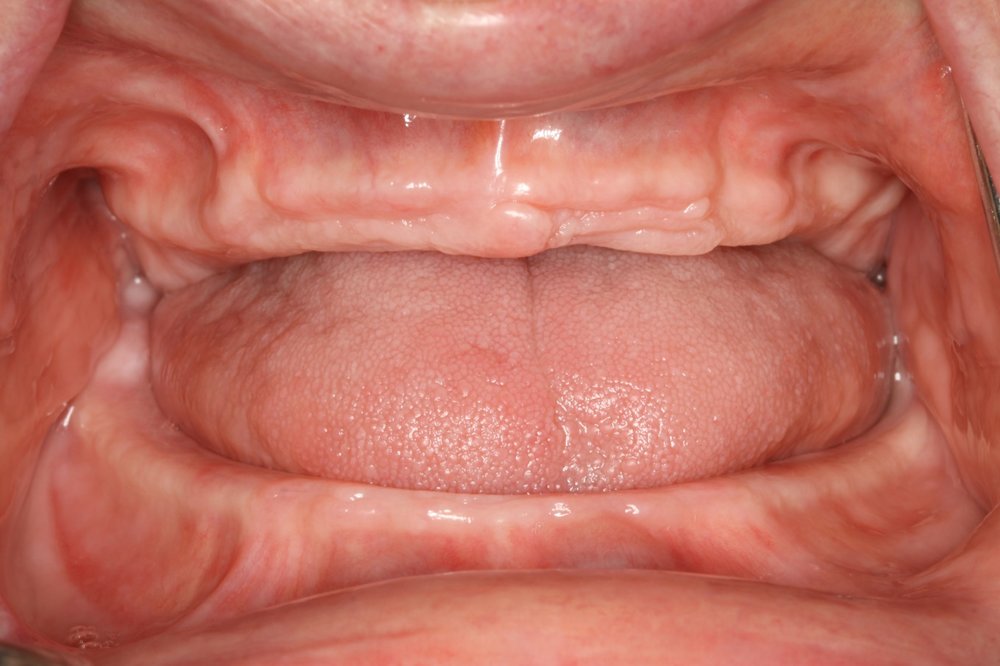
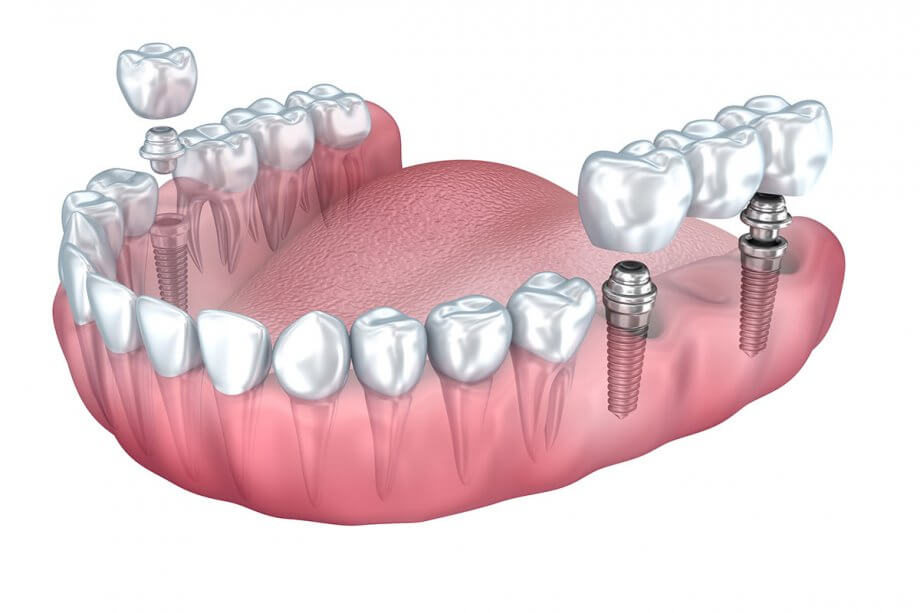
Implant-supported dentures are a modern solution that combines the benefits of Implant-supported dentures vs. dental bridges with the convenience of dentures. Dental implants are surgically placed into the jawbone, acting as sturdy anchors for the denture prosthesis. This approach provides remarkable stability, allowing for confident eating, speaking, and smiling.
One of the primary advantages of implant-supported dentures is their enhanced comfort. As the implants fuse with the jawbone, they create a strong foundation, eliminating the potential for slippage or irritation often associated with traditional dentures. This stability enhances the overall functionality and makes implant-supported dentures feel more like natural teeth.
Dental Bridges: Restoring Form and Function
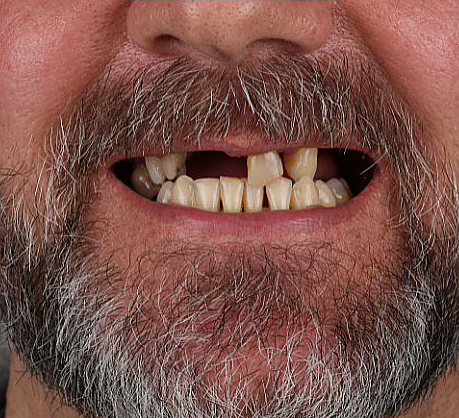
Dental bridges, on the other hand, are fixed prosthetic devices that bridge the gap created by one or more missing teeth. They consist of artificial teeth (pontics) supported by dental crowns placed on adjacent healthy teeth. Implant-supported dentures vs. dental bridges offer an efficient and time-tested solution for replacing missing teeth, restoring both the form and function of your smile.
One significant advantage of dental bridges is their non-invasive nature. Unlike implant-supported dentures that require surgery, dental bridges can be placed without the need for additional procedures. This makes them a suitable option for individuals who may not be ideal candidates for dental implant surgery due to certain health conditions or insufficient bone density. Many people looking for permanent solutions find that If you are researching modern implant solutions, visit our guide to dental implants in Yorkville IL to understand the treatment process.
Considerations for Choosing the Right Option
- Oral Health: Implant-supported dentures help preserve jawbone density by stimulating natural bone growth, promoting long-term oral health. Dental bridges, while effective, do not offer this advantage.
- Stability and Longevity: Implant-supported dentures provide exceptional stability, preventing bone loss and maintaining facial structure. Dental bridges rely on neighboring teeth for support, which may lead to added stress on those teeth over time.
- Maintenance: Implant-supported dentures can be cared for like natural teeth, requiring regular brushing, flossing, and dental check-ups. Dental bridges require additional cleaning techniques, such as floss threaders or water flossers, to ensure proper oral hygiene.
- Cost: While Implant-supported dentures vs. dental bridges may have a higher upfront cost, they are often considered a long-term investment due to their durability and potential for improved oral health. Dental bridges may be a more affordable option initially, but they may require more frequent replacements in the future.
Conclusion
Choosing between implant-supported dentures and dental bridges depends on your specific oral health needs and preferences. Implant-supported dentures offer remarkable stability, comfort, and long-term benefits, making them an attractive option for many individuals. On the other hand, dental bridges provide an efficient and non-invasive solution that restores both the form and function of your smile. When reviewing permanent tooth replacement options, Those interested in long‑term tooth replacement often learn about All-on-4 Dental Implants when researching treatment.
Consulting with an experienced dentist is crucial to determine the most suitable option for you. They can evaluate your oral health, discuss your expectations, and guide you towards the choice that aligns with your goals. Remember, a healthy smile contributes to your overall well-being, so invest in the solution that will bring you the confidence and comfort you deserve.
Meet the Best Dental Implant Surgeon at Chicago Implant Studio
Chicago Implant Studio is a reputable dental implant clinic in Aurora, Illinois. Find out how dental implants can improve your life and overall health. We offer an international warranty on dental implants for a lifetime. Schedule a free consultation online today or call us at (331) 257-7999.
Patients comparing implant-supported dentures and dental bridges are often trying to solve different versions of tooth loss challenges. Some are missing several or all teeth in one arch, while others may have gaps between healthy teeth that still provide some support. This decision can feel overwhelming because both options improve function and appearance, yet they work in very different ways and suit different oral conditions.
From a clinical perspective, implant-supported dentures rely on implants placed within the jawbone to support a removable or fixed full-arch prosthesis, while dental bridges typically depend on adjacent natural teeth or implants as anchors. This fundamental difference affects how each option interacts with bone health over time. Implants help stimulate the jawbone, which may reduce long-term bone loss, whereas traditional bridges supported by natural teeth may require reshaping of healthy enamel. Additionally, the force distribution varies—implant-supported systems spread pressure more evenly across the jaw, which can improve comfort during chewing for patients with extensive tooth loss.
When choosing between these treatments, patients should consider not only current oral health but also future stability and maintenance needs. Bridges may be more suitable when strong neighboring teeth are available, while implant-supported dentures are often preferred for larger gaps or full-arch replacement needs. Lifestyle factors, budget, and willingness to undergo surgical procedures also play an important role in candidacy. A personalized evaluation helps determine which solution aligns best with long-term oral health goals, ensuring the chosen option supports both function and durability over time.
When patients are deciding between implant-supported dentures and dental bridges, they are often dealing with uncertainty about how each option will impact their daily life. Some may have one or more missing teeth and want a solution that feels stable without affecting nearby healthy teeth. Others might already have dental work and are concerned about durability, appearance, or how natural their smile will look over time. The decision is rarely just about replacing teeth—it’s about choosing a solution that fits their comfort level, budget, and long-term expectations.
From a clinical perspective, the main difference lies in how each treatment interacts with the surrounding oral structures. Dental bridges rely on adjacent teeth for support, which may require reshaping otherwise healthy teeth to anchor the restoration. In contrast, implant-supported dentures function independently by anchoring directly into the jawbone, helping preserve bone density and reducing stress on neighboring teeth. Load distribution, hygiene access, and long-term tissue response all differ between the two options. Implants can offer better stability and bone preservation, while bridges may provide a quicker solution with fewer surgical steps, depending on the patient’s condition.
Choosing the right option depends on several personal and clinical factors. Patients with strong, healthy adjacent teeth and a preference for non-surgical treatment may lean toward bridges, while those seeking a more permanent and bone-preserving solution may consider implants. Lifestyle, oral hygiene habits, and willingness to undergo a surgical procedure also play a role. A comprehensive evaluation helps determine which approach aligns best with the patient’s goals, ensuring that the chosen treatment supports both immediate needs and long-term oral health.