
Introduction:
This is David and I am a dental implant educator at Chicago Implant Studio. In this article I will answer one of the common questions I get from patients at the consultation appointment with our implant specialist “ Implant-Supported Dentures (permanent dentures or dental implant dentures,) vs. Traditional Dentures”. Patients exploring long‑term tooth replacement can learn more about permanent dental implants in Aurora and available treatment options.
When it comes to restoring a beautiful smile and regaining oral functionality, dentures have long been a popular choice. However, advancements in dental technology have introduced implant-supported dentures (permanent dentures) as an alternative to traditional dentures. This article aims to explore the differences between permanent dentures, or dental implant dentures, and traditional dentures, highlighting their pros and cons. By understanding these options, you can make an informed decision about which solution is best suited to your needs.
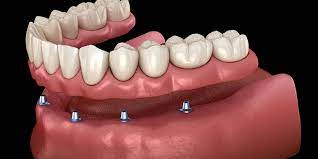
Section 1: What are permanent dentures? Implant-supported dentures, also known as dental implant dentures or permanent dentures, combine the stability of dental implants with the convenience of dentures. These dentures are securely anchored to dental implants surgically placed in the jawbone, offering enhanced stability and support compared to traditional dentures.
Benefits of Permanent Dentures:
- Stability: The dental implants act as artificial tooth roots for dental implant dentures, firmly anchoring the dentures in place. This stability allows for improved chewing efficiency and a more confident smile.
- Preservation of Jawbone: Implants stimulate the jawbone, preventing bone loss and maintaining facial structure, which is not the case with traditional dentures.
- Improved Comfort: Implant-supported dentures eliminate the discomfort associated with loose-fitting traditional dentures, as they do not rely on adhesives or clasps for support.
- Enhanced Speech: With implant-supported dentures, speech is more natural and clear, as there is no risk of dentures slipping or clicking.
Section 2: Understanding Traditional Dentures
Traditional dentures are removable dental prosthetics that replace missing teeth and surrounding tissues. They are typically held in place by natural suction, adhesives, or clasps attached to neighboring teeth. Before starting treatment, many patients review Many patients comparing treatment options begin by reading about tooth implants in Naperville.
Benefits of Traditional Dentures:
- Affordability: Traditional dentures are generally more cost-effective than permanent dentures, making them a more accessible option for many individuals.
- Non-Invasive: Unlike dental implant dentures, traditional dentures do not require surgery for placement. This can be appealing for those who prefer a less invasive approach.
- Quick Restoration: Traditional dentures can be created and fitted relatively quickly, allowing for a prompt restoration of the smile’s appearance.
Drawbacks of Traditional Dentures:
- Stability and Comfort: Traditional dentures may be prone to shifting or slipping during speaking or eating, leading to discomfort and potential embarrassment.
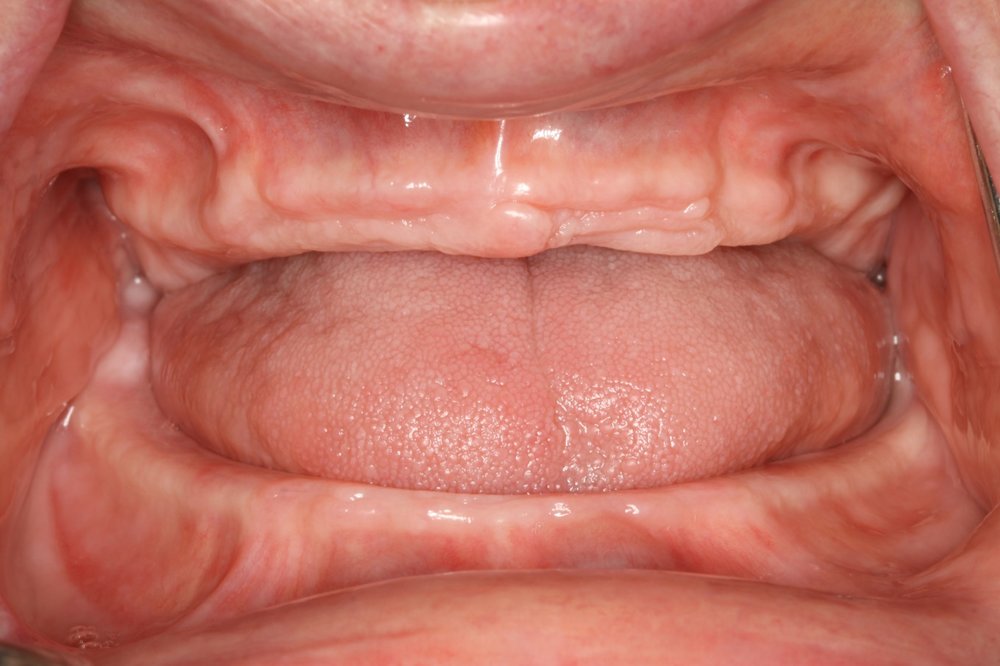
- Bone Loss: Unlike permanent dentures, traditional dentures do not prevent bone loss in the jaw, which can result in changes to facial structure over time.
- Dietary Restrictions: Due to the reduced stability, certain foods may need to be avoided or cut into smaller pieces to prevent dislodging the dentures.You wont face this problem with dental implant dentures.
Section 3: Making the Right Choice for You Choosing between implant-supported dentures and traditional dentures depends on various factors, including your oral health, budget, and personal preferences. It is advisable to consult with a qualified dentist or prosthodontist who can assess your specific situation and provide professional guidance.
In general, implant-supported dentures are an ideal choice for individuals seeking superior stability, long-term jawbone preservation, and enhanced comfort. However, if affordability and a non-invasive solution are primary considerations, traditional dentures may be a suitable option.
Conclusion: permanent dentures and traditional dentures each have their advantages and considerations. While implant-supported dentures offer increased stability, improved comfort, and jawbone preservation, traditional dentures are often a more affordable and non-invasive choice. Ultimately, the decision between the two depends on individual circumstances and personal preferences. By consulting with a dental professional, you can make an informed choice that restores your smile and boosts your confidence. Remember, a healthy and beautiful smile is within reach, regardless of the option you choose.
Our all-inclusive pricing for implants is very competitive compared to all reliable implant centers in Chicago. We understand the challenges faced to pay for premium quality dental implant dentures care and for the same reason we provide zero percent or minimal interest rates financing to make the process affordable. Schedule a free consultation online today or call us at (331) 257-7999 to know more about permanent dentures in your case. Many patients researching their options find that Those interested in long‑term tooth replacement often learn about modern Implant Cost solutions when researching treatment.
Patients comparing implant-supported dentures with traditional dentures are often navigating ongoing frustrations with comfort and stability. Many have already experienced issues like slipping appliances, sore spots, or the inconvenience of adhesives that don’t always provide reliable hold. These challenges can affect confidence in everyday situations, from eating in public to speaking clearly in conversations. As expectations shift toward solutions that feel more secure and natural, patients begin to look beyond basic functionality and consider options that better fit an active and social lifestyle.
From a treatment perspective, the key distinction lies in how support is achieved. Traditional dentures rely entirely on the gums and underlying bone, which can gradually change shape over time, affecting fit. Implant-supported dentures, however, are anchored to strategically placed implants, providing a more stable foundation and improved chewing efficiency. This added support can reduce pressure on soft tissues and may help slow down bone loss. The design can vary, with some options being removable for cleaning while others are fixed in place, offering a more permanent feel. Each approach requires careful planning to ensure proper alignment, retention, and long-term comfort.
When deciding between these options, patients should consider both practical and long-term factors. Bone quality, budget, and willingness to undergo minor surgical procedures can influence suitability for implant-supported solutions. At the same time, personal habits, such as oral hygiene routines and follow-up care, play a crucial role in maintaining results. For some, starting with traditional dentures may be a temporary step before transitioning to implants later. A clear understanding of benefits, limitations, and lifestyle compatibility helps patients choose an option that supports both immediate comfort and future oral health stability.
For many patients dealing with significant tooth loss, the daily reality goes beyond aesthetics—it affects confidence, nutrition, and social comfort. Someone who has worn traditional dentures for years may feel frustrated with slipping appliances, difficulty chewing certain foods, or sore spots that never fully resolve. Others who are newly exploring tooth replacement options may feel overwhelmed by the choices available. In both cases, lifestyle plays a major role; active individuals or those who frequently speak in public often seek a more secure and natural-feeling solution that aligns better with their daily demands and long-term expectations.
From a clinical perspective, the difference between implant-supported dentures and traditional dentures lies in how forces are distributed and how stability is achieved. Implant-supported options anchor directly into the jawbone, which helps preserve bone density over time and reduces the progressive shrinkage commonly seen with conventional dentures. This structural support can improve bite efficiency and allow for a more varied diet. Additionally, advancements in digital planning and guided implant placement have made these procedures more precise and predictable, enabling dentists to tailor treatment based on bone quality, anatomy, and patient-specific functional goals.
Choosing between these options often comes down to candidacy and priorities rather than a one-size-fits-all answer. Patients with sufficient bone volume and good overall health may be strong candidates for implants, while others might require preparatory procedures or opt for traditional dentures due to budget or medical considerations. Personal expectations also matter—those seeking long-term stability and reduced maintenance may lean toward implant-supported solutions, while others may prioritize simplicity and lower upfront costs. A thorough consultation helps align treatment with both clinical needs and the patient’s lifestyle, ensuring a decision that feels both practical and sustainable.