
Introduction:
This is David and I am a dental implant educator at Chicago Implant Studio. I noticed that our dental implant patients are always curious about and want to know more about “Implant-supported dentures, also known as implant overdentures, vs. traditional dentures”
Stability and Comfort:
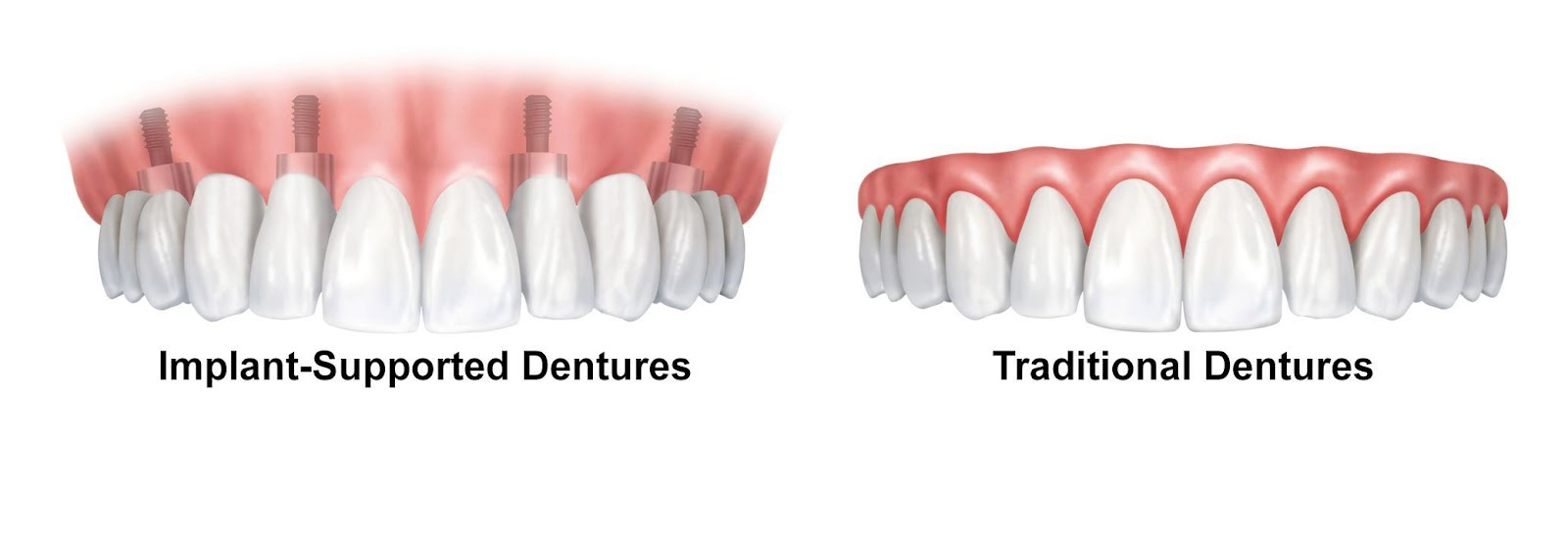
Implant overdentures are anchored securely to dental implants that are surgically placed into the jawbone. This integration creates a strong foundation that eliminates the worry of slippage or clicking sounds commonly associated with traditional dentures. Unlike traditional dentures, which rely on adhesive creams or natural suction, implant-supported dentures offer superior stability and comfort, allowing you to speak, chew, and smile with confidence.
Bone Preservation:
One significant advantage of Implant overdentures vs. traditional dentures is their ability to preserve jawbone health. When teeth are lost, the jawbone begins to deteriorate due to the lack of stimulation. Traditional dentures do not address this issue. However, dental implants used in implant-supported dentures act as artificial tooth roots, stimulating the jawbone and preventing bone loss. This not only maintains facial structure but also promotes long-term oral health.
Aesthetics and Functionality:
Implant overdentures closely mimic the look and function of natural teeth. The replacement teeth are custom-made to match the color, shape, and size of your existing teeth, providing a seamless and natural appearance. Traditional dentures, while effective at restoring the basic function of chewing and speaking, may not offer the same level of aesthetic appeal.
Oral Health:
Proper oral hygiene is crucial for maintaining oral health, regardless of the type of denture you choose. However, Implant overdentures vs. traditional dentures offer advantages in this regard. They can be easily removed for cleaning, allowing you to brush and floss them separately. Traditional dentures, on the other hand, require soaking and brushing outside the mouth, which can be more time-consuming and less convenient. When reviewing permanent tooth replacement options, For a deeper understanding of treatment steps and benefits, visit our guide to All-on-4 Dental Implants for missing teeth.
Durability and Longevity:
Implant-supported dentures are renowned for their durability and longevity. With proper care and regular dental check-ups, they can last for many years, if not a lifetime. Traditional dentures, while durable, may require relining or replacement over time due to normal wear and changes in the jawbone structure.
Conclusion:
When choosing between implant overdentures and traditional dentures, it is essential to consider factors such as stability, comfort, aesthetics, oral health, and longevity. While traditional dentures remain a viable choice for many individuals, implant-supported dentures offer a more secure and natural-feeling solution that can enhance your overall quality of life.
To determine the best option for you, consult with an experienced dentist who can assess your unique needs and provide personalized recommendations. Remember, making an informed decision based on professional advice will ensure that you achieve a beautiful, functional, and confident smile for years to come.
Meet the Best Dental Implant Surgeon at Chicago Implant Studio
Chicago Implant Studio is a reputable dental implant clinic in Aurora, Illinois. Find out how dental implants can improve your life and overall health. We offer an international warranty on dental implants for a lifetime. Schedule a free consultation online today or call us at (331) 257-7999 to find more about the implant overdentures.
Chicago Implant Studio is a specialty dental implant office that provides implant overdentures in Aurora, Naperville, Plainfield, Batavia, Joliet, Bolingbrook, Yorkville, Oswego, Montgomery, North Aurora, Illinois (IL).
Choosing between implant-supported dentures and traditional dentures often comes down to daily comfort and lifestyle expectations. Many patients who have worn conventional dentures for years become accustomed to minor inconveniences like slipping, adhesive use, or avoiding certain foods. However, over time, these small challenges can affect confidence in social settings and overall quality of life. On the other hand, those exploring implant-supported options are usually looking for a more stable and natural-feeling solution but may feel uncertain about the commitment involved.
From a treatment perspective, the key difference lies in how each option interacts with the jawbone. Traditional dentures rest on the gums and rely on suction or adhesives, which can lead to gradual bone shrinkage due to lack of stimulation. Implant-supported dentures, however, are anchored to implants placed in the jaw, allowing for improved force distribution during chewing. This not only enhances stability but may also contribute to better bone preservation over time. Additionally, implant-supported systems can be designed as removable or fixed solutions, offering flexibility depending on the patient’s needs and oral condition.
When evaluating both options, patients should think beyond immediate comfort and consider long-term outcomes. Factors such as bone density, budget, maintenance preferences, and overall health all influence which solution is more suitable. Some individuals may start with traditional dentures and transition later, while others may qualify for implants from the beginning. A personalized consultation helps align expectations with clinical realities, allowing patients to choose a path that supports both function and confidence in the years ahead.