

In This Article
Introduction:
This is David and I am a dental implant educator at Chicago Implant Studio. In this article I will go over one of the common topics that get answered by our board certified implant specialist for the patients Exploring Dental Implants as a Solution
Understanding Dental Phobia:
Dental phobia is an intense fear or anxiety related to dental visits, treatments, or procedures. It can stem from various factors, including a negative past dental experience, fear of pain, or a sense of loss of control. This phobia often leads to avoidance of dental care, which can result in deteriorating oral health and further dental complications.
Dental Implants: A Solution for Missing Teeth:
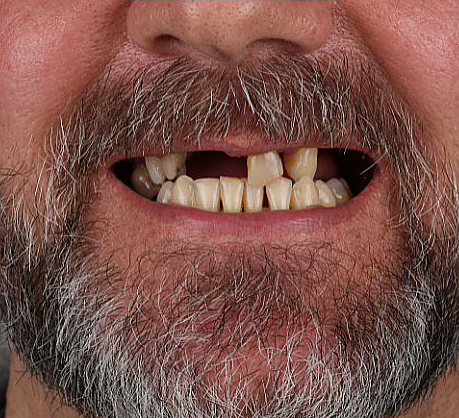
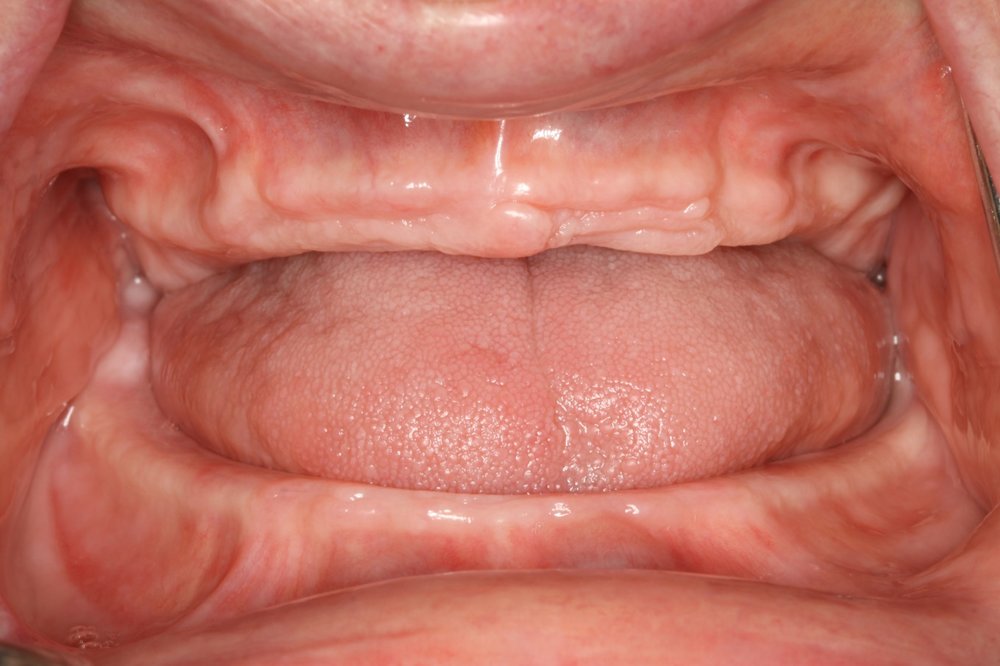
Dental implants are widely regarded as the gold standard solution for replacing missing teeth. These titanium or ceramic posts are surgically placed in the jawbone, serving as artificial tooth roots. They provide a strong foundation for a custom-made dental crown, bridge, or denture. Dental implants offer numerous advantages, including improved oral function, aesthetics, and long-term durability.
Overcoming Dental Phobia for Implant Procedures:
- Open Communication with Your Dentist: The first step in overcoming dental phobia is establishing open communication with your dentist. Discuss your fears and concerns, allowing them to understand your anxiety levels. A caring and understanding dentist will be able to tailor the treatment approach to accommodate your needs, providing reassurance and guidance throughout the process.
- Sedation Dentistry: Sedation dentistry techniques can be employed to alleviate anxiety during dental implant procedures. Options such as oral sedation, intravenous sedation, or nitrous oxide can induce relaxation and reduce discomfort. These techniques are administered under professional supervision, ensuring your safety and comfort throughout the treatment.
- Gradual Desensitization: For individuals with severe dental phobia, gradual desensitization can be employed as an effective technique. This involves a series of shorter dental appointments leading up to the implant procedure, allowing you to gradually build trust and confidence in the dental environment. The dentist will work at a pace that suits your comfort level, ensuring a gradual transition toward receiving dental implants.
- Psychological Support: Seeking psychological support can significantly help individuals with dental phobia. Professional therapists or psychologists specializing in dental anxiety can employ various techniques, such as cognitive-behavioral therapy (CBT), to help manage and overcome dental fears. These strategies can equip you with coping mechanisms and techniques to navigate dental procedures with reduced anxiety.
Conclusion:
Dental phobia should not deter you from exploring dental implant options to restore your smile and oral health. With advancements in dentistry and a focus on patient comfort, dental professionals are well-equipped to address and accommodate your fears. By establishing open communication, considering sedation dentistry, exploring gradual desensitization, and seeking psychological support, individuals with dental phobia can overcome their fears and confidently undergo dental implant procedures.
If you are experiencing dental phobia, consult with a compassionate and experienced dentist who specializes in treating anxious patients. Together, you can develop a personalized treatment plan that considers your unique needs, ensuring a comfortable and successful dental implant experience. Remember, dental implants offer a life-changing solution that can restore your smile and improve your overall well-being. Don’t let dental phobia hold you back from achieving the smile you deserve.
Meet the Best Dental Implant Surgeon at Chicago Implant Studio
Chicago Implant Studio is a reputable dental implant clinic in Aurora, Illinois. Find out how dental implants can improve your life and overall health. We offer an international warranty on dental implants for a lifetime. Schedule a free consultation online today or call us at (331) 257-7999.