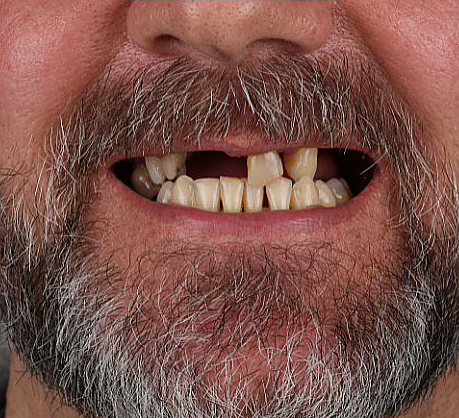

This is David and I am a dental implant educator at Chicago Implant Studio. One of the most common questions I get from our patients at their dental implant consultation session is “What is Pre-Prosthetic Surgery? And what are the Reasons for Pre-Prosthetic Surgery?” For a deeper explanation of the implant procedure and restoration options, visit our guide to Aurora dental implant specialist.
Pre-prosthetic surgery is an integral part of the journey towards achieving a comfortable and functional dental prosthetic. As the name suggests, it is a preparatory step that ensures your mouth is ready to receive a dental prosthetic such as dentures or implants. This article will delve into the specifics of pre-prosthetic surgery, its significance, and what patients can expect during the procedure.
Understanding Pre-Prosthetic Surgery
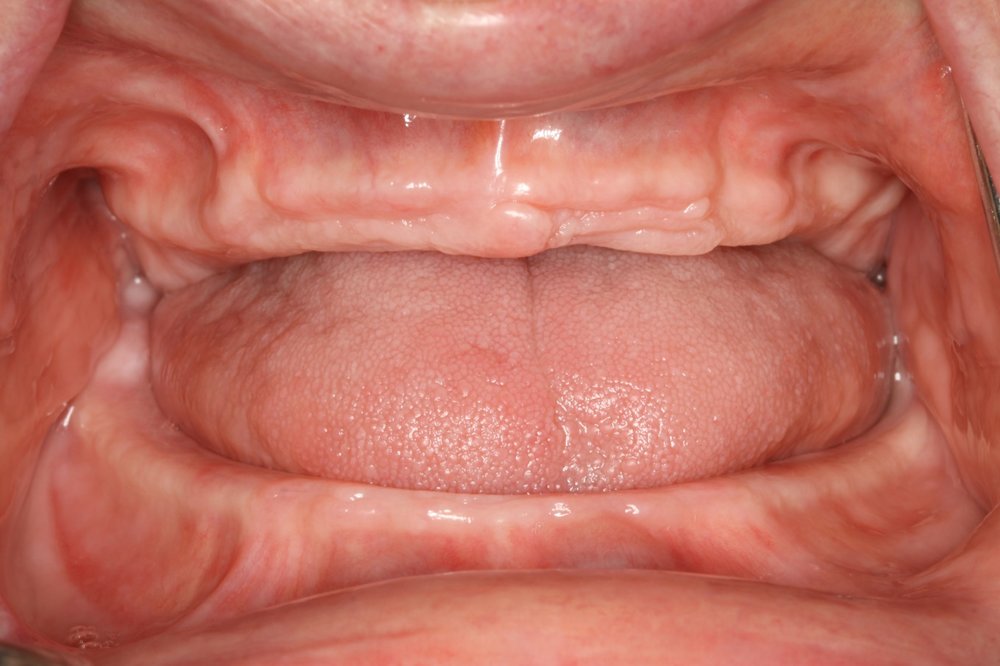
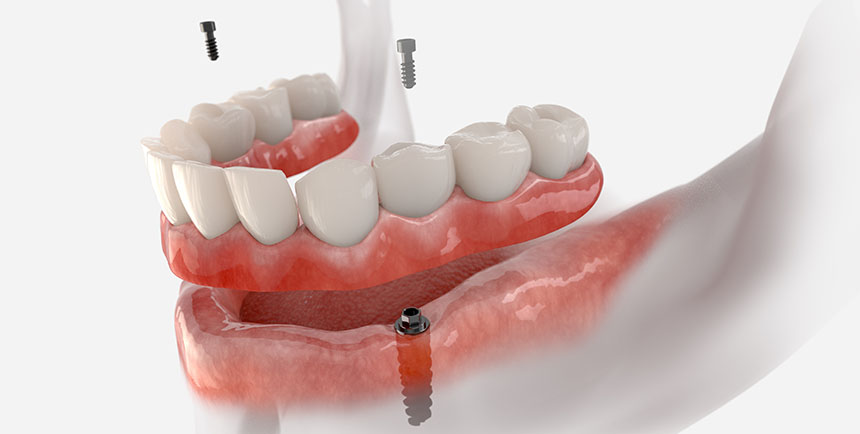
Pre-prosthetic surgery involves surgical preparation of the mouth before the placement of a prosthesis. The primary goal of this surgery is to ensure that a dental prosthetic fits comfortably, functions efficiently, and appears aesthetically pleasing. The procedures involved can vary based on the individual’s oral health status and the type of prosthetic being considered.
Reasons for Pre-Prosthetic Surgery
Several conditions might necessitate pre-prosthetic surgery:
- Bone Ridge Augmentation: This procedure is performed to improve the size or shape of the jawbone where the prosthesis will be placed.
- Removal of Excess Bone or Tissue: Sometimes, additional bone or soft tissue may need to be removed to ensure a proper prosthetic fit.
- Exposure of Impacted Teeth: In some cases, impacted teeth may need to be exposed or removed before prosthetic placement.
- Improving the Health of Gum Tissue: If gum disease is present, treatment may be required to improve the health of the gum tissue before prosthetic placement. If you are comparing restorative options, Patients seeking reliable solutions for missing teeth frequently visit our page on implant treatment in St Charles IL.
The Pre-Prosthetic Surgery Process
Though the specific procedures involved can vary, the general steps of pre-prosthetic surgery include:
- Consultation and Planning: The oral surgeon will conduct a thorough examination, which may include X-rays, to assess your oral health and plan the necessary procedures.
- Surgery: The specific surgical procedures will depend on your individual needs, but can include bone ridge augmentation, removal of excess bone or tissue, or treatment of gum disease.
- Recovery and Follow-up: After the surgery, you will be given instructions for post-operative care to ensure a smooth recovery. Follow-up visits will be scheduled to monitor your healing and prepare for the next steps towards your prosthetic placement.
Conclusion
Pre-prosthetic surgery is an essential part of the journey towards a successful dental prosthetic placement. By preparing the mouth for the prosthetic, this surgery ensures the comfort, function, and aesthetics of your future smile. Always consult with a dental professional to understand if pre-prosthetic surgery is necessary for your specific case.
If you are looking for state-of-the-art single and multiple tooth to full jaw All-on-4 dental implants, schedule a no-obligation free consultation with Chicago Implant Studio dental implant experts. Schedule a free consultation online today or call us at (331) 257-7999. When comparing dental implant procedures, Those interested in long‑term tooth replacement often learn about Same Day Teeth Implants when researching treatment.
A patient preparing for dentures or dental implants may first discover that their jaw structure is not immediately ready to support a stable restoration. Years of tooth loss, gum disease, or uneven healing after extractions can leave the bone irregular or reduced in volume. This often leads to frustration, as patients are eager to restore their smile but find that their mouth needs additional preparation before final treatment can begin. In daily life, this may already be affecting chewing efficiency and facial support, making early planning essential.
From a clinical perspective, pre-prosthetic surgery is designed to create a more stable and predictable foundation for future dental restorations. This can involve reshaping bone, removing excess tissue, or smoothing irregular ridges that could interfere with the fit of dentures or implants. In some cases, small areas of bone may be augmented to improve support and alignment. The goal is not only to prepare the mouth mechanically but also to enhance long-term comfort, reduce pressure points, and improve the overall success rate of prosthetic treatments. Precision in this stage often determines how well the final restoration performs.
When evaluating candidacy, dentists consider the patient’s current oral anatomy, healing capacity, and the type of prosthetic solution planned. Individuals with significant bone irregularities or soft tissue complications are often stronger candidates for this preparatory phase. On the other hand, those with relatively stable oral structures may require minimal or no surgical adjustment. Making an informed decision at this stage is important because proper preparation can prevent future discomfort, improve function, and ensure that the final restoration feels natural and secure in everyday use.