
The Pros and cons of dental implants vs dentures
This is David and I am a dental implant educator at Chicago Implant Studio. In this article I will review one of the common questions I get from patients at the consultation appointment with our implant specialist “Pros and cons of dental implants vs dentures”. For a deeper explanation of the implant procedure and restoration options, visit our guide to Aurora dental implant specialist.
When it comes to restoring missing teeth, dental implants and dentures are two popular options to consider. Each option offers its own set of benefits and drawbacks, and it’s essential to understand these factors before making a decision. In this article, we will delve into the pros and cons of dental implants and dentures to help you make an informed choice about the best solution for your oral health needs.
Pros of Dental Implants
- Natural and Permanent Solution: Dental implants are designed to mimic the look and function of natural teeth. They are surgically placed into the jawbone, providing a strong and stable foundation. With proper care, dental implants can last a lifetime, making them a long-term investment.
- Enhanced Chewing and Speaking Abilities: Unlike dentures, dental implants are securely anchored in the jawbone, allowing for improved biting force and stability. This enables individuals to enjoy their favorite foods without restrictions. Additionally, implants do not interfere with speech, providing a more natural and confident speaking experience.
- Preservation of Jawbone and Facial Structure: When a tooth is lost, the underlying jawbone begins to deteriorate. Dental implants stimulate the jawbone, preventing bone loss and preserving facial structure. This helps maintain a more youthful appearance and prevents the sunken facial look that can occur with dentures.
- Easy Maintenance: Dental implants require no special maintenance beyond regular oral hygiene practices, such as brushing, flossing, and routine dental check-ups. There is no need for adhesives or removal, making them convenient and hassle-free.
Pros and Cons of Dental Implants
- Surgical Procedure: Dental implant placement involves a surgical procedure, which may require multiple visits to the dentist’s office. Some individuals may experience temporary discomfort or swelling after the surgery. It is essential to consult with a qualified dental professional to determine if you are a suitable candidate for the procedure.
- Higher Cost: Compared to dentures, dental implants tend to have a higher upfront cost. The cost can vary depending on several factors, including the number of implants needed and any additional procedures required. However, considering their longevity and durability, dental implants can be a worthwhile investment in the long run. For those exploring implant treatment, Patients exploring long-term tooth replacement options can learn more about full mouth dental implants in Naperville and available treatment choices nearby.
Pros of Dentures
- Affordability: Dentures are generally more affordable than dental implants, making them an accessible option for individuals with budget constraints. They offer a cost-effective way to replace multiple missing teeth.
- Non-Invasive: Unlike dental implants, dentures do not require any surgical procedures. The process typically involves taking impressions of the mouth and crafting customized dentures that can be easily inserted and removed as needed.
- Quick Results: Dentures can provide a relatively quick solution for replacing missing teeth. Once the impressions are taken, the dentures can be fabricated within a few weeks, allowing individuals to restore their smile and chewing abilities promptly.
Cons of Dentures
- Stability and Comfort: Dentures rest on the gums and rely on adhesive creams or pastes to hold them in place. While advancements in denture technology have improved their fit and stability, some individuals may experience issues with slipping or discomfort, particularly while eating or speaking.
- Decreased Chewing Efficiency: Dentures can affect the biting force, making it challenging to eat certain foods. Hard, sticky, or chewy foods may need to be avoided or consumed with caution.
- Bone Resorption: Unlike pros and cons of dental implants, dentures do not provide stimulation to the jawbone, which can lead to bone resorption over time. This can result in changes in the fit of the dentures, necessitating adjustments or replacements. For those evaluating implant treatment options, If you want to understand implant procedures and candidacy, review our information on advanced Implant Cost.
Conclusion
The choice between dental implants and dentures depends on individual needs, preferences, and budget. Dental implants offer a permanent and natural solution with superior chewing and speaking abilities, but they come with a higher upfront cost and require a surgical procedure. Dentures, on the other hand, are affordable, non-invasive, and provide quick results, but they may lack the stability and chewing efficiency of implants.
To determine the best option for your oral health, consult with a qualified dentist who can assess your specific situation and guide you towards the most suitable treatment. Remember, a healthy and beautiful smile is within your reach with the right dental restoration choice.
Our all-inclusive pricing for implants is very competitive compared to all reliable implant centers in Chicago. We understand the challenges faced to pay for premium quality dental implant care and for the same reason we provide zero percent or minimal interest rates financing to make the process affordable. Schedule a free consultation online today or call us at Exploring Dental Implants vs. Dentures: Pros and Cons – Make an Informed Choice for Your Oral Health. Discover the advantages and drawbacks of dental implants and dentures to decide which option suits your needs best. Learn more today! To find implants vs dentures difference in your specific case.
For many people facing tooth loss, the decision between dental implants and dentures often comes after trying to adapt to daily limitations. Some may have worn removable dentures for years and feel frustrated by instability while eating or speaking, while others are newly exploring their options and want to avoid those challenges altogether. Lifestyle plays a major role here—patients who are socially active or enjoy a varied diet tend to prioritize solutions that feel secure and natural. At the same time, budget, treatment timeline, and comfort with surgical procedures can shape how individuals approach this choice.
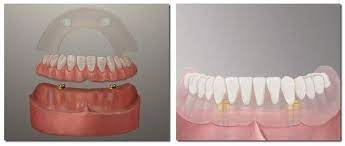
From a clinical perspective, the difference between implants and dentures extends beyond surface-level function. Implants interact with the jawbone, helping maintain bone volume and facial structure over time, whereas traditional dentures rely on the gums for support and may accelerate bone resorption. Dentures, however, can still be a practical option in cases where bone density is limited or when patients prefer a non-surgical approach. Advances such as implant-supported overdentures now bridge the gap, offering improved retention without requiring a full set of implants. Each option comes with its own maintenance considerations, from daily removal and cleaning to long-term oral hygiene routines.
When deciding between these solutions, patients should think beyond immediate convenience and consider how their needs may evolve over time. Factors like age, overall health, and willingness to invest in a long-term solution can influence the final decision. Some individuals may start with dentures and later transition to implants, while others may choose implants upfront for greater stability. A personalized evaluation helps align expectations with clinical possibilities, ensuring the chosen treatment supports both functional comfort and confidence in everyday life.