
This is David and I am a dental implant educator at Chicago Implant Studio. One of the most common questions I get from our patients at their dental implant consultation session is “What is Ridge Augmentation and Why is Ridge Augmentation Necessary?“ Many people considering implant treatment review our page on dental implant solutions in Aurora to see available procedures and outcomes.
Ridge augmentation is a surgical procedure that involves rebuilding the contours of the gums and jawbone to create a suitable foundation for dental implants or other restorative procedures. This is often necessary following tooth extraction or bone loss due to periodontal disease. In this article, we explore what ridge augmentation is, why it is performed, and what the procedure entails.
Understanding Ridge Augmentation
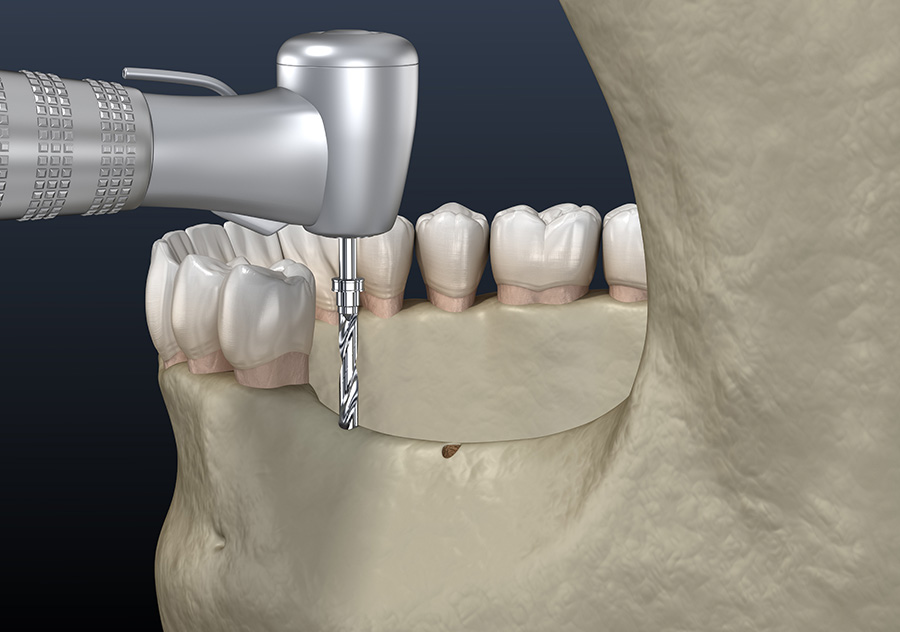
Ridge augmentation, also known as bone grafting for the jawbone, is a procedure designed to restore the natural contour of the gums and jaw that may have been lost due to tooth extraction, trauma, or disease. It involves placing bone graft material into the tooth socket immediately after tooth extraction to help your body fill in the empty socket with bone. This procedure helps prevent jawbone deterioration that occurs when a tooth is removed.
Why is Ridge Augmentation Necessary?
Ridge augmentation is often necessary for the following reasons:
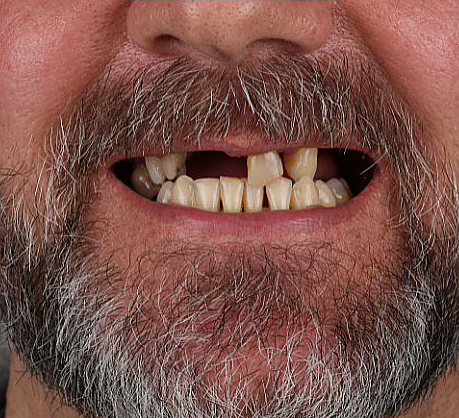
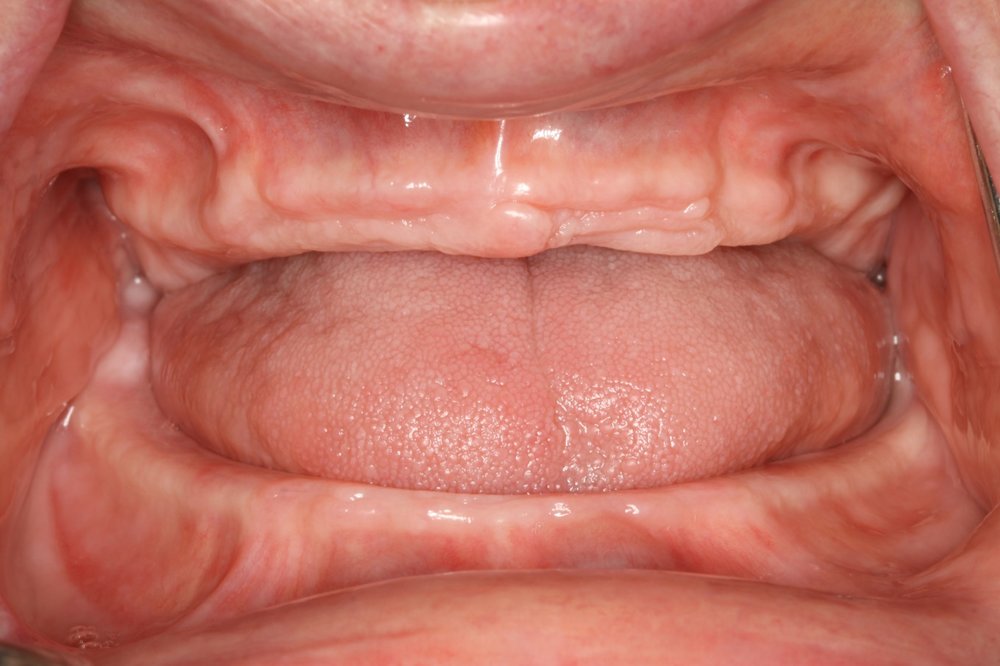
- Tooth Extraction: After a tooth is extracted, the empty socket often shrinks both vertically and horizontally. This can lead to a ridge that is too thin or too short to support a dental implant.
- Bone Loss: Conditions like periodontal disease or trauma can lead to bone loss, changing the contour of the jaw and gum line.
- Aesthetic Reasons: Sometimes, ridge augmentation is performed for aesthetic reasons to improve the appearance of the mouth and face, particularly when tooth loss has led to a sunken appearance. Before starting treatment, many patients review Many people considering dental implants review information about dental implants in St Charles IL before starting treatment.
The Ridge Augmentation Process
The ridge augmentation process typically involves the following steps:
- Consultation and Planning: An initial consultation with an oral surgeon is necessary to assess your oral health, take X-rays, and plan the procedure.
- Surgery: The oral surgeon will expose the bone defect and place the bone graft material, which could be derived from your body or a donor, or be synthetic. The graft material acts as a scaffold for new bone to grow on.
- Healing: The area is then covered with a protective membrane and stitched closed. Over the next several months, your body will grow new bone and tissue around the graft.
- Dental Implant Placement: Once the healing process is complete and the new bone has matured, dental implants can be placed.
Conclusion
Ridge augmentation is a valuable procedure for preserving the jawbone’s integrity and preparing for successful dental implant placement. By rebuilding the bone’s natural contour, it improves both the functionality and aesthetics of your smile. If you’re considering dental implants and need a ridge augmentation procedure, consult with a dental professional to understand the process fully. If you are learning about modern dental solutions, If you want to understand implant procedures and candidacy, review our information on Same Day Teeth Implants for missing teeth.
If you are looking for state-of-the-art single and multiple tooth to full jaw All-on-4 dental implants, schedule a no-obligation free consultation with Chicago Implant Studio dental implant experts. Schedule a free consultation online today or call us at (331) 257-7999.
A patient preparing for dental implants may be surprised to learn that their jawbone does not have enough width or height to support a stable restoration. This situation often develops gradually after tooth loss, especially when the area has not been stimulated for a long period. Some patients also notice changes in facial support or gum contour, which can affect both appearance and confidence. In everyday life, this may translate into difficulty chewing certain foods or feeling that their smile looks uneven.
From a clinical perspective, ridge augmentation is a procedure designed to rebuild and reshape areas of the jawbone that have deteriorated. Using grafting materials, the dentist restores lost volume and helps recreate a more natural ridge form that can properly support implants. Over time, the graft integrates with the existing bone, improving both strength and stability. In some cases, membranes or specialized techniques are used to guide bone regeneration and protect the grafted area during healing. This step is essential because implant success depends heavily on the quality and quantity of bone available at the site.
When considering ridge augmentation, patient selection plays a key role in treatment planning. Individuals with moderate to severe bone loss are often strong candidates, especially if they are committed to restoring missing teeth with implants. However, factors such as smoking habits, uncontrolled systemic conditions, or poor oral hygiene can influence healing outcomes and must be carefully evaluated. Choosing to undergo this procedure is often part of a larger restorative plan, and patients who prioritize long-term function and stability tend to benefit the most from this preparatory approach.