
This is David, and I am a dental implant educator at Chicago Implant Studio. One of the most common questions I get from our patients at their dental implant consultation is “What is a sinus lift, and why is a sinus lift necessary?” Those interested in modern restorative dentistry can learn more about the Aurora dental implant specialist and how implants restore function.
A sinus lift is a surgical procedure that adds bone to your upper jaw in the area of your molars and premolars to make it possible to place dental implants. This is often necessary when the bone in the upper jaw is not thick enough or the sinuses are too close to the jaw for dental implants to be placed. This article will explain what a sinus lift is, why it’s performed, and what the procedure involves.
Understanding a Sinus Lift
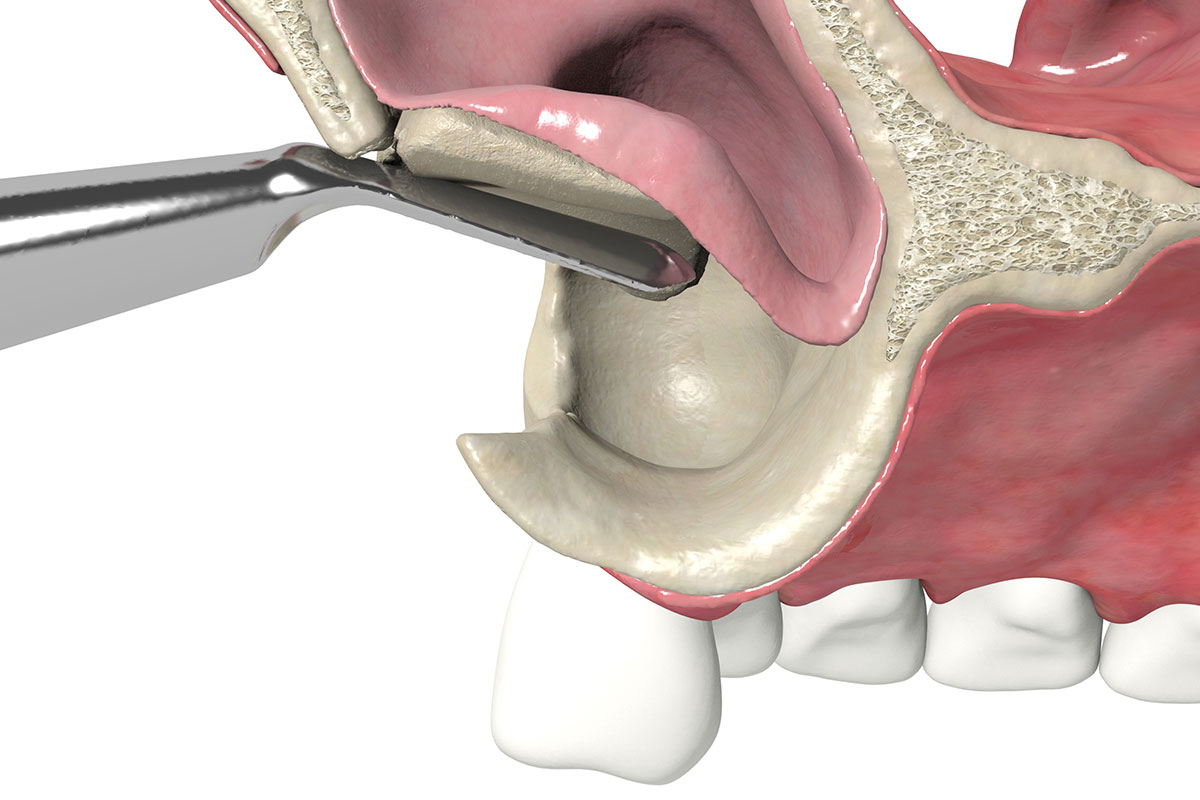
A sinus lift, also known as sinus augmentation, is a surgical procedure that adds bone to the upper jaw in the area of the molars and premolars to prepare for dental implants. The bone is added between your jaw and the maxillary sinuses, which are on either side of your nose. To make room for this bone, the sinus membrane has to be moved upward, or “lifted”.
Why is a Sinus Lift Necessary?
A sinus lift is needed when there is not enough bone height in the upper jaw or the sinuses are too close to the jaw for dental implants to be placed. There are several reasons for this:
- Tooth Loss: When teeth are lost, bone loss often occurs too. This is because the bone is no longer being stimulated by the forces of chewing.
- Sinus Size: The size and shape of the sinuses vary from person to person. Some people naturally have larger sinuses that extend into the upper jaw.
- Bone Loss: Conditions like periodontal disease can cause bone loss. In addition, bone loss can occur as a result of aging. Patients interested in advanced restorative care often explore You can understand procedures, healing time, and benefits by visiting our page about tooth implants in St Charles.
The Sinus Lift Process
The sinus lift procedure involves the following steps:
- Consultation and Planning: An initial consultation with your oral surgeon will be scheduled to assess your oral health, take X-rays, and plan the procedure.
- Surgery: The oral surgeon will cut the gum tissue, lift it up to expose the bone, and cut a small window into the bone. The sinus membrane is then lifted, and the space is filled with bone graft material.
- Healing: The surgical site will be stitched up, and the healing process begins. It can take several months for the bone graft to integrate with the existing bone.
- Dental Implant Placement: Once healing is complete and the new bone is established, dental implants can be placed.
Conclusion
A sinus lift is a beneficial procedure that allows for the successful placement of dental implants in patients who may not have been candidates due to insufficient bone or large sinuses. With advanced surgical techniques and materials, sinus lifts have become a routine and predictable procedure in implant dentistry.
If you’re considering dental implants and have been told you require a sinus lift, consult with a dental professional to understand the procedure fully. For patients researching implant treatment, many individuals considering permanent tooth replacement read about same day teeth implants before beginning treatment.
If you are looking for state-of-the-art single and multiple tooth to full jaw All-on-4 dental implants, schedule a no-obligation free consultation with Chicago Implant Studio dental implant experts. Schedule a free consultation online today or call us at (331) 257-7999.
A patient exploring dental implants in the upper back jaw often discovers that there isn’t enough natural bone height to securely support an implant. This usually becomes evident after tooth loss has gone untreated for a long time, or when natural bone resorption occurs over the years.
Some individuals may also experience this limitation after wearing upper dentures, which gradually reduces bone stimulation. As a result, they may feel frustrated when told that implants are not immediately possible without additional preparation.
From a clinical perspective, a sinus lift procedure is designed to create the necessary bone volume in the upper jaw by gently elevating the sinus membrane and placing bone graft material in the newly created space. This allows the body to regenerate bone in an area where natural support is insufficient.
Over time, the graft integrates with existing bone, forming a stronger foundation for future implant placement. Careful imaging and planning are essential because the sinus anatomy varies from patient to patient, and precision helps avoid complications while ensuring long-term stability of the implant site.
When evaluating candidacy for a sinus lift, several factors come into play, including the degree of bone loss, the position of the sinuses, and overall oral health. Patients with significant bone deficiency are often considered suitable candidates, especially if they are committed to implant-based restoration.
However, individuals with active sinus conditions or uncontrolled health issues may require additional medical management before proceeding. Making the right decision involves balancing surgical preparation with long-term restorative goals, ensuring that the final implant is both functional and durable in a challenging anatomical region.