

This is David, and I am a dental implant educator at Chicago Implant Studio. One of the most common questions I get from our patients at their dental implant consultation session is “What are Tooth Extractions? and What are the Benefits of Non-Invasive Tooth Extractions?” Patients seeking reliable solutions for missing teeth frequently review our resource on the Aurora dental implant specialist page.
Tooth extractions, a common dental procedure, have evolved significantly over the years, with advancements leading towards non-invasive techniques. These procedures aim to remove teeth with minimal discomfort and quicker healing times. This article delves into the world of tooth extractions, particularly non-invasive extractions, their benefits, and what the procedure entails.
What are Tooth Extractions?
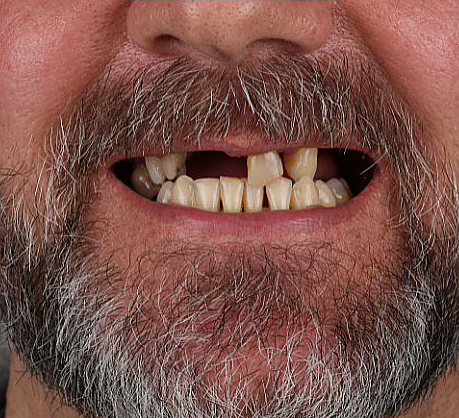
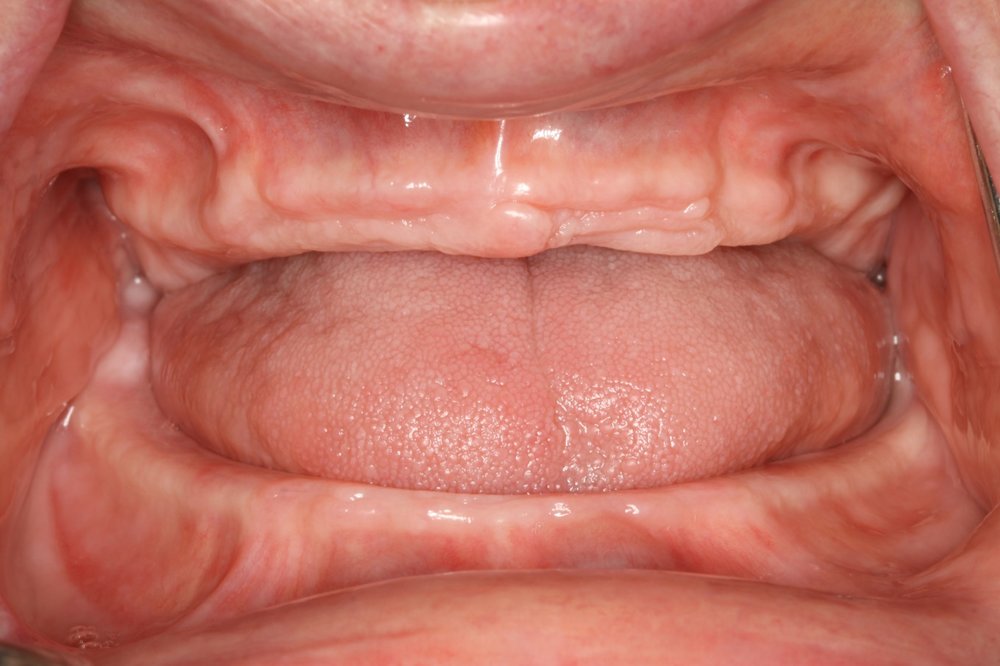
Tooth extractions are dental procedures that involve removing a tooth from its socket in the jawbone. Extractions are often required when a tooth is damaged beyond repair or when severe tooth decay, gum disease, or overcrowding is present. The move towards non-invasive extraction methods has made the process less daunting for patients, providing a more comfortable experience with minimal post-operative complications.
The Non-Invasive Tooth Extraction Procedure
Non-invasive tooth extractions, also known as minimally invasive extractions, utilize modern techniques and tools that allow for the removal of a tooth while causing minimal trauma to the surrounding tissues. The procedure often involves:
- Evaluation: An initial examination and X-rays to assess the condition of the tooth and plan the extraction procedure.
- Local Anesthesia: Local anesthesia is applied to numb the area around the tooth to be extracted, ensuring patient comfort during the procedure.
- Extraction: The dentist uses special tools to gently loosen and remove the tooth, taking care to preserve as much of the surrounding bone and tissue as possible.
- Post-Extraction Care: Instructions for post-extraction care are provided to ensure proper healing and to minimize the risk of complications. When considering long-term tooth replacement, Patients seeking reliable solutions for missing teeth frequently visit our page on tooth implants in St Charles.
Benefits of Non-Invasive Tooth Extractions
- Less Trauma: Non-invasive techniques result in less trauma to the surrounding bone and soft tissues, leading to a more comfortable post-operative experience.
- Faster Healing: With less trauma, the healing process is often quicker and less painful.
- Preservation of Bone: These techniques aim to preserve as much bone as possible, which is particularly important if a dental implant is planned for the future.
- Reduced Risk of Complications: The non-invasive nature of these procedures reduces the risk of complications such as dry socket or infection.
Who Can Benefit from Non-Invasive Tooth Extractions?
Most patients requiring a tooth extraction can benefit from non-invasive techniques. However, the suitability of these methods depends on several factors, including the condition of the tooth and the patient’s overall health. It’s crucial to consult with a dental professional to determine the most appropriate extraction method.
Conclusion
Tooth extractions no longer need to be a source of anxiety. The move towards non-invasive tooth extractions means patients can experience a more comfortable procedure with faster healing times and less post-operative discomfort. If you require a tooth extraction, consult with your dentist about non-invasive options. To better understand dental implant procedures and their treatment steps and benefits, visit our guide to Same Day Teeth Implants.
If you are looking for state-of-the-art single and multiple tooth to full jaw All-on-4 dental implants, schedule a no-obligation free consultation with Chicago Implant Studio dental implant experts. Schedule a free consultation online today or call us at (331) 257-7999.
A patient may reach the point of needing a tooth extraction after persistent pain, infection, or a severely damaged tooth that cannot be restored. In many cases, there is also anxiety tied to the idea of removal, especially if past dental experiences were uncomfortable.
Some individuals delay treatment out of fear, even when the tooth is affecting their ability to eat or concentrate. When they finally seek care, they often look for an approach that minimizes discomfort and preserves as much surrounding tissue as possible.
From a clinical perspective, non-invasive or minimally traumatic tooth extraction techniques aim to gently remove the tooth while protecting the surrounding bone and gum tissue. Specialized instruments and careful manipulation help reduce pressure on adjacent tissues, leading to less swelling and faster healing.
This approach is particularly beneficial when future treatments, such as dental implants, are being considered, as preserving bone volume is critical for successful placement. Dentists also evaluate infection levels and may recommend additional measures, such as socket preservation, to support long-term oral health.
When deciding on tooth extraction, patients should consider both the immediate need and the long-term plan for replacing the missing tooth. Candidates for minimally invasive techniques often have better healing potential and fewer post-procedure complications.
However, factors such as the tooth’s position, the extent of damage, and overall oral health will influence the final approach. Having a clear discussion about next steps—whether it’s an implant, a bridge, or another restoration—helps ensure that the extraction is not just a removal but part of a comprehensive treatment strategy.