
This is David and I am a dental implant educator at Chicago Implant Studio. In this article, I will answer one of the common questions I get from patients at the consultation appointment with our implant specialist about – What are Dental implant aftercare instructions? You can learn about candidacy, treatment planning, and recovery by visiting our page on implant treatment in Aurora IL.
Congratulations on your dental implant aftercare instructions procedure! Dental implants are a remarkable solution for restoring your smile and oral health. To ensure a successful and speedy recovery, it’s crucial to follow proper aftercare instructions. In this article, we will guide you through the essential steps for dental implant aftercare instructions, helping you maintain a healthy and long-lasting dental implant.
Caring for Your Dental Implant Immediately After Surgery
Immediately after your dental implant surgery, it’s important to take extra care to promote healing and minimize discomfort. Follow these instructions:
- Take prescribed medications: Your dentist may prescribe antibiotics or pain relievers to prevent infection and manage any post-surgical discomfort. Take the medications as directed.
- Apply ice packs: Applying ice packs to the outside of your face near the surgical area can help reduce swelling and minimize bruising. Use the ice packs for 15 minutes at a time, with intervals of 15 minutes in between.
- Be cautious with oral hygiene: Brush your teeth gently, avoiding the surgical area. Rinse your mouth with warm saltwater (1/2 teaspoon of salt in 8 ounces of water) after meals to keep the area clean.
Dietary Considerations for Optimal Healing
Your diet plays a crucial role in the healing process. Follow these dietary recommendations:
- Stick to soft foods: For the first few days after surgery, opt for soft and easily chewable foods to avoid putting excessive pressure on the surgical site. Examples include yogurt, mashed potatoes, scrambled eggs, and soups.
- Avoid hard and chewy foods: Stay away from hard, crunchy, or sticky foods that can dislodge the implant or irritate the surgical area. This includes popcorn, nuts, hard candies, and chewing gum.
- Stay hydrated: Drink plenty of water to stay hydrated and promote overall healing. Avoid consuming excessive amounts of hot beverages, as they can disrupt the healing process. Patients interested in advanced restorative care often explore Individuals looking for permanent tooth replacement often explore permanent dental implants in Oswego to compare their options.
Long-term Care for Dental Implants
To maintain the longevity of your dental implant, follow these long-term care instructions:
- Practice good oral hygiene: Brush your teeth twice a day using a soft-bristled toothbrush and a non-abrasive toothpaste. Floss daily, paying close attention to the areas around the implant. Consider using an antimicrobial mouthwash to further reduce the risk of infection.
- Attend regular dental check-ups: Visit your dentist for routine check-ups and professional cleanings. Regular examinations allow your dentist to monitor the health of your implant, detect any issues early on, and provide necessary treatments.
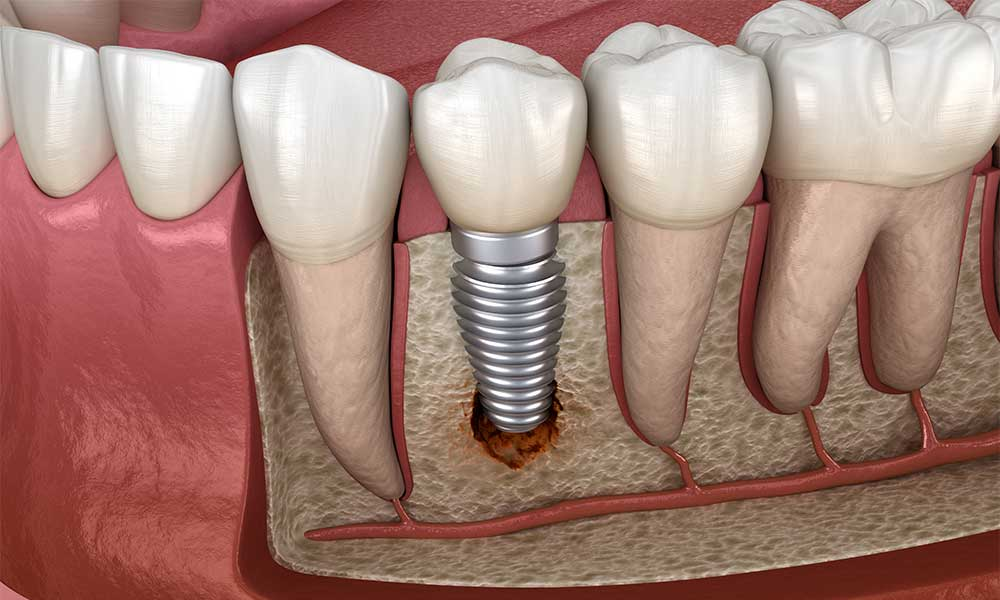
- Avoid damaging habits: Avoid habits like chewing on hard objects (ice, pens, or fingernails) and using your teeth as tools (opening packages). These habits can put unnecessary strain on your implant and compromise its integrity.
Conclusion:
By following these dental implant aftercare instructions, you can ensure a successful recovery and enjoy the benefits of a healthy, functional dental implant for years to come. Remember to consult your dentist for personalized advice based on your specific case. With proper care and regular dental visits, your dental implant will provide a confident smile and improved oral well-being.
Disclaimer: This article is meant for informational purposes only and should not replace professional dental advice. Always consult your dentist for personalized guidance regarding your dental implant aftercare. Many patients researching their options find that People evaluating dental implant options often begin by learning about advanced Snap-In Dentures.
Our all-inclusive pricing for implants is very competitive compared to all reliable implant centers in Chicago. We understand the challenges faced to pay for premium quality dental implant care and for the same reason we provide zero percent or minimal interest rates financing to make the process affordable. Schedule a free consultation online today or call us at (331) 257-7999.
After dental implant surgery, many patients leave the clinic feeling relieved but also a little unsure about what happens next at home. Some notice mild swelling, tightness in the jaw, or slight bleeding when brushing nearby teeth, which can make them anxious even when everything is healing normally. Others may struggle with daily habits like eating, speaking comfortably, or sleeping positions during the first few days. This early recovery phase often shapes how confidently a patient follows their aftercare routine.
From a clinical perspective, the healing process depends heavily on how well the surgical site is protected during the first few weeks. The blood clot formation and early tissue integration are delicate stages, and even small disruptions—such as touching the area with the tongue, using a straw, or applying too much pressure while brushing—can slow healing. Soft tissue response also varies between patients, meaning some may heal quickly while others require more time for gum stabilization. Controlled inflammation is expected initially, but proper hygiene and prescribed rinses help prevent bacterial buildup that could interfere with bone integration around the implant.
When it comes to aftercare compliance, patient behavior plays a major role in long-term implant success. Individuals who follow dietary guidelines, avoid smoking, and attend scheduled follow-ups typically experience more predictable healing outcomes. Candidacy for successful recovery is not only based on the surgical procedure itself but also on how responsibly a patient manages the healing period. Understanding these responsibilities early helps patients make informed decisions and improves the likelihood that the implant will integrate properly and remain stable for years to come.