
This is David and I am a dental implant educator at Chicago Implant Studio. I noticed that our dental implant patients are always curious about and want to know more about What are Dental implant restoration options? You can learn about candidacy, treatment planning, and recovery by visiting our page on advanced dental implants Aurora IL.
- Single-Tooth Dental Implants: If you’re missing a single tooth, a single-tooth dental implant is an ideal choice. This option involves the placement of a titanium implant into the jawbone, acting as a sturdy foundation for an artificial tooth. The crown placed on top of the implant is customized to blend seamlessly with your natural teeth, ensuring a beautiful, functional smile.
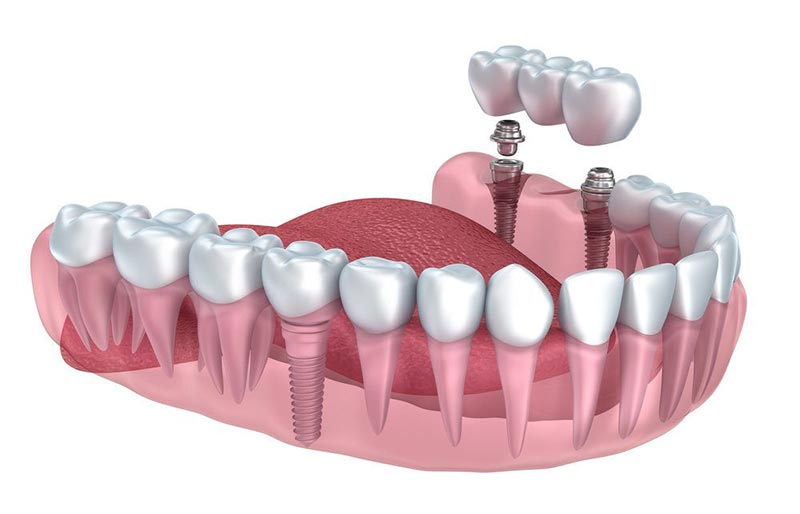
- Implant-Supported Bridges: For patients with multiple adjacent missing teeth, implant-supported bridges offer an effective solution. Instead of relying on neighboring teeth for support, this option utilizes dental implants as anchor points for the bridge. Implant-supported bridges provide stability and prevent bone loss, ensuring a strong and reliable tooth replacement option.
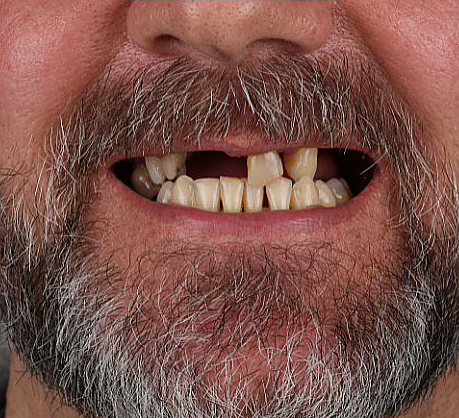
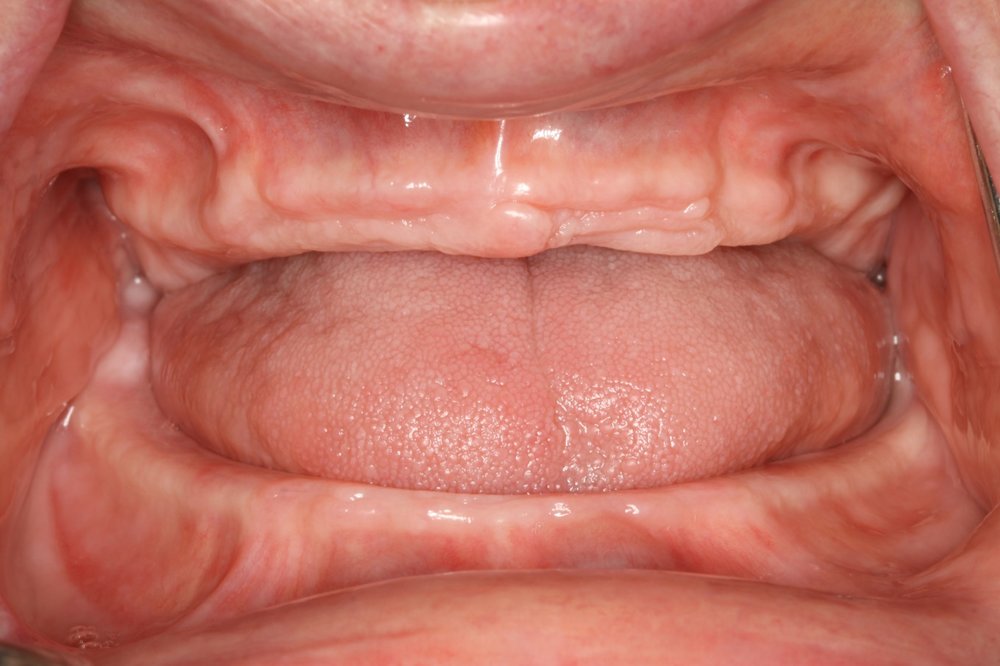
- Implant-Retained Dentures: Dental implant-retained dentures are an excellent choice for individuals missing all or most of their teeth. The Dental implant restoration options combines the stability and strength of dental implants with the convenience of dentures. Implant-retained dentures provide a secure fit, eliminating concerns about slipping or discomfort while speaking or eating. They improve chewing ability, restore facial structure, and boost confidence.
- All-on-4 and All-on-6 Implants: All-on-4 and All-on-6 Dental implant restoration options offer comprehensive solutions for patients with complete tooth loss. These techniques involve the strategic placement of four or six implants per arch, providing a stable foundation for a full set of replacement teeth. All-on-4 and All-on-6 implants are renowned for their immediate functionality, delivering a beautiful smile and improved oral function in a shorter time frame.
- Mini Dental Implants: Mini dental implants are an alternative option for patients who may not qualify for traditional implants due to insufficient bone density or other factors. These smaller-sized implants offer a less invasive procedure, often requiring no sutures or extensive healing time. Mini dental implants can be an effective solution for securing dentures, bridges, or single-tooth replacements.
Conclusion:
Dental implant restoration options have revolutionized the field of dentistry, providing patients with highly functional and natural-looking replacements for missing teeth. Whether you require a single-tooth replacement, bridges, implant-retained dentures, or a full-arch restoration, dental implants offer a long-term solution with remarkable benefits. By consulting with a qualified dental professional, you can determine the most suitable Dental implant restoration options to achieve a healthy, beautiful smile that lasts a lifetime.
Remember, always consult with a trusted dental practitioner to assess your individual needs and explore the best dental implant restoration option for you and always find What are Dental implant restoration options? Invest in your oral health, regain your confidence, and enjoy the multitude of advantages that dental implant restorations offer. When evaluating missing tooth replacement, You can understand procedures, healing time, and benefits by visiting our page about Oswego dental implant treatment.
Meet the Best Dental Implant Surgeon at Chicago Implant Studio
Chicago Implant Studio is a reputable dental implant clinic in Aurora, Illinois. Find out how dental implants can improve your life and overall health. We offer an international warranty on dental implants for a lifetime. Schedule a free consultation online today or call us at (331) 257-7999. When comparing dental implant procedures, If you are exploring tooth replacement solutions, our guide to Snap-In Dentures options explains the available treatment options.
Here are 3 **new, unique, non-repetitive paragraphs (≈300 words total)** written for the *end of your article* with added clinical depth, patient context, and decision-making insights:
—
Many patients considering dental implant restoration options are already living with long-standing tooth loss or previously placed implants that no longer feel stable or functional. In such cases, the main concern is not just replacing missing teeth, but restoring harmony between bite, comfort, and facial balance. Over time, changes in jawbone structure or gum tissue can affect how an existing implant restoration fits, leading patients to seek upgraded solutions that improve both aesthetics and daily function. This stage is often when individuals realize that restoration is not a one-time step, but an evolving part of long-term oral rehabilitation.
From a clinical perspective, implant restorations are designed to re-establish full oral performance through customized components such as crowns, bridges, or full-arch prosthetics. Modern restorative dentistry focuses heavily on precision fit and load distribution, ensuring that chewing forces are evenly absorbed by the implant system. Advanced digital scanning and CAD/CAM technology now allow clinicians to design restorations that closely mimic natural tooth anatomy, improving both durability and bite efficiency. In more complex cases, adjustments in abutment angulation or material selection (such as zirconia or layered ceramics) may be required to achieve long-term stability and reduce wear on surrounding structures.
Choosing the right restoration option depends on several clinical and personal factors, including bone quality, gum health, number of missing teeth, and lifestyle expectations. Patients with strong bone support may benefit from single-unit crowns, while those with multiple missing teeth often require implant-supported bridges or full-arch solutions. Equally important is timing—delayed restoration or improper loading can impact long-term success. Therefore, a thorough evaluation helps determine whether a patient is best suited for a conservative repair, a full replacement, or an upgraded prosthetic design that enhances both function and confidence in daily life.
—