
This is David and I am a dental implant educator at Chicago Implant Studio. One of the most common questions I get from our patients at their dental implant consultation session is What are Dental implant retreatment options?
Dental implants have revolutionized the field of restorative dentistry, offering a durable and aesthetically pleasing solution for tooth loss. However, in some cases, complications may arise, necessitating dental implant retreatment options. In this article, we delve into the world of dental implant retreatment options, exploring the available solutions to ensure optimal oral health.
In This Article
Understanding Dental Implant Complications:
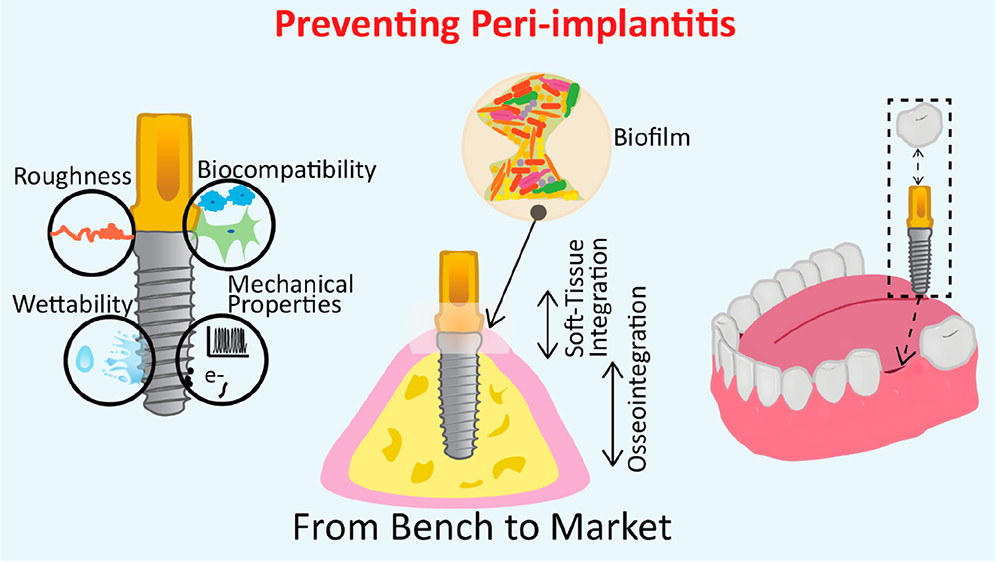
While dental implants boast high success rates, there are instances where complications may occur. Some common issues include implant failure, peri-implantitis (inflammation around the implant), implant mobility, and bone loss. It is crucial to identify these complications promptly to prevent further damage and explore retreatment options.
Implant Removal and Replacement:
In cases of implant failure or mobility, implant removal and replacement may be necessary. This procedure involves removing the affected implant and replacing it with a new one. Before proceeding, a thorough examination is conducted to assess the underlying cause and determine the appropriate replacement technique.
Bone Grafting:
Bone loss around the implant site can compromise the stability of the implant. To address this issue, bone grafting is often recommended. During this procedure, bone graft material, which may be sourced from the patient’s own body or a synthetic source, is placed around the implant area to encourage new bone growth. This reinforces the implant’s foundation, improving its long-term success.
Soft Tissue Augmentation:
Gum recession around dental implants can lead to aesthetic concerns and increase the risk of peri-implantitis. Soft tissue augmentation is a retreatment option that involves grafting gum tissue to restore the natural contour and enhance the appearance around the implant. This procedure not only improves the implant’s aesthetics but also provides protection against further complications.
Peri-implantitis Treatment:
Peri-implantitis, characterized by inflammation and infection around the implant, requires immediate attention. Depending on the severity, treatment options may include non-surgical approaches such as scaling and root planing, localized antimicrobial therapy, and laser treatment. In advanced cases, surgical intervention may be necessary to address the infection and regenerate lost bone tissue.
Comprehensive Oral Care:
Proper oral hygiene and routine dental visits are vital for the long-term success of dental implants. Regular professional cleanings, thorough brushing, and flossing help prevent complications and maintain a healthy oral environment. Dentists may provide personalized recommendations for oral care products and techniques to ensure optimal implant maintenance.
Conclusion:
Dental implant retreatment options play a crucial role in addressing complications associated with dental implants, preserving oral health, and restoring the functionality and aesthetics of the smile. If you are experiencing any issues with your dental implants, it is essential to consult with a qualified dental professional who can diagnose the problem and recommend the most appropriate retreatment option for your specific needs. Remember, early intervention and proactive oral care are key to ensuring the longevity and success of your dental implants.
Our all-inclusive pricing for implants is very competitive compared to all reliable implant centers in Chicago. We understand the challenges faced to pay for premium quality dental implant care and for the same reason we provide zero percent or minimal interest rates financing to make the process affordable. Schedule a free consultation online today or call us at (331) 257-7999.