
This is David and I am a dental implant educator at Chicago Implant Studio. In this article I will answer one of the common questions I get from patients at the consultation appointment with our implant specialist, What are The Disadvantages of a Dental Bridge? You can learn about candidacy, treatment planning, and recovery by visiting our page on dental implants in Aurora IL.
Dental bridges have long been a popular option for replacing missing teeth, offering a reliable and aesthetically pleasing solution. However, like any dental procedure, they come with their own set of disadvantages that should be carefully considered. In this article, we will delve into the potential drawbacks of dental bridges, shedding light on their limitations and providing valuable insights for individuals exploring tooth replacement options. Read on to make an informed decision about your oral health.
Compromised Adjacent Teeth:
One of the primary disadvantages of dental bridges is the alteration and potential damage to adjacent teeth. In order to support the bridge, the adjacent healthy teeth on either side of the gap must be prepared and reshaped, even if they are otherwise healthy. This irreversible alteration can weaken these teeth, making them more susceptible to future dental issues.
Increased Risk of Decay and Gum Disease:
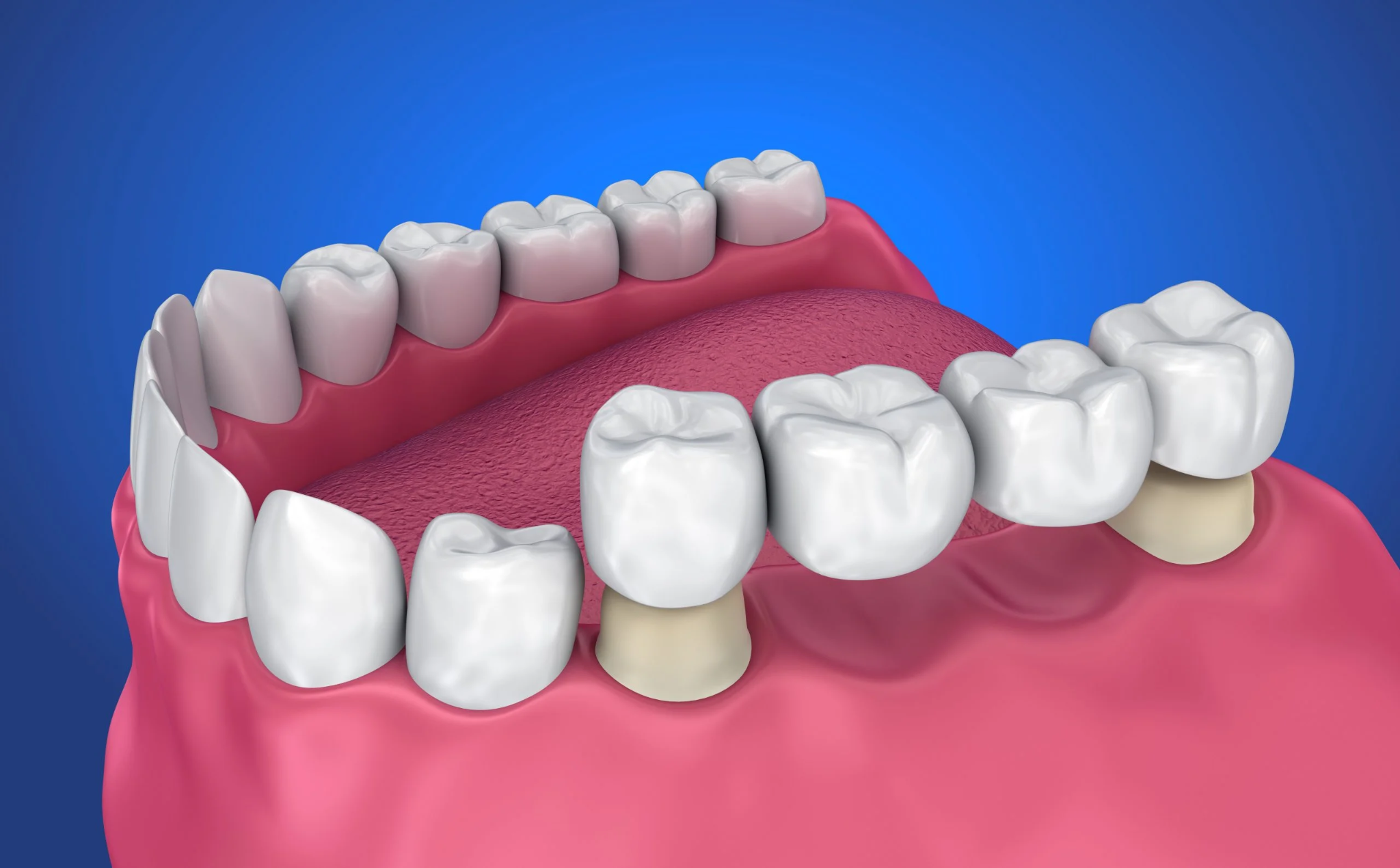
Dental bridges consist of artificial teeth anchored by crowns, creating a space beneath the bridge. This space, known as the pontic, can trap food particles and plaque, increasing the risk of decay and gum disease. Thorough oral hygiene practices, including meticulous cleaning around the bridge, are essential to minimize these risks. Regular dental check-ups and professional cleanings become even more crucial. For those exploring implant treatment, If you want to learn more about candidacy, recovery, and outcomes, see our guide to dental implant solutions in Oswego.
Potential for Bone Loss:
When a tooth is lost, the underlying bone in the jaw may begin to deteriorate over time. While dental bridges fill the gap, they do not stimulate the jawbone in the same way as natural teeth. This lack of stimulation can lead to bone loss, potentially compromising the structure and support of neighboring teeth in the long term.
Limited Lifespan:
Although dental bridges can provide a durable solution, they are not permanent. On average, a dental bridge can last between 5 and 15 years, depending on various factors such as oral hygiene practices, diet, and general oral health. Eventually, the bridge may require replacement or repair, which can incur additional costs and inconvenience. When reviewing permanent tooth replacement options, If you want to understand implant procedures and candidacy, review our information on Snap-In Dentures guide.
Potential for Aesthetic Concerns:
While dental bridges are designed to mimic the appearance of natural teeth, some individuals may find that the aesthetic result falls short of their expectations. Factors such as color matching, shape, and translucency can affect the overall appearance of the bridge, especially if it is highly visible when smiling or talking. Discussing your expectations and concerns with a skilled dentist is crucial to achieve the desired aesthetic outcome.
Conclusion:
Dental bridges undoubtedly offer a valuable solution for replacing missing teeth, restoring functionality and enhancing smiles. However, it is essential to consider their drawbacks before making a decision. The potential compromises to adjacent teeth, increased risks of decay and gum disease, possible bone loss, limited lifespan, and aesthetic concerns should all be carefully weighed. Consulting with a trusted dental professional will help you understand the pros and cons, guiding you towards the most suitable tooth replacement option that aligns with your unique oral health needs. Remember, a well-informed choice is the key to maintaining a healthy and confident smile for years to come.
Our all-inclusive pricing for implants is very competitive compared to all reliable implant centers in Chicago. We understand the challenges faced to pay for premium quality dental implant care and for the same reason we provide zero percent or minimal interest rates financing to make the process affordable. Schedule a free consultation online today or call us at (331) 257-7999.
Patients exploring tooth replacement options often come across dental bridges as a familiar and seemingly straightforward solution. However, concerns tend to arise when they realize the procedure involves altering healthy adjacent teeth. Someone who values preserving natural tooth structure may feel uncertain about committing to a treatment that requires reshaping neighboring teeth for support. Others may only begin questioning the drawbacks after experiencing sensitivity, difficulty cleaning, or repeated maintenance issues with an existing bridge.
From a clinical standpoint, one of the key disadvantages of a dental bridge lies in how it distributes force. Because the bridge relies on adjacent teeth, those supporting teeth can become overloaded over time, especially if they were not originally designed to تحمل additional pressure. This can lead to wear, fractures, or even the need for further restorative work in the future. Additionally, the area beneath the artificial tooth does not receive stimulation from the jawbone, which may gradually result in bone loss. Hygiene can also be more complex, as cleaning under the bridge requires extra tools and consistent effort to prevent plaque buildup and gum issues.
When deciding whether a dental bridge is appropriate, patients should weigh short-term convenience against long-term oral health considerations. Bridges may still be suitable for individuals who prefer a quicker, non-surgical option or who are not candidates for implants due to medical or anatomical reasons. However, those focused on preserving surrounding teeth and maintaining bone structure might explore alternatives that offer more independent support. A detailed consultation can help clarify risks, benefits, and whether a bridge aligns with the patient’s expectations and long-term dental goals.