
This is David and I am a dental implant educator at Chicago Implant Studio. In this article I will answer one of the common questions I get from patients at the consultation appointment with our implant specialist about What Are the Signs of Dental Implant Failure? Many people considering implant treatment review our page on Aurora dental implant specialist to see available procedures and outcomes.
Dental implants have revolutionized the field of restorative dentistry, providing patients with a durable and natural-looking solution for missing teeth. While dental implants boast an impressive success rate, occasional failures can occur. Identifying the signs of dental implant failure is crucial for prompt intervention and ensuring the long-term success of the implant. In this article, we will explore the key indicators that patients should be aware of, empowering them to seek timely professional assistance when necessary.
Persistent Pain and Discomfort
One of the primary signs of dental implant failure is persistent pain and discomfort. Initially, it’s normal to experience some minor discomfort during the healing process. However, if the pain worsens over time or persists for an extended period, it could signify an underlying issue. Patients should pay attention to throbbing, sharp, or continuous pain around the implant site, as it may indicate an infection or implant misalignment.
Swelling, Inflammation, and Gum Issues
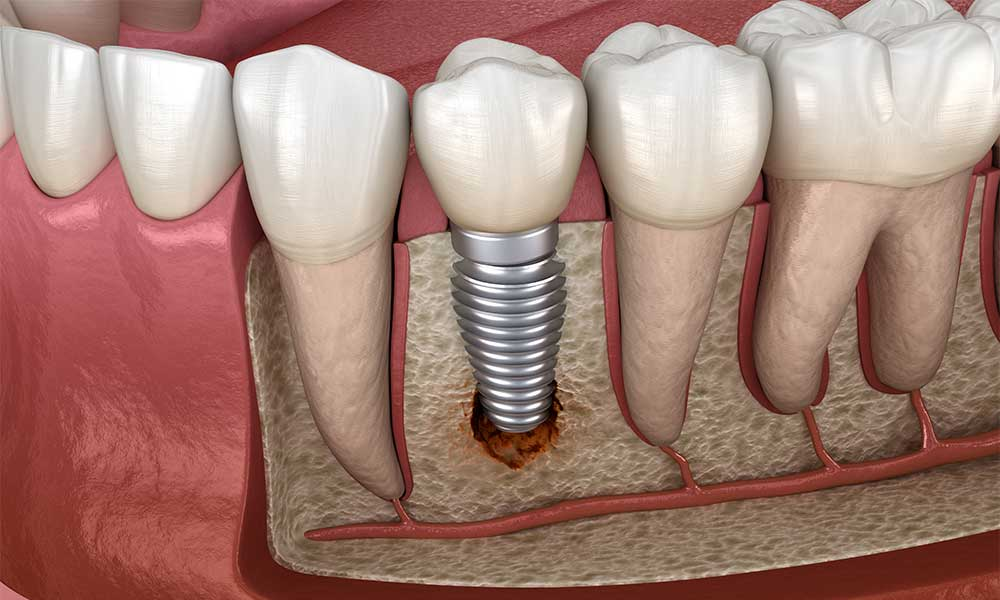
Inflammation and swelling around the implant area are potential red flags for implant failure. Healthy dental implants should not cause chronic gum irritation or bleeding. If the gums appear red, swollen, or if there is tenderness around the implant, it is essential to consult a dental professional promptly. These symptoms can indicate peri-implantitis, a condition characterized by inflammation and infection around the implant. When considering long-term tooth replacement, Those interested in restoring missing teeth can review our information on full mouth dental implants in Oswego for a better understanding of treatment.
Loosening or Shifting of the Implant
A stable dental implant should not move or feel loose. If you notice any movement or shifting of the implant, it is a cause for concern and should be addressed immediately. A loosened implant may indicate a lack of osseointegration (the bonding of implant to the jawbone) or bone loss, potentially leading to implant failure if left unattended.
Changes in Bite Alignment or Discomfort While Chewing
A well-integrated dental implant should provide a strong and functional bite. However, if you experience discomfort while biting or notice changes in your bite alignment, it could be an indication of implant failure. Implant-related issues may cause pain or difficulty while chewing certain foods or result in an uncomfortable bite sensation. Seeking professional evaluation can help identify and address the underlying cause promptly. If you are learning about modern dental solutions, Patients considering modern implant solutions frequently explore Snap-In Dentures procedure before scheduling a consultation.
Persistent Bad Breath or Unpleasant Taste
Unpleasant breath or taste that lingers despite good oral hygiene practices can be a sign of a dental implant problem. Persistent bad breath could be caused by an infection or the presence of bacteria around the implant site. Consulting a dental professional is vital to determine the cause and implement appropriate treatment to safeguard the implant’s integrity.
Conclusion
Dental implants offer patients a reliable and aesthetically pleasing solution for tooth replacement. However, recognizing the signs of potential implant failure is essential for maintaining optimal oral health. Patients should pay close attention to persistent pain, swelling, implant mobility, changes in bite alignment, and unexplained bad breath. Timely intervention by a dental professional can help prevent further complications, preserving the integrity of the implant and ensuring long-term success.
If you suspect any signs of dental implant failure, consult your dentist promptly. Regular dental check-ups and diligent oral hygiene practices can also contribute to the early detection and prevention of potential implant-related issues. Remember, professional guidance is crucial to address implant concerns effectively and restore your smile to its full potential.
Our all-inclusive pricing for implants is very competitive compared to all reliable implant centers in Chicago. We understand the challenges faced to pay for premium quality dental implant care and for the same reason we provide zero percent or minimal interest rates financing to make the process affordable. Schedule a free consultation online today or call us at (331) 257-7999.
After getting a dental implant, most patients expect a smooth recovery, so any unusual feeling around the area can quickly raise concern. Some may notice persistent tenderness when chewing, a sensation of pressure around the implant site, or gums that appear slightly swollen even after healing should have progressed. Others might experience subtle changes like a difference in bite alignment or an unusual taste near the implant area. These small signs often create uncertainty, especially for patients who are not sure what is normal during long-term healing and what could indicate a developing issue.
From a clinical standpoint, early signs of implant complications are often linked to inflammation in the surrounding soft tissue or early disruption of bone stability. Conditions such as peri-implant mucositis can present with redness, bleeding, or mild swelling and may progress if not managed in time. In more advanced cases, peri-implantitis can affect the supporting bone, potentially leading to gradual loosening of the implant. Bite imbalance is another contributing factor, where uneven force distribution places stress on the implant and surrounding structures. Regular monitoring helps identify these changes early, often before significant damage occurs, allowing for less invasive corrective treatment options.
When evaluating these signs, patients should consider both timing and severity before making assumptions about implant failure. Not every discomfort indicates a serious problem, but ignoring persistent symptoms can increase risk over time. Individuals who maintain good oral hygiene and attend follow-up visits are more likely to preserve implant health even if early warning signs appear. A professional assessment is essential to determine whether the issue is reversible, manageable, or requires further intervention, ensuring that treatment decisions are based on accurate diagnosis rather than uncertainty.