
This is David and I am a dental implant educator at Chicago Implant Studio. In this article I will answer one of the common questions I get from patients at the consultation appointment with our implant specialist What greatly increases the risk of implant failure?
When it comes to dental implants, achieving long-term success is crucial. Dental implant failure can be a frustrating and costly setback for both patients and practitioners. Understanding the factors that contribute to implant failure is essential for minimizing risks and ensuring successful outcomes. In this article, we will explore the key factors that greatly increase the risk of implant failure and discuss how you can mitigate these risks.
In This Article
Insufficient Bone Density:
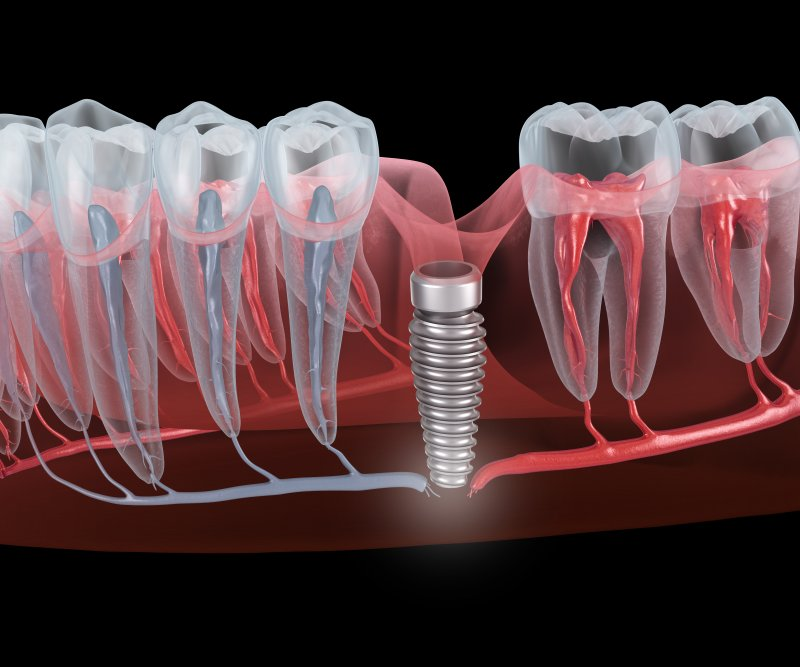
One of the primary factors that can lead to implant failure is inadequate bone density. For dental implants to integrate properly, a solid foundation of healthy bone is necessary. Insufficient bone density can result in poor osseointegration, jeopardizing the long-term stability and success of the implant. Thorough assessment of bone quality through diagnostic imaging techniques, such as cone beam computed tomography (CBCT), is crucial before implant placement.
Poor Oral Hygiene:
Maintaining good oral hygiene practices is not only important for natural teeth but also critical for the success of dental implants. Neglecting proper oral hygiene can lead to the accumulation of plaque and bacteria around the implant site, increasing the risk of infection and peri-implantitis. Regular brushing, flossing, and professional dental cleanings are vital to preserve the health of surrounding tissues and promote implant longevity.
Smoking and Tobacco Use:
Smoking and tobacco use significantly compromise oral health and pose a considerable risk to implant success. Nicotine restricts blood flow, impairs wound healing, and weakens the body’s immune response, making smokers more susceptible to infections and implant failure. If you are a smoker, it is advisable to quit or at least reduce tobacco consumption to enhance the chances of successful implant integration.
Uncontrolled Systemic Diseases:
Certain systemic conditions, such as uncontrolled diabetes, autoimmune disorders, and osteoporosis, can increase the risk of implant failure. These conditions may interfere with proper healing and osseointegration. It is crucial to inform your dentist about any existing medical conditions and work together to manage them effectively to minimize potential risks during the implant treatment.
Incorrect Implant Positioning:
Precise implant placement is essential for achieving optimal functional and aesthetic outcomes. Improper implant positioning can lead to biomechanical complications, occlusal issues, and compromised esthetics. Therefore, it is vital to choose an experienced and skilled implant dentist who meticulously plans and executes the implant placement to ensure proper alignment, distribution of forces, and stability.
Inadequate Treatment Planning:
Comprehensive treatment planning is a cornerstone of successful implant dentistry. Thorough evaluation of the patient’s oral health, diagnostic tests, and analysis of anatomical structures is essential to identify potential risks and determine the most suitable treatment approach. Inadequate treatment planning can result in implant failure due to factors such as inadequate bone quantity, compromised prosthetic outcomes, and implant overload.
Conclusion:
Preventing implant failure requires a comprehensive approach that addresses the various factors that contribute to the risk. By considering aspects such as bone density, oral hygiene, lifestyle choices, systemic health, and proper treatment planning, patients and practitioners can significantly increase the chances of long-term implant success. If you are considering dental implants, consult with a qualified implant dentist who can guide you through the process, minimize risks, and provide you with the best possible outcome. Remember, taking proactive measures and maintaining good oral health habits will greatly contribute to the longevity of your dental implants.
Our all-inclusive pricing for implants is very competitive compared to all reliable implant centers in Chicago. We understand the challenges faced to pay for premium quality dental implant care and for the same reason we provide zero percent or minimal interest rates financing to make the process affordable. Schedule a free consultation online today or call us at (331) 257-7999.