
This is David and I am a dental implant educator at Chicago Implant Studio. One of the things that our patients are curious about at their dental implant consultation session is “Dental Bridge vs Implant”. Our clinic provides detailed information about tooth implants in Aurora IL including procedures, healing time, and benefits.
Understanding Dental Bridges
Dental bridges are fixed prosthetic devices that bridge the gap created by one or more missing teeth. They consist of artificial teeth, known as poetics, supported by adjacent natural teeth or dental implants. Here are some key points to consider:
- Construction and Placement:
- Dental bridges are typically made from materials such as porcelain, porcelain-fused-to-metal, or zirconia, providing durability and a natural appearance.
- The placement of a dental bridge involves shaping the adjacent teeth to act as abutments that support the bridge securely.
- Longevity Factors:
- The lifespan of a dental bridge can vary depending on several factors, including oral hygiene practices, diet, and overall oral health.
- With proper care, dental bridges can last between 10 to 15 years or even longer.
- Regular dental check-ups and maintenance, such as professional cleanings and examinations, contribute to their longevity.
What Are Dental Implants
Dental implants are considered a more advanced and permanent solution for teeth replacement. They involve the surgical placement of a titanium post in the jawbone, which acts as an artificial tooth root. Consider the following details:
- Construction and Placement:
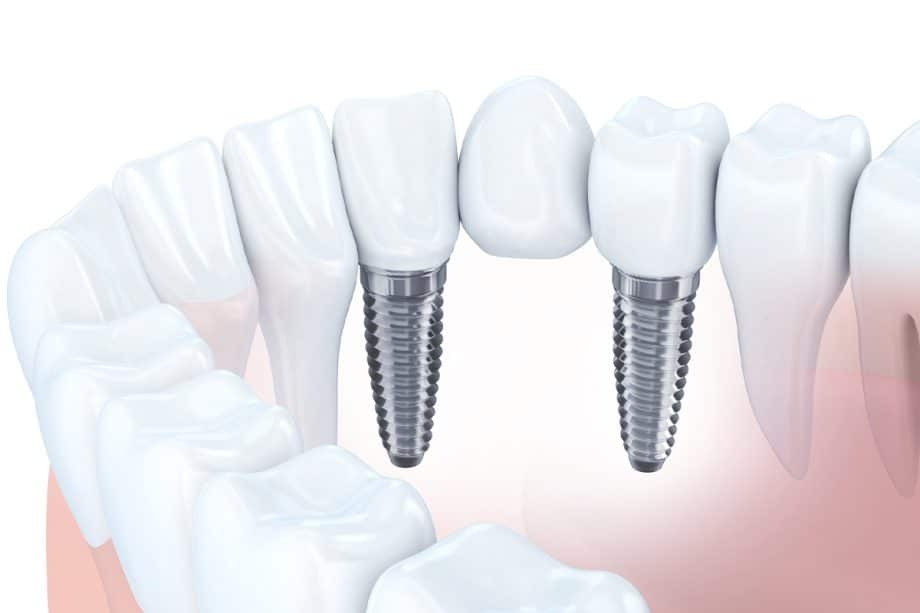
- Dental implants consist of three main components: the implant post, an abutment, and a custom-made dental crown.
- The implant post fuses with the jawbone through a process called osseointegration, providing stability and mimicking the natural tooth root.
- Longevity Factors:
- Dental implants offer exceptional durability and longevity, often lasting a lifetime with proper care and maintenance.
- Good oral hygiene practices, such as regular brushing, flossing, and dental visits, are crucial to maintaining the health of dental implants.
- Factors like smoking, untreated gum disease, and poor oral hygiene can impact the longevity of dental implants. Patients interested in advanced restorative care often explore If you want to learn more about candidacy, recovery, and outcomes, see our guide to tooth implants in Oswego.
Making the Comparison (Dental implant vs Bridge)
When it comes to longevity of dental bridges vs implants, dental implants have a significant advantage over dental bridges. While dental bridges can last a decade or more, dental implants offer the potential for a lifetime solution. Factors such as stability, durability, and the ability to integrate with the jawbone contribute to their extended lifespan.
However, it’s important to note that the longevity of both dental bridges and dental implants heavily relies on proper oral care and maintenance. Regular dental check-ups, professional cleanings, and adhering to good oral hygiene practices are essential for preserving the health of either restoration.
Conclusion:
In the debate between dental implants vs bridge, longevity becomes a crucial factor for many patients seeking a long-term teeth replacement solution. While dental bridges can provide reliable functionality for a decade or more, dental implants offer the potential for a lifetime solution. However, each case is unique, and it’s best to consult with a dental professional who can assess your specific needs and recommend the most suitable option for you. Many patients researching their options find that If you want to understand implant procedures and candidacy, review our information on Snap-In Dentures procedure.
Remember, whether you choose a dental bridge or a dental implant, prioritizing good oral hygiene practices and regular dental care will help ensure the longevity of your teeth replacement and maintain your overall oral health.
Schedule a Free Consultation Today
From single and multiple tooth to full jaw All-on-4 dental implants, Chicago Implant Studio helps patients of all ages enjoy eating, gain their confidence, and smile again. Find out more about dental bridge vs implant on your free consultation session and how dental implants can improve your life and overall health and. Schedule a free consultation online today or call us at (331) 257-7999 to find more about the dental bridge vs implant in your case.
Chicago Implant Studio is a specialty dental implant office that provides Teeth replacement in Aurora, Naperville, Plainfield, Batavia, Joliet, Bolingbrook, Yorkville, Oswego, Montgomery, North Aurora, Illinois (IL).
When patients start comparing the longevity of a dental bridge and an implant, it is usually after experiencing repeated dental repairs or noticing changes in older restorations. Some may already have a bridge that has been in place for years but is now showing wear, sensitivity in supporting teeth, or food trapping underneath. Others are facing a first-time replacement and are trying to understand whether investing in a longer-term solution will reduce future dental procedures. In many cases, the discussion is less about immediate appearance and more about how predictable the restoration will remain over the next decade or longer.
From a clinical perspective, the key difference in lifespan comes from how each option interacts with the mouth’s natural structures. A dental implant is anchored directly into the jawbone, which helps preserve bone and allows the restoration to function independently of surrounding teeth. This reduces stress on adjacent teeth but introduces its own long-term considerations such as gum health around the implant and proper load management. A dental bridge, however, depends on neighboring teeth for support, which means those teeth carry additional force every time the patient chews. Over time, this can increase the likelihood of decay, root stress, or the need for retreatment of the supporting teeth, even if the bridge itself remains intact.
When deciding between the two, candidacy plays a major role in determining long-term success. Patients with strong bone density, healthy gums, and good oral hygiene habits are often better suited for implants due to their durability and bone-preserving advantages. On the other hand, if adjacent teeth already require crowns or have large restorations, a bridge may be a more practical solution. Lifestyle factors such as smoking, grinding habits, and medical conditions like diabetes can also influence longevity outcomes. Ultimately, the “longest-lasting” option is not only about material strength but about how well the treatment fits the patient’s existing oral environment and long-term maintenance capacity.
Many patients considering tooth replacement are balancing more than just appearance—they’re thinking about longevity, comfort, and how their daily habits might be affected over time. Someone who has already experienced a failing bridge may be concerned about repeated dental work, while another patient might hesitate about implants due to the idea of surgery. Lifestyle also plays a role; individuals who grind their teeth, smoke, or have inconsistent oral hygiene routines may notice different outcomes depending on the option they choose. These personal factors often shape expectations around how long a restoration should realistically last.
From a clinical perspective, durability is influenced by how each solution interacts with surrounding structures. Dental implants integrate with the jawbone, which helps preserve bone density and creates a stable foundation that can withstand long-term biting forces. Bridges, on the other hand, rely on adjacent teeth for support, which can place additional stress on those teeth over time. Material selection, bite alignment, and maintenance habits all contribute to how long either option performs effectively. Advances in implant surface technology and digital planning have also improved success rates, making implants a more predictable long-term solution in many cases.
Choosing between a bridge and an implant often comes down to candidacy and priorities rather than a simple “which lasts longer” question. Patients with sufficient bone density and good overall health may benefit more from implants, especially if they want to avoid altering neighboring teeth. However, those seeking a quicker, less invasive option or who have medical limitations might find bridges more suitable. A thorough evaluation, including imaging and a discussion of long-term goals, is essential to determine which approach aligns best with the patient’s oral health and lifestyle.