
Introduction:
This is David and I am a dental implant educator at Chicago I implant Studio. In this article I will answer one of the common questions I get from patients at the consultation appointment with our implant specialist about Who is not a good candidate for dental implants? Patients seeking reliable solutions for missing teeth frequently review our resource on dental implant solutions in Aurora. Patients seeking reliable solutions for missing teeth frequently review our resource on dental implant solutions in Aurora.
Dental implants have become a popular and effective solution for replacing missing teeth, restoring smiles, and improving oral health. However, not everyone is an ideal candidate for dental implants. Certain factors and considerations may deem individuals ineligible for the procedure. In this article, we will explore who may not be suitable candidates for dental implants to help you make informed decisions about your dental treatment.
Insufficient Jawbone Density:
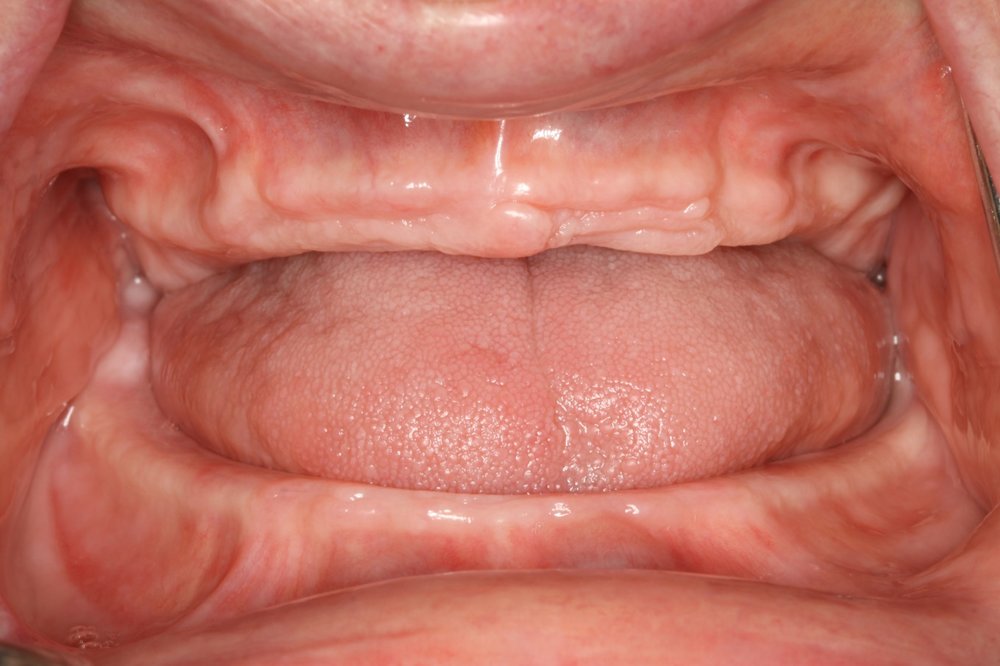
One of the primary requirements for successful dental implant placement is having adequate jawbone density. The dental implant post needs a sturdy foundation to integrate and fuse with the jawbone. Patients who have experienced significant bone loss in the jaw due to periodontal disease, trauma, or prolonged tooth loss may not have enough bone volume to support the implant. In such cases, bone grafting or alternative tooth replacement options may be recommended.
Uncontrolled Systemic Conditions:
Certain systemic conditions can impact the body’s ability to heal and increase the risk of complications during dental implant surgery. Uncontrolled diabetes, autoimmune diseases, hemophilia, and immune system disorders may hinder the healing process and reduce the chances of successful implant integration. It is essential for individuals with these conditions to consult with their healthcare provider and dental professional to determine their candidate for dental implants. For those exploring implant treatment, Patients exploring long-term tooth replacement options can learn more about tooth implants in Oswego and available treatment choices nearby.
Chronic Teeth Grinding (Bruxism):
Patients who suffer from chronic teeth grinding, known as bruxism, may not be suitable candidate for dental implants. The excessive forces exerted during teeth grinding can strain the implant and surrounding structures, leading to implant failure or damage. Prior to undergoing implant surgery, individuals with bruxism should seek appropriate treatment and management strategies to ensure the long-term success of dental implants.
Active Periodontal Disease:
Healthy gums are crucial for the success of dental implants. Active periodontal disease, characterized by gum inflammation, infection, and bone loss, can compromise the stability and longevity of dental implants. Before considering implants, individuals with periodontal disease must undergo appropriate treatment to control the infection and restore gum health. Once the disease is managed, dental implant placement can be considered. For patients researching implant treatment, If you are exploring tooth replacement solutions, our guide to benefits of Snap-In Dentures explains the available treatment options.
Age and Developmental Considerations:
While age alone does not disqualify someone from receiving dental implants, certain developmental factors may affect candidacy. Children and adolescents whose jaws have not fully developed may need to wait until their growth is complete before considering dental implants. Additionally, older adults should undergo a thorough evaluation of their overall health and bone density to ensure they are suitable candidates for dental implant surgery.
Conclusion:
Dental implants offer an excellent tooth replacement option for many individuals; however, not everyone is an ideal candidate for the procedure. Factors such as insufficient jawbone density, uncontrolled systemic conditions, chronic teeth grinding, active periodontal disease, and age-related considerations can impact eligibility for dental implants. If you are unsure whether dental implants are right for you, it is essential to consult with a qualified dental professional who can assess your individual situation and provide personalized guidance.
If you are looking for state-of-the-art single and multiple tooth to full jaw All-on-4 dental implants, schedule a no-obligation free consultation with Chicago Implant Studio dental implant experts. Schedule a free consultation online today or call us at (331) 257-7999.
Not every patient who wants dental implants is immediately ready for the procedure, and this can be difficult to accept—especially for those looking for a permanent solution to missing teeth. Some individuals may have underlying issues such as untreated gum disease, insufficient bone volume, or medical conditions that interfere with healing. Others may simply have lifestyle factors, like inconsistent oral hygiene or heavy smoking, that increase the risk of complications. In these situations, patients are not necessarily excluded forever, but they may need to address certain concerns before moving forward.
From a clinical standpoint, successful implant placement depends on creating a stable and healthy foundation. Conditions like active periodontal infection can compromise the surrounding tissues, while inadequate bone support may prevent proper integration of the implant. Additionally, systemic health factors—such as uncontrolled diabetes or immune disorders—can slow healing and increase the likelihood of failure. Dentists often take a comprehensive approach by recommending preparatory treatments like bone grafting, gum therapy, or medical clearance to improve overall readiness and reduce potential risks.
When evaluating candidacy, it’s important for patients to view the process as flexible rather than restrictive. Being labeled “not a good candidate” often means “not yet,” rather than “never.” With proper guidance and a willingness to follow professional recommendations, many patients can become eligible over time. A thorough consultation helps identify the specific barriers and outlines a clear path forward, allowing individuals to make informed decisions about whether to proceed now, delay treatment, or consider alternative tooth replacement options that better suit their current condition.